Mangbetu
Overview
An ethnographic documentary about the Mangbetu tribe of the Belgian Congo (now the Democratic Republic of the Congo). The film features a discussion of various rites including the Mangbetu practice of head binding, as well as various examples of traditional music and dance.
Key Film Crew
Production Stats
You May Also Like
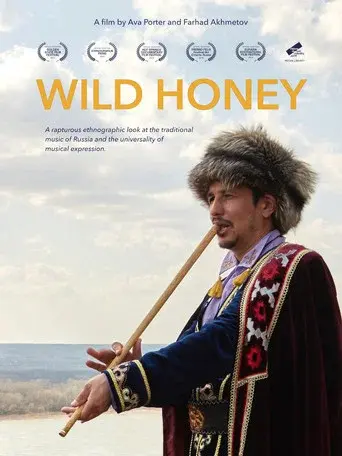

This film is a portrait of unique cultural space for Spirits, Gods and People. While permanent theatres are commonly built in most cosmopolitan modern cities, Hong Kong preserves a unique theatrical architecture, a Chinese tradition that has lasted more than a century - Bamboo Theatre.
Bamboo Theatre

A unique 'direct cinema' feature length documentary (no narration or interviews) originally filmed in the Spring of 1970 and concluded during the Summer of 2017 (footage added, restored, and re-edited). A day in the life of an inner-city Harlem elementary school. In 2018 filmmaker Phil Gries reunited with seven of his former Harlem elementary students whom he hadn't seen in 50 years.
Harlem School 1970

In the fifties, when the future Democratic Republic of Congo was still a Belgian colony, an entire generation of musicians fused traditional African tunes with Afro-Cuban music to create the electrifying Congolese rumba, a style that conquered the entire continent thanks to an infectious rhythm, captivating guitar sounds and smooth vocals.
The Rumba Kings
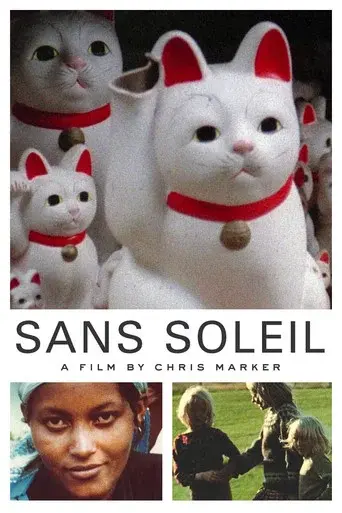
A woman narrates the thoughts of a world traveler, meditations on time and memory expressed in words and images from places as far-flung as Japan, Guinea-Bissau, Iceland, and San Francisco.
Sans Soleil


Feature-length documentary following award-winning wildlife cameraman Vianet Djenguet as he documents a gruelling but vital mission to ‘habituate’ a notoriously protective 450lb silverback, in a last-ditch effort to save the critically endangered eastern lowland gorillas from extinction.
Silverback

This ethnographic short portrays a ritual using masks among the Dogon people of Mali.
Under the Black Masks

A documentary on the experiences of the Nubetya Yaptiks nomadic family in the Yamal Peninsula, Eastern Siberia, from 1992 to 2001.
Mothers of Life
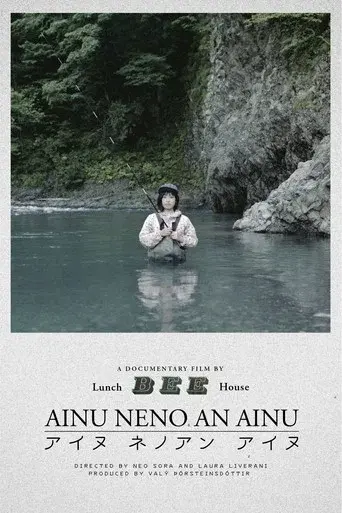
This documentary started as part of a photography project about the indigenous Ainu population in northern Japan, portraying people from tightly knit communities. They feel deeply connected by their culture and tradition. With gorgeous pictures, the directors explore how different generations of Ainu reflect on their identity after centuries of oppression.
Ainu Neno An Ainu

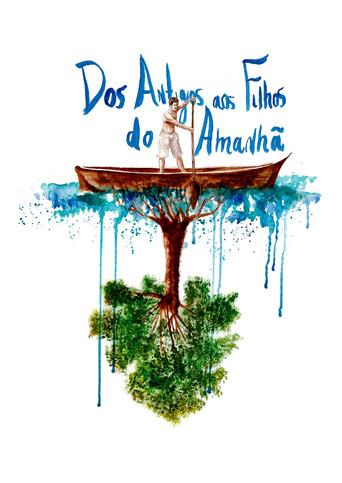

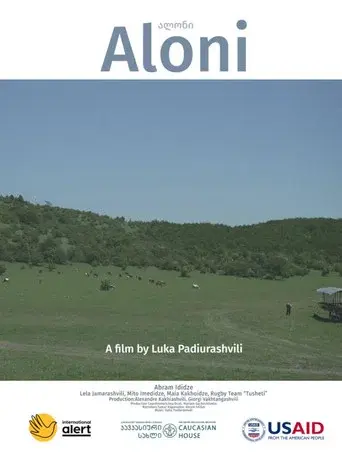
A young student heads back to his village during the COVID-19 lockdown to collect ethnographic material for his thesis, but as quarantine stretches on, the rituals and everyday scenes he records start bringing back childhood memories-leading him to piece the footage together into something more personal.
Aloni
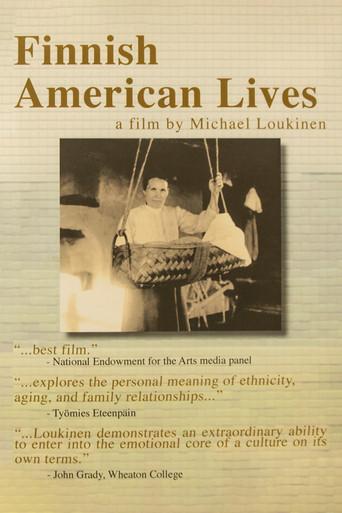
A moving portrait of traditional Finnish American culture in the Upper Peninsula of Michigan, highlighting that fragile community of memory connecting ourselves with parents and grandparents. It uses the “biographical model” of folklore filmmaking to tell the story of Erikki Vourenmaa, a 92-year-old Finnish immigrant, and his family living near Ironwood, Michigan. This three-generation farm family works, celebrates, reflects, and grieves together. The film explores the meaning of family, ethnic history, aging and intergenerational bonds. It contrasts between the immigrant elder, his American-born son and the partially assimilated grandchildren to illustrate change and continuity in the "sauna belt" of the Lake Superior Region. As Dr. Sharon Sherman concluded, “Loukinen’s focus on the bonds between generations will strike emotional chords about family relationships and ethnic identity for numerous cultural groups.”
Finnish American Lives

A group of filmmakers travel to a Kolla community in Salta to film their folkways. We see all aspects of their life: farming, herding, cooking, football, and making music during a Pachamama festival. In the course of filming, the leader of the Kolla community changes the filmmakers' view of what the documentary should be, and at the end of their visit they are changed. "La vida se puede ir amasando, como el barro": As life goes along, it becomes more pliant, like clay. An announcement at the beginning of the film states that this is neither fiction nor documentary, but I'd say it's closer to documentary.