La restanza
Overview
Castiglione d'Otranto, in the South of Italy. A group of thirty-year-olds no longer accept that the solution to the economic, ecological and political problems of the territory is always "to leave". They propose to the villagers who own pieces of uncultivated land, often felt as a burden, to put them in common. They decide to stay, to link their lives to the land and to invest in a value: being together. Castiglione becomes the village of restance. They cultivate ancient seeds and local biodiversity, they make decisions together, they develop a local economy. Accepting the shadows of the past, another potential of the place is rediscovered.
Key Film Crew
Production Stats
You May Also Like
THE PERFUMED GARDEN is an exploration of the myths and realities of sensuality and sexuality in Arab society, a world of taboos and of erotic literature. Through interviews with men and women of all ages, classes, and sexual orientation, the film lifts a corner of the veil that usually shrouds discussion of this subject in the Arab world. Made by an Algerian-French woman director, the film begins by looking at the record of a more permissive history, and ends with the experiences of contemporary lovers from mixed backgrounds. It examines the personal issues raised by the desire for pleasure, amidst societal pressures for chastity and virginity. The film discusses pre-marital sex, courtship and marriage, familial pressures, private vs. public spaces, social taboos (and the desire to break them), and issues of language.
The Perfumed Garden
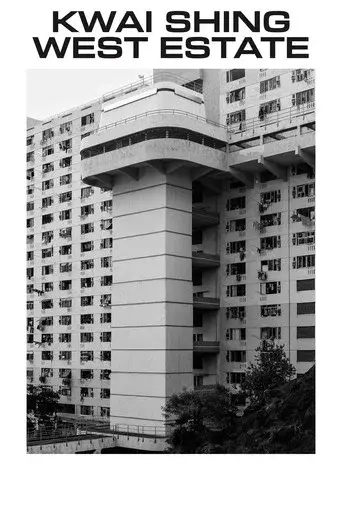
A homage to the social housing architecture that is so atypical of Hong Kong - especially the Kwai Shing West Estate. About half of the population lives in such building complexes, where one experiences a strong sense of loneliness. The neighborhoods are the scene of modern living conditions, but also of social protests, which have been punishable by life imprisonment in Hong Kong since 2020 due to a new law.
Kwai Shing West Estate

Immigrant workers build a shopping mall for the upcoming 1972 Olympic Games in Munich. In 2016, nine people with migrant backgrounds are killed in a racist attack at the same mall.
In retrospect
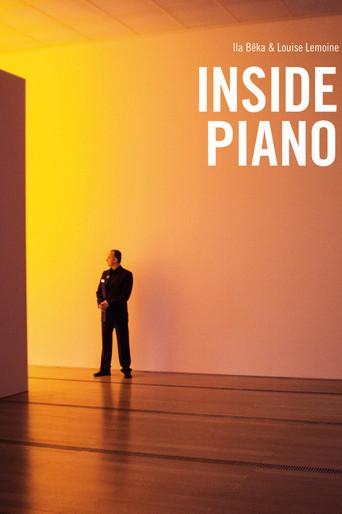
The fifth project of the Living Architectures series, Inside Piano is composed of three films on three symbolic buildings of Renzo Piano's career. A visit throughout the prototype-building of the Centre Pompidou. An immersion in the soundproof world of a submarine floating in the depths of the Parisian underground. A journey aboard a luminous magic carpet of a highly sophisticated architectural machine. A humorous, caustic and quirky point of view.
Inside Piano
Fontelonga is a village of Trás-os-Montes, in the interior of Portugal. A mirror of exile in the eyes of their own people. A reflexion where memory is the last object of beauty and redemption.
Fontelonga

This documentary is about the Byker Community Centre. This centre was built in 1928. During the great depression, it helped a lot for the local people. In modern days, we have plenty of other problems, such as food waste, poverty, and isolation. This centre fights with all of that. Also, it invites all people, despite their disabilities, social groups, age, and gender and provides help and activities. This place is magical and hospitable.
Byker Community

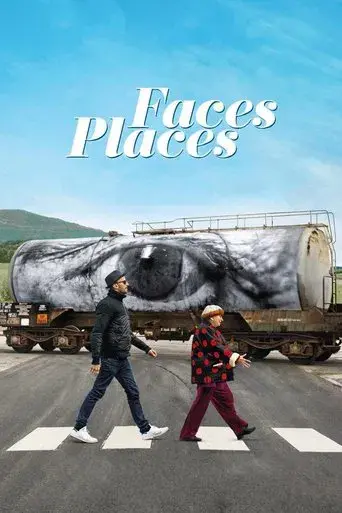
Director Agnès Varda and photographer/muralist JR journey through rural France and form an unlikely friendship.
Faces Places
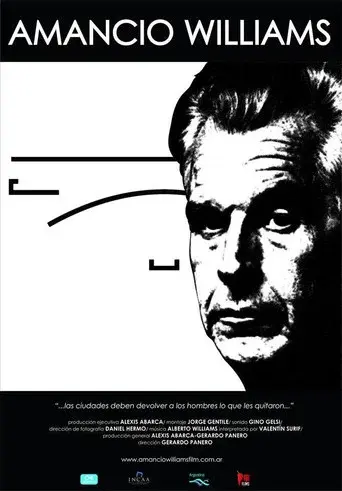
A biography documentary of the Argentine modernist architect Amancio Williams.
Amancio Williams
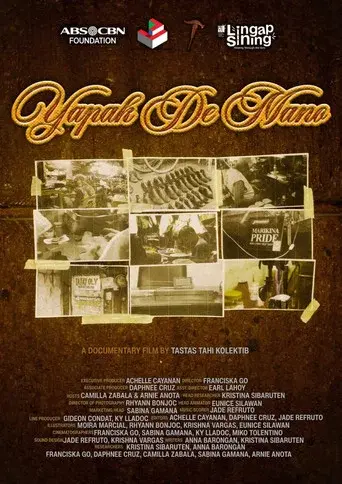
In the narrow streets of Marikina City, where the sound of hammers once echoed endlessly, Soles of Marikina unfolds as a cinematic portrait of craft, struggle, and survival. The film follows aging shoemakers and young apprentices as they work by hand—cutting leather, shaping soles, stitching stories into every pair—while fighting to keep an industry alive in a rapidly changing world.
Yapak de Mano

A short film following Anthony, a young child from the small, rural town of San Antonio de los Baños, Cuba. We see him in different moments of his daily life as he interacts with different forms of environmental, familial, and social influences. While Anthony displays contradictory traits of creativity, destruction, rigidity, and tenderness as he interacts with his external and internal worlds, we see a story built from the the multidimensionality of Anthony's layered personality as a young man.
Pick up the Wind
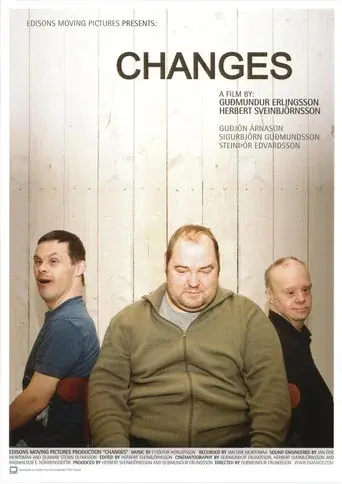
Tímamót, or Changes in English. An upbeat, heartwarming story about Gudjon, Sigurbjorn and Steinthor who lived together for decades along with several other inhabitants in the Tjaldanes Institution, in a peaceful valley close to Reykjavik. When a decision is made to close down the institution, their life takes an unexpected turn and they discover a new side to life and to themselves.
Changes
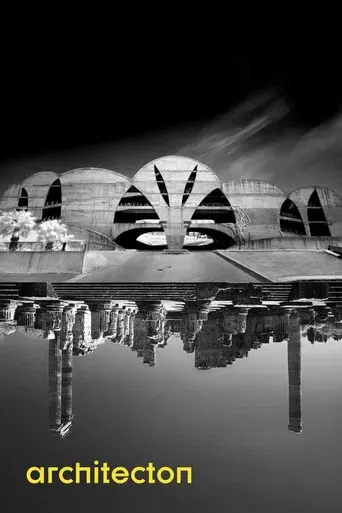
An extraordinary journey through the material that makes up our habitat: concrete and its ancestor, stone. Victor Kossakovsky raises a fundamental question: how do we inhabit the world of tomorrow?