

Salif Keita & Les Ambassadeurs - Jazz Open à Stuttgart
Overview
No overview summary available for this movie.
Top Cast

Salif Keita
Self

N'Doumbé Djengué
Self
Glaucus de Oliveira Xavier
Self
Mokhtar Samba
Self
Souleymane Doumbia
Self
Manu Chambo
Self
Key Film Crew
Production Stats
You May Also Like

In the fifties, when the future Democratic Republic of Congo was still a Belgian colony, an entire generation of musicians fused traditional African tunes with Afro-Cuban music to create the electrifying Congolese rumba, a style that conquered the entire continent thanks to an infectious rhythm, captivating guitar sounds and smooth vocals.
The Rumba Kings
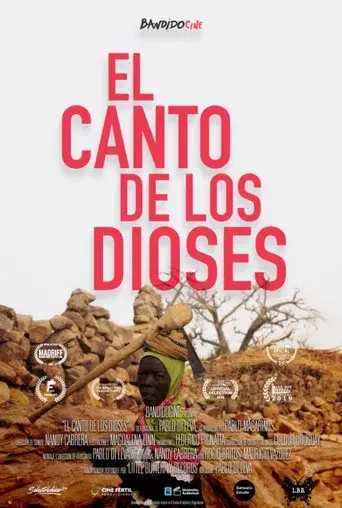
Road documentary that delves into the musical and religious expressions of sub-Saharan Africa. Through Mauritania and Mali, the film documents the lives of Dogon, griots, musicians and instrument makers who, through oral accounts, explain why music plays a fundamental role in the socio-religious organization of peoples. The film culminates its search with the recording of the performance of the traditional Dogon mask dance, in Begnematou, a small village lost in the desert.
El canto de los dioses




This special, behind-the-scenes film takes us on a trip to Mali to witness Amadou & Mariam at home and their musical encounter with legendary artist and producer Manu Chao during the making of their hit album Dimanche à Bamako, The music provides the lifeblood of the film, featuring the hits Sénégal Fast Food and La Realité, popular favourites Coulibaly, M’Bifé and Camions Sauvages plus a rare, unreleased live song by Manu Chao, Kira.
Sunday in Bamako

Thursday 27th of October 2016 – Teatro Espace, Turin. Mulatu Astatke is a musician, composer, arranger and Ethiopia’s cultural ambassador. He’s known as the godfather of ethiojazz, a unique blend of jazz, traditional Ethiopian music, latin, caribbean reggae and afrofunk. Born in 1943 in Jimma, Mulatu studied music not only in Ethiopia but also in UK and USA. In 2005 he contributed to the soundtrack of Jim Jarmusch’s film “Broken Flowers”, reaching a new public worldwide.
The Scientist of Sound

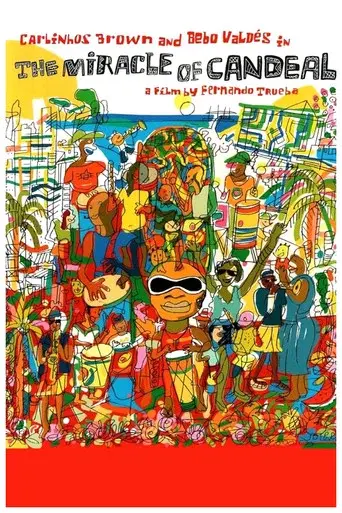
The story of the Candeal favela in Salvador de Bahia, Brazil, where musician Carlinhos Brown carries out social and cultural initiatives that protect and enrich the lives of its inhabitants every day.
The Miracle of Candeal

World première recording of Hannibal Lokumbe's 'spritatorio' Can You Hear God Crying, which combines jazz, gospel and chamber music with West African prayers and songs. The piece, commissioned by Philadelphia philanthropist Carole Haas Gravagno, is about the composer's great-great-grandfather, who was born in the Sahara, kidnapped and enslaved in Liberia, and sold at auction in Charleston, S.C. He escaped to Texas, where he bought land and had a family.
Can You Hear God Crying?


Travel with Major Lazer to Ghana and Nigeria to make the world smaller by making the party bigger. They are collaborating with cutting-edge Afrobeats artists including Mr.Eazi, Efya, Teni, Sarkodie and Amaarae as they explore the culture and history of Africa. Chasing the Sound: Major Lazer, watch now only on YouTube.
Chasing the Sound


How African artists have spread African culture all over the world, especially music, since the harsh years of decolonization, trying to offer a nicer portrait of this amazing continent, historically known for tragic subjects, such as slavery, famine, war and political chaos.
Africa Rising
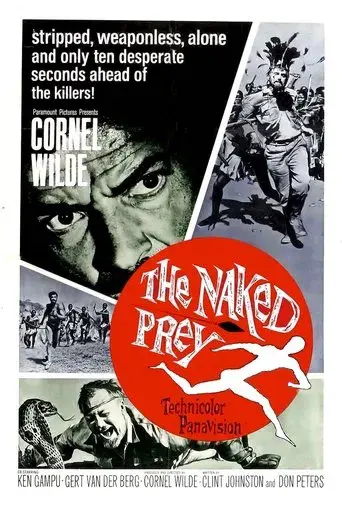
A group of men are on safari. One of the party refuses to give a gift to a tribe they encounter. The tribe is offended, seizes the party, and one-by-one, kills all but one of the safari members in various creative and horrifying ways. The last surviving member is given "The Lion's Chance" by the tribal leader to be hunted down by a party of tribal warriors.
The Naked Prey
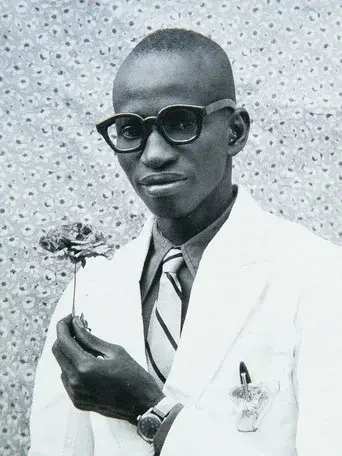
Keïta’s family and other witnesses to his remarkable career share their memories of the photographer and his studio, which he ran from 1948 to 1962. Against the backdrop of Bamako, whose citizens Keïta lovingly immortalized, the film grants rare insight into the artist’s practice and speaks to his photographs’ power as a record of the nation.
Keïta La
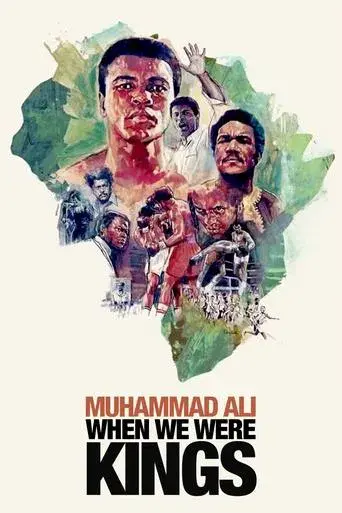
It's 1974. Muhammad Ali is 32 and thought by many to be past his prime. George Foreman is ten years younger and the heavyweight champion of the world. Promoter Don King wants to make a name for himself and offers both fighters five million dollars apiece to fight one another, and when they accept, King has only to come up with the money. He finds a willing backer in Mobutu Sese Suko, the dictator of Zaire, and the "Rumble in the Jungle" is set, including a musical festival featuring some of America's top black performers, like James Brown and B.B. King.
When We Were Kings

Life in the African country of Mali in the 1990s is vividly highlighted in this mild drama. In the story, a young forest ranger who sees that his work holds the key to the future of his country (through reforestation) is disgusted at the short-sighted, money-grubbing ways of his superiors. He has a much better relationship with local villagers than with his agency's bosses. As the movie opens, the villagers are preparing to hold a hunting ceremony but are not sure whether they will do it the old fashioned way, with a bonfire, or will obey a government decree that open fires are too dangerous. There is a lot of sexual teasing between the villagers, including some harmless horseplay. For instance, when a man whispers another woman's name in his sleep, his wife pours water into his ear in revenge.