Overview
A relentless chronicle of the tragedy of the Uighurs, an ethnic minority of some eleven million people who live in the Xinjiang region of northwest China, speak a Turkic language and practice the Muslim religion. The Uighurs suffer brutal cultural and political oppression by Xin Jinping's tyrannical government: torture, disappearances, forced labor, re-education of children and adults, mass sterilizations, extensive surveillance and destruction of historical heritage.
Top Cast

Alexis Victor
Self - Narrator (voice)

Sean Roberts
Self - Anthropologist
Xia Ming
Self - Political Scientist
Shen Dingli
Self - Political Scientist
Christopher Buckley
Self - Journalist
Shohret Hoshur
Self - Uighur Journalist
Adrian Zenz
Self - Anthropologist
Olsi Jazexhi
Self - Journalist
Kelbinur Sidiq
Self - Uzbek Refugee
Omir Bekali
Self - Kazakh Refugee
Tursunay Ziyawudun
Self - Uighur Refugee
Sophie Richardson
Self - Human Rights Activist
Key Film Crew
Production Stats
You May Also Like



In 1937, tens of thousands of Haitians and Dominicans of Haitian descent were exterminated by the Dominican army, on the basis of anti-black racism. Fast-forward to 2013, the Dominican Republic's Supreme Court stripped the citizenship of anyone with Haitian parents, retroactive to 1929, rendering more than 200,000 people stateless. Elena, the young protagonist of the film, and her family stand to lose their legal residency in the Dominican Republic if they don't manage to get their documents in time. Negotiating a mountain of opaque bureaucratic processes and a racist, hostile society around, Elena becomes the face of the struggle to remain in a country built on the labor of her father and forefathers.
Elena
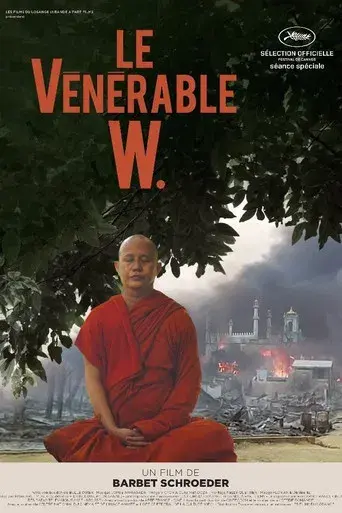
A view of the religious tensions between Muslims and Buddhist through the portrait of the Buddhist monk Ashin Wirathu, leader of anti-Muslim movement in Myanmar.
The Venerable W.
This documentary accompanies the journey of artists who exalt and celebrate ancestry and the orishas in their work. It also offers a manifesto against one of the biggest problems facing Brazil: religious racism. The feature brings together stories from music, theater, fashion, dance and the visual arts to promote reflection on the power and importance of black representation, art and diversity
Tenho Fé
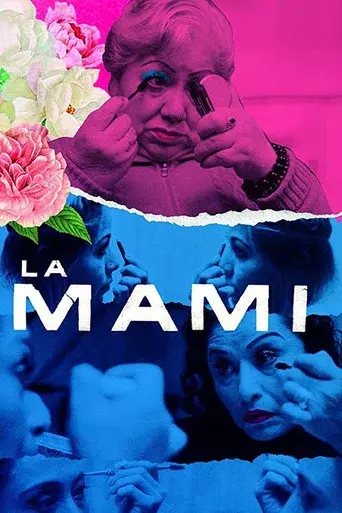
One of the rooms inside the legendary Barba Azul Cabaret has become a shelter for the girls working there: the women's bathroom. Every night La Mami, who's in charge of the bathrooms, offers them the warmth and the advice they need to take on the challenge they face in the dance hall.
La Mami

February 1980, young Abdelkader Lareiche was shot in the head by a building guard in a housing estate in Vitry. In a context marked by several racist crimes and a policy of security repression, his friends are mobilizing around the “Rock Against Police” movement. Forty years after the events, Philomène sets out to meet the activists and actors of this movement. “Memory is not commemoration, it is the living part of History” confides Mounsi about the massacre of October 17, 1961. This is the heart of Nabil Djedouani’s project, to restore a moment in a living way. of the militant history of the suburbs, registered here in the Rock Against Police movement, but which cannot be restricted to it. A thread stretched from the 1980s to today, which continues to “analyze the collective and murderous unconscious of the French State” and the ways of resisting and revolting.
Rock Against Police
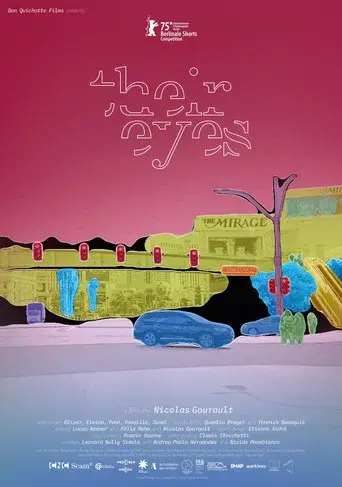
How does a machine learn to read the world? Testimonies and screen recordings introduce the experience of online micro-workers from the Global South: their job is to teach the AI of self-driving cars to navigate the streets of the Global North.
Their Eyes
Filmmaker Alain Resnais documents the atrocities behind the walls of Hitler's concentration camps.
Night and Fog

220 years after its "birth", 40 years after its theft, 22 years after its reappearance and 18 years after its second disappearance, two filmmakers follow the trail of the "unspeakable" Unspunnenstein.
Le syndrome d'Unspunnen
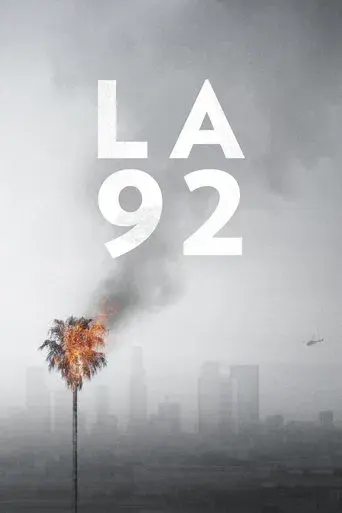
Twenty-five years after the verdict in the Rodney King trial sparked several days of protests, violence and looting in Los Angeles, LA 92 immerses viewers in that tumultuous period through stunning and rarely seen archival footage.
LA 92
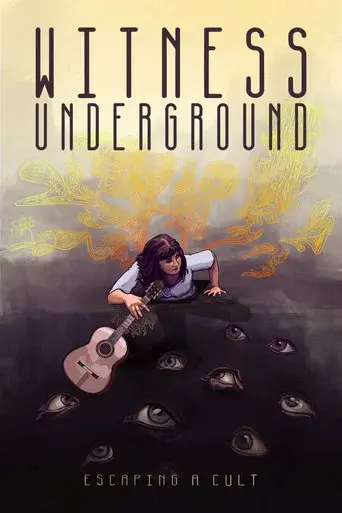
Punk rock, B-movies, and Jehovah’s Witnesses unite in this heartfelt documentary. As members of Jehovah’s Witness start to explore culture outside of their religion, they have to wrestle with the possibility of being excommunicated from friends and family. Featuring in-depth interviews and extensive home video footage, Witness Underground tells the story of punk rocker Witnesses pushing against the highly controlling Jehovah’s Witnesses religion as they build their own community through music and art. This prolific community of Witness musicians create their own record label, Nuclear Gopher, and become early adopters of promoting their music through the internet, including what may have been the first album to ever be livestreamed. This community’s history is well documented through archival footage of their home movies and self-produced music videos, all with a very charming energy.
Witness Underground

Immigrant workers build a shopping mall for the upcoming 1972 Olympic Games in Munich. In 2016, nine people with migrant backgrounds are killed in a racist attack at the same mall.