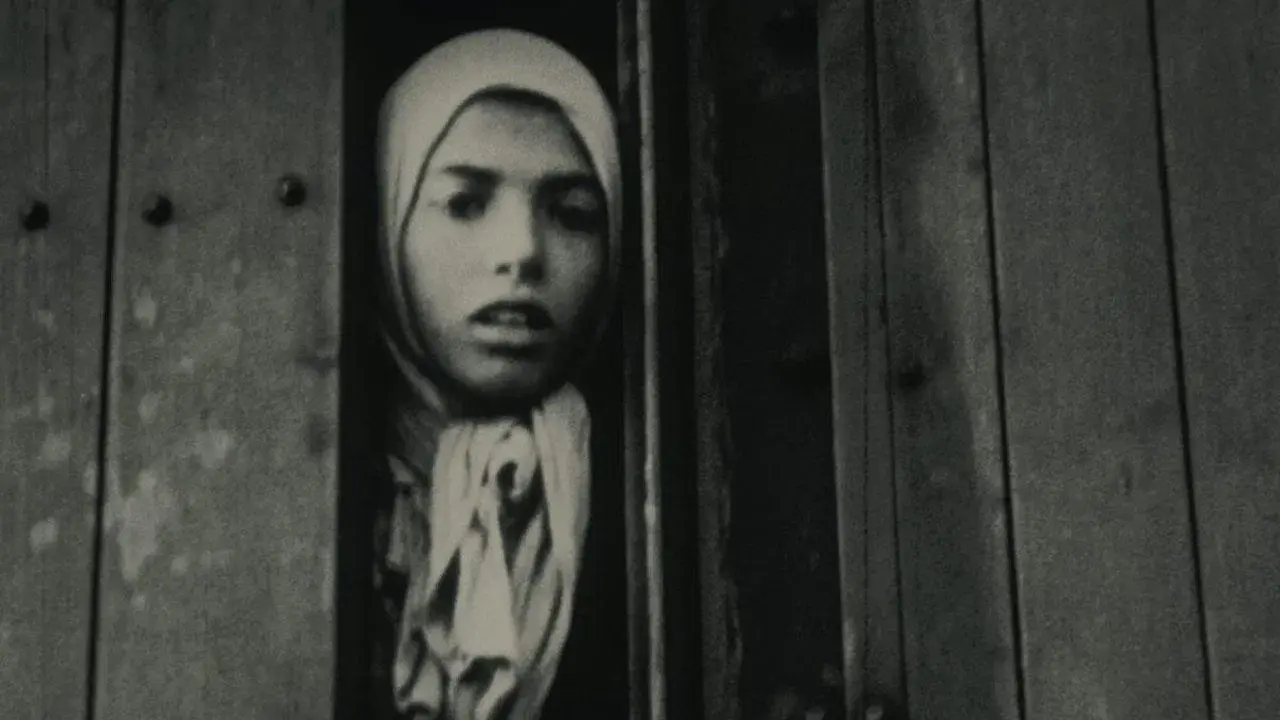

Overview
Filmmaker Alain Resnais documents the atrocities behind the walls of Hitler's concentration camps.
Top Cast

Michel Bouquet
Narrator (voice) (uncredited)

Reinhard Heydrich
Self (archive footage) (uncredited)
Heinrich Himmler
Self (archive footage) (uncredited)
Adolf Hitler
Self (archive footage) (uncredited)
Julius Streicher
Self (archive footage) (uncredited)
Key Film Crew
Production Stats
You May Also Like

In the form of a filmed epistolary conversation, two young, experienced filmmakers discuss film, present and past family, heritage and maternity. The personal and profound reflections—which are embodied in the graceful images taken day-to-day—are suddenly echoed by the political emergency of a country.
Correspondence
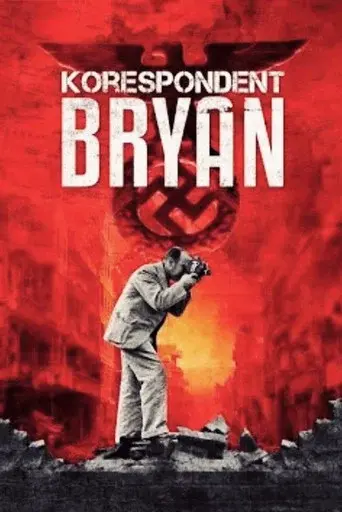
The film is based solely on footage shot in Warsaw in 1939 by Julien Hequembourg Bryan. This American filmmaker and photographer documented life in Poland, the Soviet Union and Nazi Germany between 1935 and 1939. Following the outbreak of the Second World War, he arrived in Warsaw, where he shot a number of films documenting the city under siege, and is said to be the only foreign correspondent in the Polish capital at the time. Bryan also took the first colour photographs of wartime Warsaw.
Korespondent Bryan
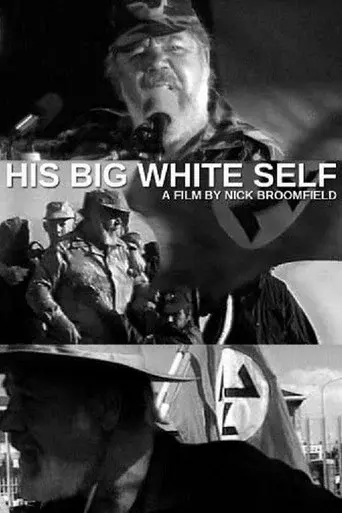
A follow-up to "The Leader, His Driver, and the Driver's Wife", about the history of the far-right group AWB and its leader Eugene Terre'Blanche.
His Big White Self
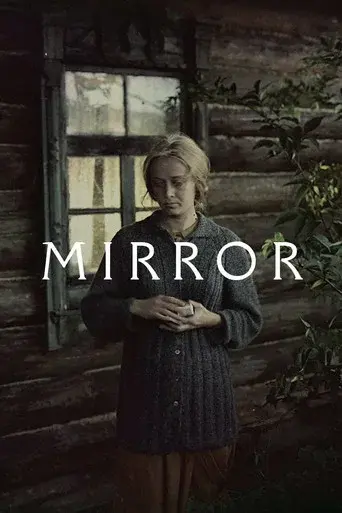
A dying man in his forties recalls his childhood, his mother, the war and personal moments that tell of and juxtapose pivotal moments in Soviet history with daily life.
Mirror
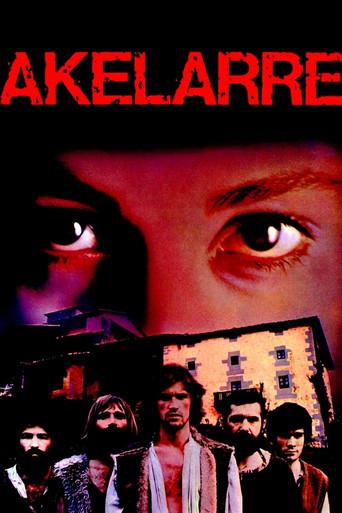
A small village in Navarre, Spain, XVII century. Garazi's grandmother is burned at the stake when accussed of being a witch and convicted by an inquisitor, something that brings Garazi under suspicion and eventually into prison, where she is atrociously tortured and humiliated.
Akelarre
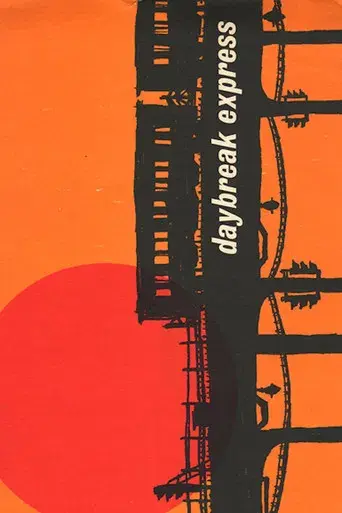
Set to a classic Duke Ellington recording "Daybreak Express", this is a five-minute short of the soon-to-be-demolished Third Avenue elevated subway station in New York City.
Daybreak Express
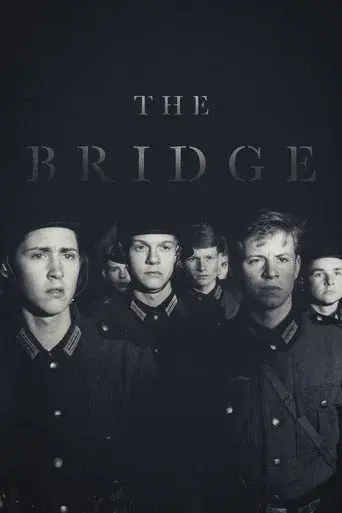
A group of German boys are ordered to protect a small bridge in their home village during the waning months of the second world war. Truckloads of defeated, cynical Wehrmacht soldiers flee the approaching American troops, but the boys, full of enthusiasm for the "blood and honor" Nazi ideology, stay to defend the useless bridge. The film is based on a West German anti-war novel of the same name, written by Gregor Dorfmeister.
The Bridge

The film gives a survey on innate behaviour patterns of the grey-lag goose. The first part shows reproductive behaviour. In the second part some behaviour patterns of gosling being imprinted on their human foster parent are shown: following reaction, separation of two flocks according to their imprinting, response to the alarm call and landing "by order" of the flying young.
Ethologie der Graugans
A portrait of the German city of Ulm and it's social activities, fassades, court building. Also about the role of the district court during National Socialism.