La TV des 70's : Quand Giscard était président
Overview
In May 1974, Valéry Giscard d'Estaing became President of the Republic and wanted to bring about a new era of modernity. One of his first decisions was to break up the ORTF with the creation of three new television channels: TF1, Antenne 2 and FR3. Three new public channels but autonomous and competing. It is a race for the audience which is engaged then, and from now on the channels will make the war! This competition will give birth to a real golden age for television programs, with variety shows in the forefront. The stars of the song are going to invade the living rooms of the French for their biggest pleasure. This unedited documentary tells the story of the metamorphosis of this television of the early 1970s, between freedom of tone, scandals, political intrigues and programs that have become mythical.
Top Cast

Valéry Giscard d'Estaing
Self (archive footage)
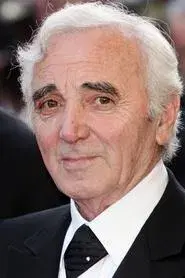
Charles Aznavour
Self (archive footage)

Johnny Hallyday
Self (archive footage)

René Rémond
Self (archive footage)

Jacques Martin
Self (archive footage)

Michel Péricard
Self (archive footage)

Jean-Claude Héberlé
Self (archive footage)

Jean-Claude Brialy
Self (archive footage)
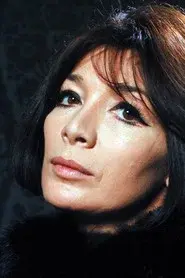
Juliette Gréco
Self (archive footage)

Nicoletta
Self (archive footage)

Patrick Juvet
Self (archive footage)

Jean-Pierre Elkabbach
Self (archive footage)
Key Film Crew
Production Stats
You May Also Like

This documentary is about musician Jang Beom-joon from the band Busker Busker, Superstar K second runner up and hit maker of its 1st and 2nd albums.
Cherry Blossoms, Again

Since September 2022, "Les Rencontres du Papotin" has garnered significant attention, shining a spotlight on the work undertaken by its unique team of journalists—who have autism spectrum disorders—following more than 30 years with the publication *Le Papotin*. From editorial meetings to behind-the-scenes footage, this film offers a close-up look at the daily lives of this extraordinary editorial team. Featuring previously unseen archival footage, the documentary chronicles the initial encounters between the journalists and various prominent figures.
Au cœur du Papotin
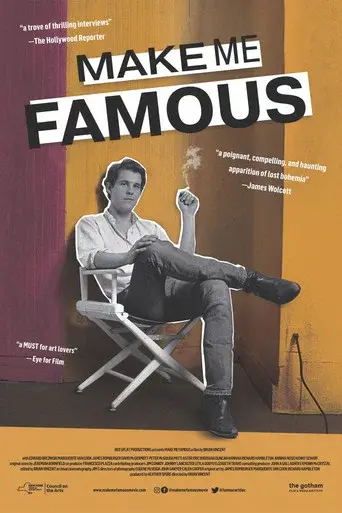
An investigation of Edward Brezinski, an ambitious, charismatic Lower East Side painter hell-bent on sucess, who thwarted his own career with antics that roiled NYC’s art elite. Brezinski’s quest for fame gives an intimate portrait of the art world’s attitude towards success and failure, fame and fortune, notoriety and erasure.
Make Me Famous


An essay film exploring the thirteen United States Presidents that have led the country through war and conflict from 1950 to 2025.
Spartamerika

Inspired by Steven Blush's book "American Hardcore: A tribal history" Paul Rachman's feature documentary debut is a chronicle of the underground hardcore punk years from 1979 to 1986. Interviews and rare live footage from artists such as Black Flag, Bad Brains, Minor Threat, SS Decontrol and the Dead Kennedys.
American Hardcore


Since South and North Korea's liberation in 1945, North Korea, a communist dictatorship that suppresses freedom and oppresses human rights, and South Korea, which has entered the path of economic prosperity and advanced countries based on freedom and democracy, have taken different paths. How did the two countries with the same language, history, and race, become divided into two extreme countries? A work that highlights the sacrifices and struggles of President Syngman Rhee and the first generation of founding members who worked to create and protect today's Republic of Korea over the past 70 years of history.
The Birth of Korea
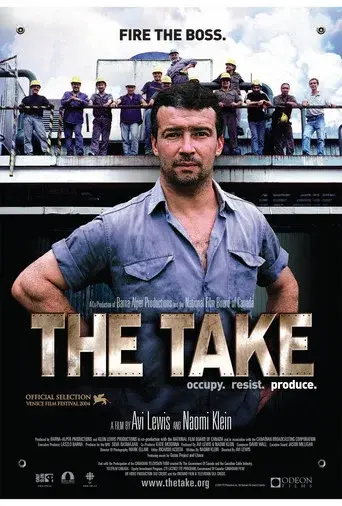
In suburban Buenos Aires, thirty unemployed ceramics workers walk into their idle factory, roll out sleeping mats and refuse to leave. All they want is to re-start the silent machines. But this simple act - the take - has the power to turn the globalization debate on its head. Armed only with slingshots and an abiding faith in shop-floor democracy, the workers face off against the bosses, bankers and a whole system that sees their beloved factories as nothing more than scrap metal for sale.
The Take
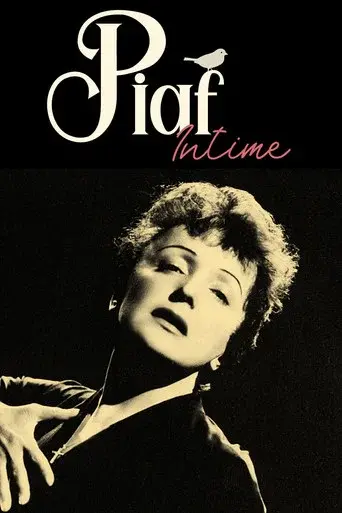

The movie will chart Cole’s journey as musician and quiet revolutionary, navigating racial injustice, Hollywood sabotage and self doubt to ensure his legacy and help pave the way for future generations of artists and Black men and women.
Unforgettable
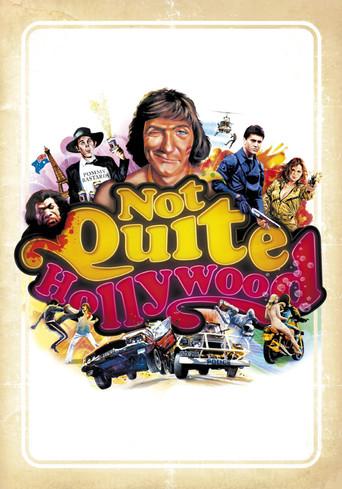
As Australian cinema broke through to international audiences in the 1970s through respected art house films like Peter Weir's "Picnic At Hanging Rock," a new underground of low-budget exploitation filmmakers were turning out considerably less highbrow fare. Documentary filmmaker Mark Hartley explores this unbridled era of sex and violence, complete with clips from some of the scene's most outrageous flicks and interviews with the renegade filmmakers themselves.
Not Quite Hollywood
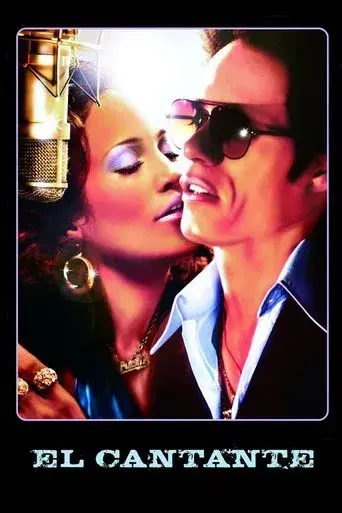
The rise and fall of salsa singer, Héctor Lavoe (1946-1993), as told from the perspective of his wife Puchi, who looks back from 2002.