

Overview
Immediately after liberation, an incident called 'Jeju Uprising' took place on Jeju Island, the Hawaii of Korea, under the control of the US military government. As a result, about one-tenth of the total population of the island at that time was sacrificed. The children who survived the massacre record the memories of that day in an animated film 70 years later.
Key Film Crew
Production Stats
You May Also Like
Following water's flow through the volcanic body of Jeju Island, the film traces resilience across geological, historical, and mythical time. A lone visitor enters a cave where submerged memories—of militarization and exploitation—surface through sound.
The Hydromantic
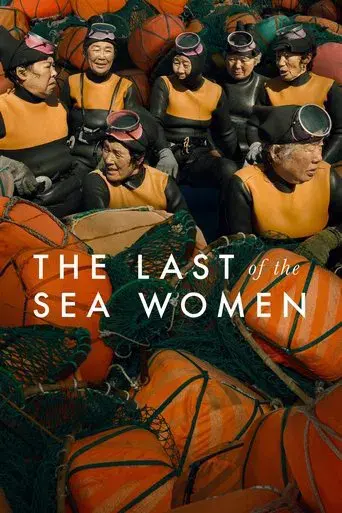

The film shows demonstrations against building the second airport in Jeju Island the performances of environmentalists very closely and in detail, by which it develops a desperate love story.
Map without Island
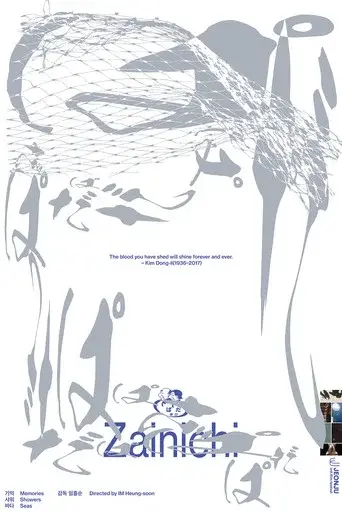
The late Kim Dong-il, a Jeju April 3 refugee in Japan, left behind over 2,000 crocheted items and pieces of clothing that preserved her memories, identity, and history. As the film traces the redistribution of her belongings, it illuminates the still-unhealed lives of various Zainichi Koreans who lived through the same era, sharing and connecting their intertwined memories.
Memories Showers Seas

Focusing on Mrs. Kang Sang-hee’s life, she lost her husband in the Jeju Uprising (March 3rd, 1948). The film views the dark-side of Jeju Island, a huge grave, which is completely opposite of the other side of the island, the famous tourist attraction. It says that the tragedy has been going on about the recent Gang-jeong village situation.
Jeju Prayer

In an abandoned resort on the South Korean island of Jeju, a group of people perform a symbolic funeral ritual to end a world built on hierarchies, division and destruction.
Burial Of This Order

Confronting half of her mother’s life—her mother who had survived the Jeju April 3 Incident—the director tries to scoop out disappearing memories. A tale of family, which carries on from Dear Pyongyang, carving out the cruelty of history, and questioning the precarious existence of the nation-state.
Soup and Ideology

In the turmoil of the Jeju 4.3 incident, Jeju Island witnessed the loss of an estimated 25,000 to 30,000 lives, with women constituting a significant yet often unrecognized proportion of the victims. This documentary illuminates the once-shrouded experiences of these women, led by a dedicated Jeju 4.3 researcher.
Voices
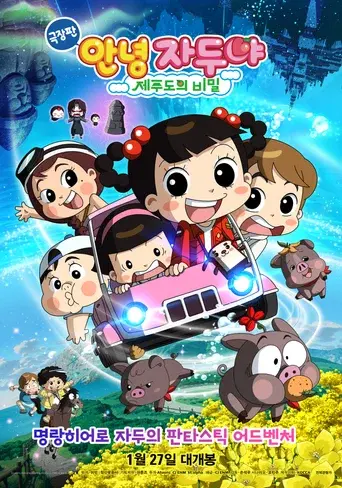


The oral writer of the April 3 Uprising and a Rwandan who came to Korea to study face each other, have a conversation, and then go on a trip hand in hand. The two people, from different generations, nationalities, and occupations, have something in common: they are the daughters of massacre survivors.
April Tragedy
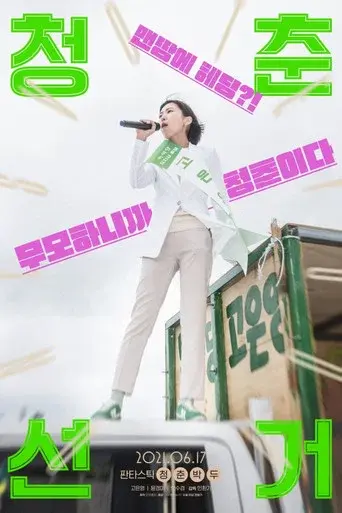

Battling deep depression, Jaeyoun returns to her roots on the island of Marano, South Korea, to visit her family of female free fivers known as haenyeo. To her surprise, she finds a connection to nature and her ancestors that literally saves her life.
Daughter of the Sea
Wan-soon, a 9-year-old girl living on the island, managed to survive a massacre that took place 75 years ago. The lingering effects of this unresolved ordeal are emphasized, and the girl embarks on a journey to depict the vivid red fragments that remain in her memory, using a red colored pencil as her means of expression.
A Red Color Pencil
Mother to daughter. Generation after generation. For over 2000 years, the women of Jeju Island dove deep into the ocean - the refuge that has given them life, shielded them from war and allowed them to educate their daughters. Now they want the tradition to stop. These are The Last Mermaids.
The Last Mermaids

In 1948, a red wave rose. From Yeosu to Busan, the filmmaker traces lives and memories layered along the sea. The Yeosu-Suncheon Incident erupted when soldiers stationed in Yeosu refused orders to suppress the Jeju 4·3 uprising, and many civilians were killed during the Rhee Syngman government's crackdown. After the Korean War began, the government branded National Guidance Alliance members as communists and carried out massacres nationwide. Beyond the killing sites in both cities lies the sea, along which state violence flowed from Yeosu to Busan.