

Overview
Following water's flow through the volcanic body of Jeju Island, the film traces resilience across geological, historical, and mythical time. A lone visitor enters a cave where submerged memories—of militarization and exploitation—surface through sound.
Key Film Crew
Production Stats
You May Also Like

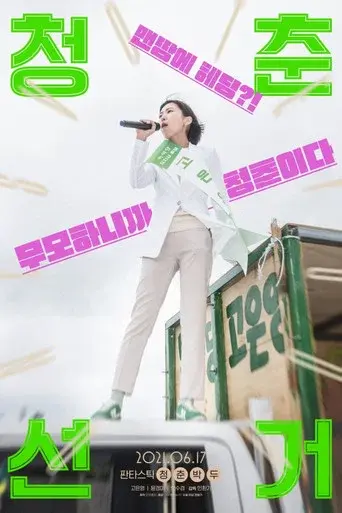
The film shows demonstrations against building the second airport in Jeju Island the performances of environmentalists very closely and in detail, by which it develops a desperate love story.
Map without Island
Immediately after liberation, an incident called 'Jeju Uprising' took place on Jeju Island, the Hawaii of Korea, under the control of the US military government. As a result, about one-tenth of the total population of the island at that time was sacrificed. The children who survived the massacre record the memories of that day in an animated film 70 years later.
May•JEJU•Day

Focusing on Mrs. Kang Sang-hee’s life, she lost her husband in the Jeju Uprising (March 3rd, 1948). The film views the dark-side of Jeju Island, a huge grave, which is completely opposite of the other side of the island, the famous tourist attraction. It says that the tragedy has been going on about the recent Gang-jeong village situation.
Jeju Prayer

In an abandoned resort on the South Korean island of Jeju, a group of people perform a symbolic funeral ritual to end a world built on hierarchies, division and destruction.
Burial Of This Order


Battling deep depression, Jaeyoun returns to her roots on the island of Marano, South Korea, to visit her family of female free fivers known as haenyeo. To her surprise, she finds a connection to nature and her ancestors that literally saves her life.
Daughter of the Sea
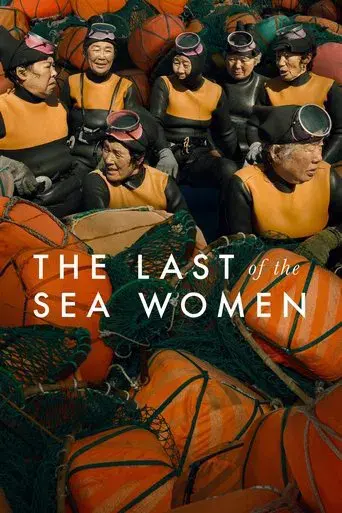
Mother to daughter. Generation after generation. For over 2000 years, the women of Jeju Island dove deep into the ocean - the refuge that has given them life, shielded them from war and allowed them to educate their daughters. Now they want the tradition to stop. These are The Last Mermaids.
The Last Mermaids

Jeju authorities felled about 900 cedar trees on Bijarim-ro for a road expansion project. Citizens exposed the project's flawed environmental impact assessment, leading to its suspension. They continued efforts to protect Seongsan, slated for the second airport, and Bijarim-ro. This documentary follows the journeys of five women involved in this movement.
The Time of Jeju


Jeju-do is the largest of Korean islands and lies between Korea and Japan. There, for hundreds of years, women dive without breathing apparatus, to the ocean floor and collect shellfish, octopus, and urchins that they sell. The divers are in their sixties and seventies and their daughters do not want to inherit their work, lifestyle, and health problems that go with diving. As a filmmaker I was privileged to meet many of these women and dive with them. Their stories of hardship and pride confirmed my desire to record this unique and ancient tradition.
Diving Women of Jeju-do

In the summer of 2021, film students shot a short film titled ‘In the Dry Stream’ on Jeju Island. This film reconstructs the filmmaking process from pre-production through production, utilizing outtakes from the short film, various production materials, and behind-the-scenes footage captured by the crew.
Weeds

Documentary about the struggle of the people of Jeju Island, South Korea. Set in the context of the U.S. presence in Korea after World War II, the film reveals horrible atrocities at the hands of the U.S. Military Government of Korea.
The Ghosts of Jeju

70 years ago, a massacre called ‘Red Hunt’ occurred in Jeju island. Over 6 years, countless lives were murdered in the Daranshi cave, Jungbang waterfall, and Ompang field. There was no line between life and death. There were only ideological and political strategies that surrounded Jeju. After 49 years, survivors can finally testify the memories that could not be forgotten.
Red-Hunt

Seven months pregnant and apprehensive of the effect motherhood would have on her career as a professional freediver, Kimi Werner took a trip to the island of Jeju in South Korea to meet her heroes, the haenyeo – a group of freediving and fishing women often regarded as Korea’s first working mother’s whose culture dates back centuries.