Oscuro brillante
Overview
The life of Mrs. Bertha Sánchez has changed because of a virus that threatens the world. She, locked in her home, adapts to the important change and the challenge that society suffers. She finally finds a balance in her routine between what appears to be a dark reality and a bright learning opportunity.
Key Film Crew
Production Stats
You May Also Like

The film is about the director’s mother, the movie actress Nina Antonova. Now she is 80. She has had hundreds of roles – big and small. It is a personal story about an honest and sad life, about self-sacrifice and freedom. Real fame as an actress came to her only once in her life. It was the leading role in the first Soviet colour TV series Varka’s Land. That was 45 years ago…
The Leading Role
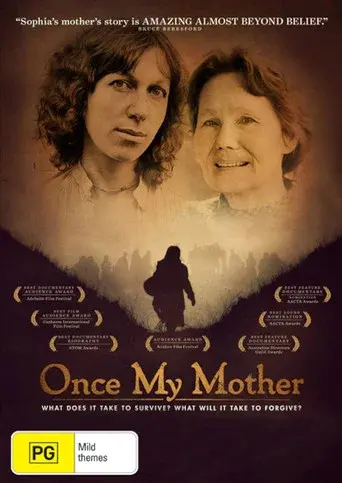
Australian filmmaker Sophia Turkiewicz investigates why her Polish mother abandoned her and uncovers the truth behind her mother's wartime escape from a Siberian gulag, leaving Sophia to confront her own capacity for forgiveness.
Once My Mother

The filmmaker's mother describes stories of his lustful youth over the phone, causing them to reflect on his current love life at the age of 30.
Horny Kid - A film essay
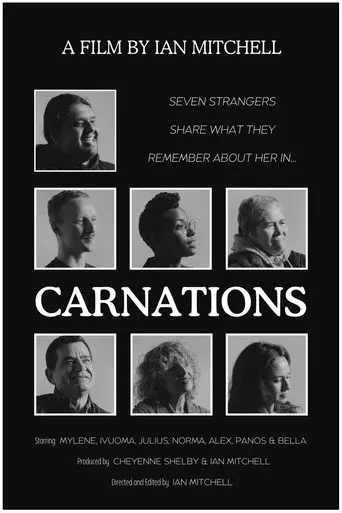
Seven strangers are interviewed to talk about the relationship they have with their mother.
Carnations
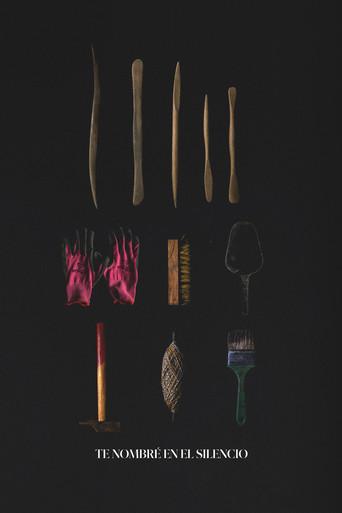
The Rastreadoras de El Fuerte are a group of mothers of disappeared persons in northern Sinaloa who, in the absence of the authorities, twice a week go out with picks and shovels in search of the remains of their children; a testimony of the abandonment of the State, the aggressions of the drug traffickers, the indifference of society and the pain, but also of the strength and courage that keep these women together, and of their empowerment to mobilize society in community organization.
I Named You in Silence


Three people live in Doosan Apartment in Guro-dong. Me, mom, and my grandfather. Even though it has been 12 years since dad died, we are still living under the same roof. I thought it was because of the financial situation that we could not move out of grandfather’s house. But when I found out that mom already had enough money to get a house, I became confused. Why didn’t mom move out from the “x-world” when she could? From a marriage that didn’t work out well, to a father-in-law with a temper. Why has she been enduring it, unchanging, for all the time I had witnessed her life to become a woman against marriage? One day when my anxiousness was at its peak, grandfather suggested that we live separately. Mom, reluctant to leave Guro-dong that she’d been living in for 20 years and her marriage life, will she be able to find herself and move out well?
Welcome to X-world

"My mother is spending all her time with her dying father. I’m spending all my time filming her. As the end is getting closer, my mother and I start doing the filming more and more together. It becomes our way of dealing with the time we have left." —Marius Dybwad Brandrud
After You

"Until one day... when the first shot was fired, everyone had to leave their homes." – In 1975, Ema was awaiting the arrival of her first child, in Angola. However, her tranquility was abruptly interrupted by a force that pulled her from her comfort and changed her life forever.
A Place in Nowhere
A film essay that intertwines the director's gaze with that of her late mother. Beyond exploring mourning and absence as exclusively painful experiences, the film pays tribute to her mother through memories embodied by places and objects that evidence the traces of her existence. The filmmaker asks herself: What does she owe her mother for who she is and how she films? To what extent does her film belong to her?
Deshilando Luz
Artistic director of the National Theater Eric de Vroedt writes and directs a performance about his own mother Winnie, who passed away in 2020. This piece, titled The Century of My Mother, is a family story about the migration from the Dutch East Indies to the Netherlands. It is De Vroedt's way of examining the relationship with his mother and not having to say goodbye to her yet: 'I can let her live on stage, but when the curtain falls, when the play is completely finished, then she is really dead'.
Terwijl het liefde was


François Delisle draws an intimate portrait of his mother in a nursing home. A chronicle of the daily life and medical care of a woman approaching the end, treated with love, respect and dignity.
CHSLD
Tatjana in Motherland is a partly animated documentary essay about Slovenia and its men. It is a “documentary-tale” of how Slovenian society has been disintegrating in an invisible way. The story will unveil a Slovenian Oedipus archetype of the possessive martyr mother type and her relationship with her son, in which she through emotional manipulation, by constantly creating feelings of guilt, burdens her son to such a degree, that he remains dependent on her for the rest of his life. In order to put this relationship to its best use, all Slovenian governing structures have elevated mother figure on the level of a saint and have assigned to it the cultish role. The result of the Slovenian maternal cult is a typical Slovene male, who is pathologically obsessed with his mother.
Tatjana in Motherland

Documentary filmmaker Rebecka Rasmusson becomes pregnant with the man she believes to love, when it turns out that he also has another woman. One evening in front of the TV, Rebecka sees an interview with the 90 year old premier queen Alice Timander who says she never felt loved. Rebecka decides to look her up and together insinuates itself a drama about love, betrayal, being a mother, daughter, and as a woman wearing a dream about making a career.