Invisible Demons
Overview
A prismatic meditation on pollution in the capital of the World’s biggest free-market democracy and the most polluted and populated city, Delhi – a film about the pollution inside of the human mind.
Key Film Crew
Production Stats
You May Also Like

From the vast coastlines of Tamil Nadu, to the arid lands of Rajasthan and the lush greenery of Sikkim, the camera joins local children on the journeys of their daily lives: to and from school, in their classes and after-school play, and doing chores. The children are shy but face the camera directly to talk about their families, their teachers, and their own feelings. Their gazes imply straightforward doubts about the adult world, which the director captures, in taking a sincere look at the meaning of education.
I Wonder...
This documentary uncovers the dark events of 2024, when, for the first time in India’s history, a sitting Chief Minister and an entire political leadership were jailed without evidence.
Unbreakable
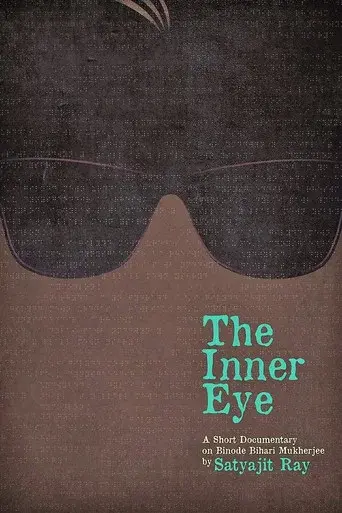
At the age of 54, Binode Bihari Mukherjee, an accomplished painter, lost his sight following an unsuccessful cataract operation. He continued to create art despite his loss of sight. The documentary explores Binode Bihari’s inner eye that guides his fingers to create art.
The Inner Eye
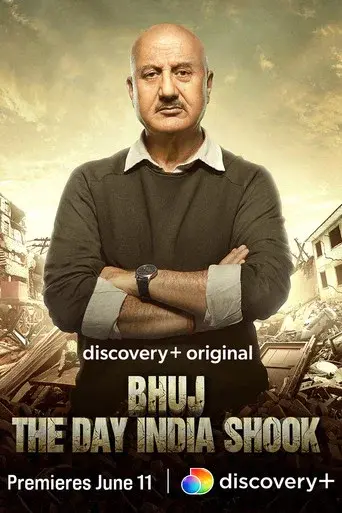

Dancing is a passion of the rich, believes Manish Chauhan , the 21-year-old son of a taxi driver in suburban Mumbai. Yet he, like his friend, 15-year-old Amiruddin Shah daydream of becoming principal ballet dancers in big American companies.
Yeh Ballet
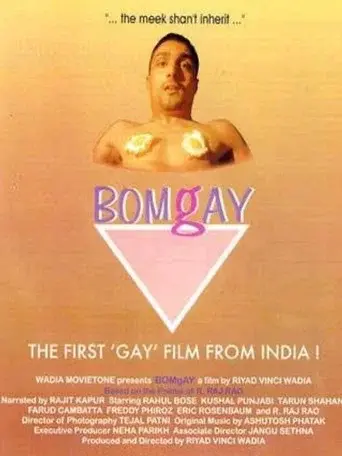
Based on the poetry of R. Raj Rao, Bomgay is a collection of six vignettes that depict the underground and complex nature of the gay identity in urban India. Part Genet, part Bollywood, this film combines acidic verse and insightful imagery to reveal the emerging gay community in the post-liberalized India of the 1990s.
BOMgAY
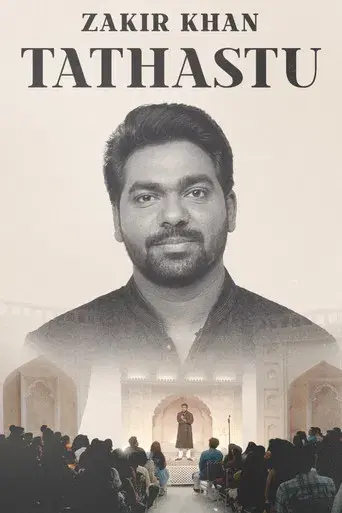
Tathastu starts off with a recap of moments from Zakir's life. Starting from his early school days, the performance is a ride where the audience gets a peek at the family he was born in, the characters he grew closest to and his young years bloated with aspirations of becoming an RJ. He goes onto share a few personal learnings on stage as he tries to make sense of his journey thus far.
Zakir Khan: Tathastu
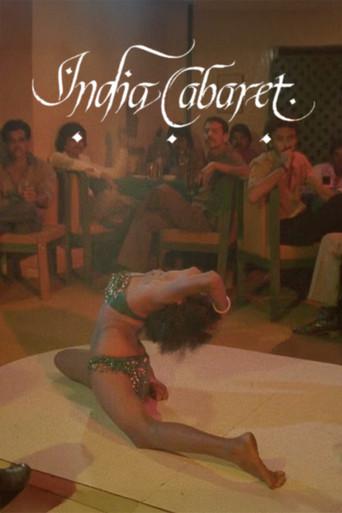
An exploration of the 'respectable' and 'immoral' stereotypes of women in Indian society told from the point of view of two striptease dancers in a Bombay cabaret.
India Cabaret

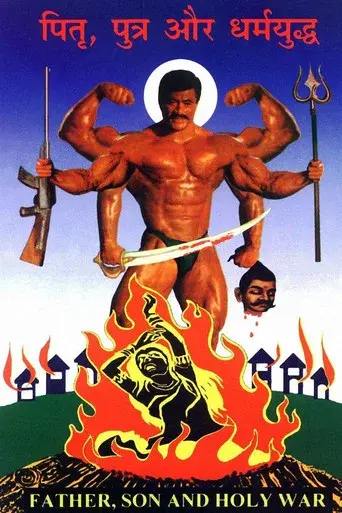
Filmmaker Anand Patwardhan looks to history and psychology as he delves into the possible reasons behind the demolition of the Babri Mosque.
Father, Son and Holy War

The local train is a sight to behold in the morning, overloaded with crowds fighting to get inside. A special compartment reserved for women appears as a temporary oasis – a haven for solitude and contemplation. Director Rebana Liz John questions the women, who reveal what it means to keep ambitions alive within an oppressive patriarchal system. Black and white imagery evocatively captures the details of the women’s experience in this world. They reflect on their lives, across generations, with humour, disappointment and defiance, forming a complex tapestry whose common ground is endurance and survival.
Ladies Only

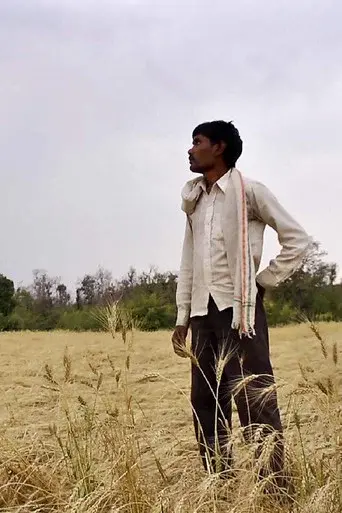
Hailstorm is based in the Narmada valley in central India, an area with extremely low levels of groundwater. Farmers here battle for survival, pitched against the vagaries of climate change. Following the events of a freak hailstorm over four seasons, the film unfolds the vulnerability and precarity of those that are at the sharpest end of global capitalism’s rapacious greed and the furthest from its benefits.
Hailstorm

Indian freedom fighter Gandhiji was killed by Nathuram Godse. But what made Nathuram Godse to take this extreme step?
Why I Killed Gandhi

Family memories and personal art movingly portray author and motivational speaker Aisha Chaudhary's journey with an immune disorder and terminal illness.
Black Sunshine Baby
Though times have changed, Ram still uses old ways of farming due to a drought in the village. His brother, Bala, goes to Bombay to earn his living. Mahadev, a Zamindar in the village, eyes Usha, the lover of Bala. Due to the drought, the crops fail in the village, and Shikh Sahib, a social worker, comes to help the farmers, and shows them new ways of farming. Ramu goes to Bombay to take a loan for cooperative farming and asks Bala to turn back to the village, but he refuses. [The film is a socio-economic study of post-independence India, blending documentary elements with narrative storytelling. The film is often described as a "simple story woven into the documentary design" and features actors like Prithviraj Kapoor and Dev Anand.]
India Is Ours

Anxious, out of work and without access to transport during the nationwide COVID-19 lockdown in 2020, migrant labourers in India’s metropolises decided to walk back home to their villages en masse. As news channels beamed heart-rending silhouettes of millions of men, women and children marching along national highways with their meagre belongings, it became plain that the lockdown had already drafted one of the most traumatic chapters in the nation's modern history.