
Overview
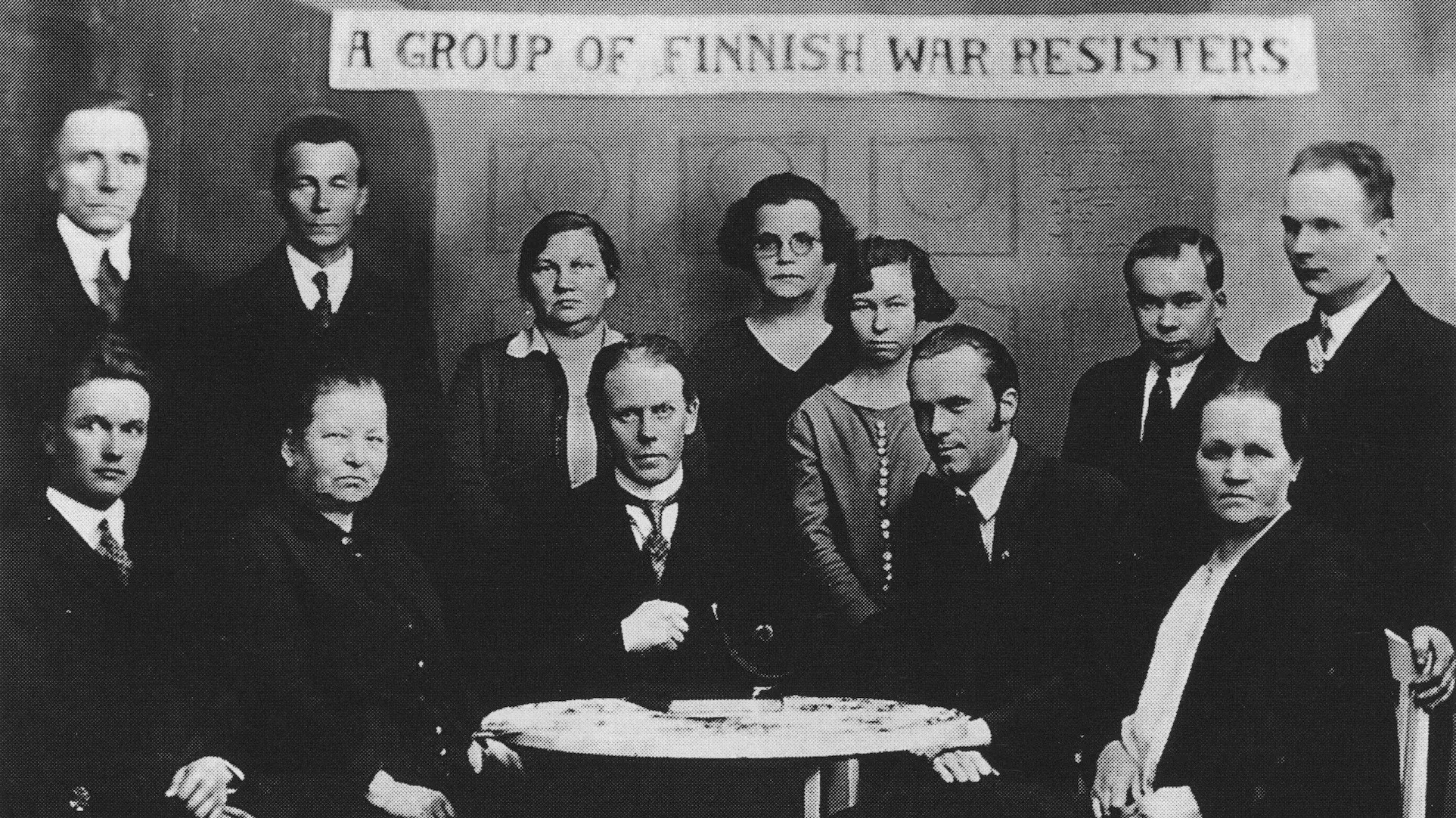
Documentary film about Arndt Pekurinen and the peace movement in the early 20th century. Pekurinen spoke out for pacifism, conscientious objection and peace, and received support for his actions around the world. However, his worldview collided with the nationalist and militaristic atmosphere of the era in Finland. He was considered a troublemaker, a traitor, and a caricature of masculinity. The film is a universal and timeless account of a man persecuted for his opinions. At the same time, it is a description of the weak tolerance of young independent Finland towards dissidents. Pekurinen was executed during the Continuation War by his compatriots on November 5, 1941.
Top Cast

Joonas Saartamo
Arndt Pekurinen (voice)

Elena Leeve
Säde Pekurinen (voice)
Vilma Melasniemi
Aleksandra Pekurinen (voice)

Olavi Uusivirta
Aarne Selinheimo / Aito Alsi (voice)

Lauri Tilkanen
Tauno Tapanainen / Kaarlo Kinnunen (voice)
Hannu-Pekka Björkman
Ilmari Talvitie (voice)
Taisto Oksanen
Freedy Kekäläinen (voice)

Olli Uosukainen
Juho Niukkanen (voice)
Nicholas Wancke
Somerville Hastings (voice)
Key Film Crew
Production Stats
You May Also Like

Between 1954-1962, one hundred to three hundred young French people refused to participate in the Algerian war. These rebels, soldiers or conscripts were non-violent or anti-colonialists. Some took refuge in Switzerland where Swiss citizens came to their aid, while in France they were condemned as traitors to the country. In 1962, a few months after Independence, Villi Hermann went to a region devastated by war near the Algerian-Moroccan border, to help rebuild a school. In 2016 he returned to Algeria and reunited with his former students. He also met French refractories, now living in France or Switzerland.
CHoosing at Twenty


Like all Israeli youth, Atalya is obligated to become a soldier. Unlike most, she questions the practices of her country's military, and becomes determined to challenge this rite of passage. Despite her family's political disagreements and personal concerns, she refuses military duty and is imprisoned for her dissent. Her courage moves those around her to reconsider their own moral positions and personal power. OBJECTOR follows Atalya to prison and beyond, offering a unique window into the Israeli-Palestinian conflict from the perspective of a young woman who seeks truth and takes a stand for justice.
Objector

After the end of his 12-year sentence for attempted murder, anarchist activist and war veteran Kenzo Okazaki lays out his vision of an ideal world.
For the Love of God






This film, directed by Dominique GAUTIER, takes the viewer on a worldwide excursion into the history and structure of the Esperanto language, introducing its present-day speakers. The words of these users of the language are reflective of a variety of activities and viewpoints, and in the film they are interwoven so as to reveal bit by bit how the utopia of its initiator, Ludwig ZAMENHOF, is concretised every day.
Esperanto


When a young couple buys a contested home at auction from the U.S. government for $5,400, they become involved in a political and moral battle much larger than what they originally bargained for.
An Act of Conscience
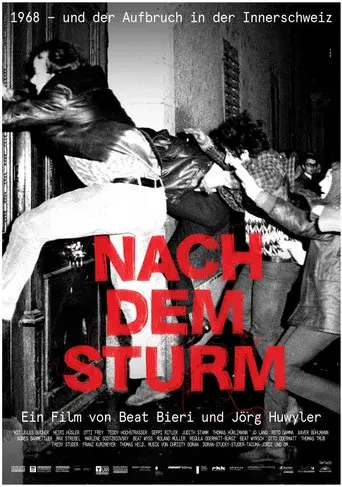
The protests of 1968 had a significant impact on the great cities of the world. But people like to forget that the periphery went through the same social upheavals – Central Switzerland, for example. This is hardly surprising: in the founding cantons of the Old Swiss Confederacy, society followed a strict order; tradition, shaped by centuries of Catholic rule, seemed untouchable. But in the 1960s, the local youth could not take these stifling conditions anymore: starting in 1969, resistance broke out across Central Switzerland.
Nach dem Sturm

An event organised by CND pits the bomb against poetry. Hear artists who hoped that words and rhymes could put an end to destructive times.
Poets Against the Bomb

The history of the citizens' movement that for thirty years worked hard to overcome fear, fight hatred and eradicate the violence exercised by the savage terrorist gang ETA, both in the Basque Country and in the rest of Spain.
Gesto
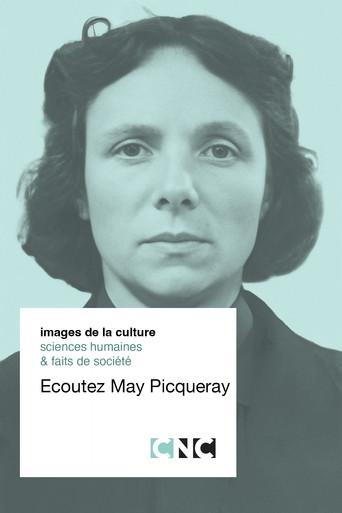
"Well, I believe in anarchy! And I believe it will come true one day." That's what "May the Rebel," a union activist, anti-militarist, and anarchist, always ready to denounce oppression and defend victims, affirms at 85. Born in Brittany, she earned her living at age 10 delivering butter. In Paris, at 20, she became involved with the Anarchist Union. Sébastien Faure became her mentor. She used a grenade to trigger the Sacco-Vanzetti affair. A union delegate in Moscow in 1922, she sang "Hymn to Anarchy" before Trotsky. Children during the Spanish Civil War, Jews during the Second World War, conscientious objectors alongside Louis Lecoin during the Algerian War, and later, through her newspaper Le Réfractaire, the Larzac, Plogoff, and Creys-Malville protests—all these were battlegrounds for May Picqueray. To the very end, she remained true to her commitment to defending peace and individual liberties.