A Failed Peace, The Mistakes of The Treaty of Versailles
Original Title: “LA GUERRE GAGNÉE, LA PAIX PERDUE”
Overview
At the end of WWI, the treaty of Versailles established the conditions for peace in Europe. The aim for the victorious powers was to make Germany pay reparations, and to guarantee a future without war. Yet a decade later, the denunciation of 'Versailles' became a powerful lever for the nazis to obtain power as these reparations would mark the beginning of the humiliation of the German people, and nurture a feeling of having been bestowed a hopeless future. In the 20 years that follow the end of WWI, the issue of reparations and responsibility will effectively poison international relationship. The treaty negative impact goes well beyond WWII as the new European borders it implemented led to many conflicts during the twentieth century. This documentary shines a light on the causality between the decisions taken with the treaty of Versailles, and the ensuing events of the century.
Key Film Crew
Production Stats
You May Also Like

The carnage in Sarajevo provides the focus of this French documentary which seeks to call attention to the terrible conflict in the hopes of finally ending it. The film is divided into five parts. Each part covers a time frame ranging from April 4, 1992, the beginning of the war, to the present. The major issues that occur are three-fold. It depicts the systematic genocide of Bosnians, the silence of Western countries, and the determination of the Bosnians to resist. They refuse to be seen as victims, even though the filmmakers portray them so. Also included are the origins and political aspects of the war. It offers interviews with participants. It also reveals how the U.S. State Department censored reports about Serbian death camps.
Bosnia!

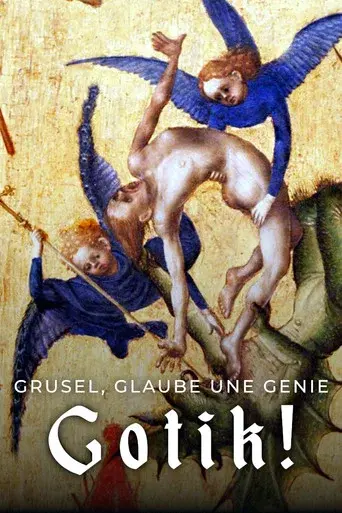
Death and the devil, nudity and eroticism, horror in blazing colours, Gothic art cast a spell over people 500 years ago. In these image-poor times, art deliberately and skilfully played with the emotions of the viewer, triggering fear, devotion, but also rapture. Art documentary on German gothic art of the late-middle ages.
The Genius of Gothic Art


Amateur's Riot (Shirōto no ran) is a Japanese association of activists, committed to the living conditions of the poor people (binbōnin) in Tōkyō. The association was founded in 2005 by Matsumoto Hajime, Yamashita Hikaru, Futatsugi Shin, Mochitsuki Rui and Ogasawara Keita. The protagonists of Shiroto no Ran played an important role in the anti-nuclear demonstrations that appeared in response to the Fukushima nuclear catastrophe.
Amateur's Riot

Since September 2022, "Les Rencontres du Papotin" has garnered significant attention, shining a spotlight on the work undertaken by its unique team of journalists—who have autism spectrum disorders—following more than 30 years with the publication *Le Papotin*. From editorial meetings to behind-the-scenes footage, this film offers a close-up look at the daily lives of this extraordinary editorial team. Featuring previously unseen archival footage, the documentary chronicles the initial encounters between the journalists and various prominent figures.
Au cœur du Papotin

A documentary about the hearings of President Nixon's Commission on Obscenity, featuring adult-film producer David F. Friedman (one of the producers of this film) testifying before Congress, and involved in the production of one of his films, "Trader Hornee."
Red, White and Blue


A documentary about the horrific and destructive war that is currently taking place in Ukraine. The film tells the true stories of Ukrainians who have been forced to flee their homes, lose loved ones, and live in fear for their lives. It is a story about the courage, strength of will, and resilience of the Ukrainian people.
To the Zero Line

NASA's James Webb Space Telescope, from its conception to completion.
Ultimate Space Telescope
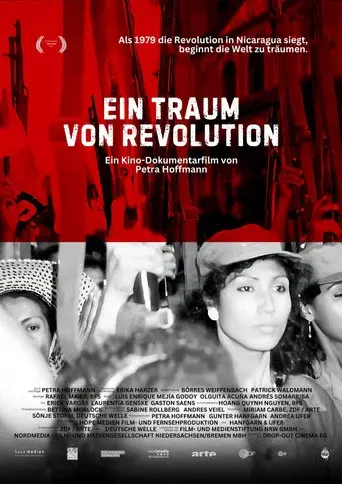
When the revolution in Nicaragua won its victory nearly 40 years ago, the world began to dream. A young generation was taking the reins in a country of grand utopias. From West Germany alone, 15,000 “brigadists” travelled to help rebuild the war-torn country: liberals, greens, unionists, social democrats, leftists and church representatives harvested coffee and cotton, built schools, kindergartens and hospital wards. No movement has mobilised so many people. What became of the hopes and dreams of the revolutionaries and their supporters?