Overview
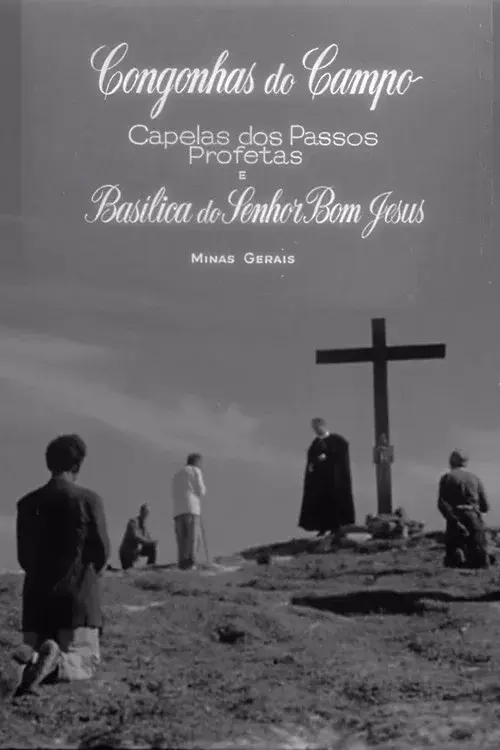
Aspects of the city of Congonhas do Campo. The preponderance of baroque architecture, the Basilica of Senhor Bom Jesus de Matozinho, the six chapels on the terrace leading to Morro do Maranhão. Each chapel contains statues representing moments of the Passion of Christ. While in the first chapel there is Santa Ceia figuration, in the second there is the Passo Horto scene. The kiss of betrayal and the imprisonment of Christ before the scene of the third chapel. In the fourth, two scenes are gathered: the coronation and the flagellation. On the fifth, the Christ bears the cross and the crucifixion is featured in the sixth chapel. The twelve apostles of Aleijadinho and the Latin inscriptions of each one. The interior of the Basilica and its main altar, with the figure of the Lord Dead.
Key Film Crew
Production Stats
You May Also Like


Big Time gets up close with Danish architectural prodigy Bjarke Ingels over a period of six years while he is struggling to complete his largest projects yet, the Manhattan skyscraper W57 and Two World Trade Center.
Big Time

In 1919 an art school opened in Germany that would change the world forever. It was called the Bauhaus. A century later, its radical thinking still shapes our lives today. Bauhaus 100 is the story of Walter Gropius, architect and founder of the Bauhaus, and the teachers and students he gathered to form this influential school. Traumatised by his experiences during the Great War, and determined that technology should never again be used for destruction, Gropius decided to reinvent the way art and design were taught. At the Bauhaus, all the disciplines would come together to create the buildings of the future, and define a new way of living in the modern world.
Bauhaus 100
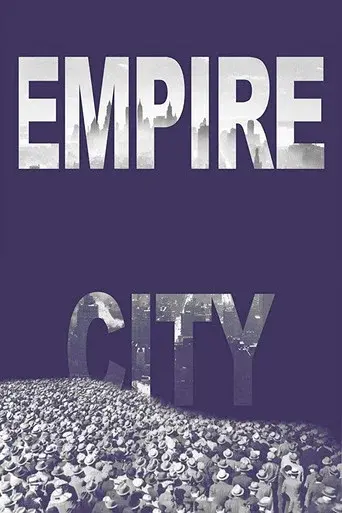
A film essay contrasting the modern metropolis with its "golden age" from 1830-1930, with the participation of some of New York's leading political and cultural figures. Made at a time when the city was experiencing unprecedented real estate development on the one hand and unforeseen displacement of population and deterioration on the other. Empire City is the story of two New Yorks. The film explores the precarious coexistence of the service-based midtown Manhattan corporate headquarters with the peripheral New York of undereducated minorities living in increasing alienation.
Empire City
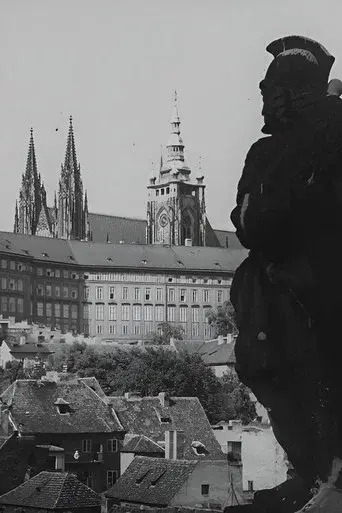
A documentary film comparing current / everyday and historical / noble aspects of Prague.
Noble and Mundane Prague
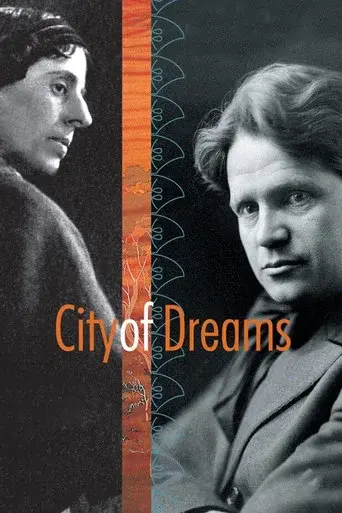
This fascinating documentary explores the collaboration between Marion Mahony, the first registered woman architect in the world and the longest serving designer in Frank Lloyd Wright’s practice, and husband Walter Burley Griffin. Their struggle with unyielding bureaucracy, the philosophies that underscored their life and work, and their passionate commitment to an architecture that expressed a balance between society and the environment and an affinity between the human spirit and the natural world. The film weaves together their personal and professional lives, drawing on archival and contemporary footage of their work, an extensive collection of photographs, the couple’s own correspondance and writing, and interviews with prominent architects, social historians and the people who knew them.
City of Dreams

Catalan architect Antonio Gaudí (1852-1926) designed some of the world's most astonishing buildings, interiors, and parks; Japanese director Hiroshi Teshigahara constructed some of the most aesthetically audacious films ever made. With camera work as bold and sensual as the curves of his subject's organic structures, Teshigahara immortalizes Gaudí on film.
Antonio Gaudí
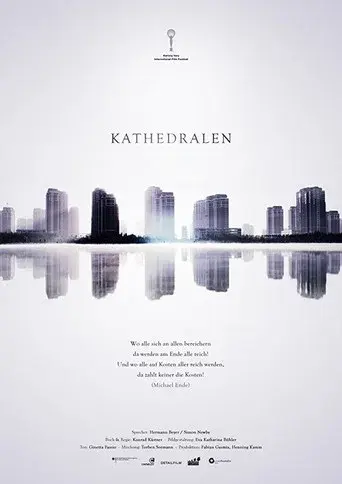
The city of Ordos, in the middle of China, was build for a million people yet remains completely empty. Ordos is not so much a place but a symbol of babylonic hype. But nothing will change - as long as people believe.
Cathedrals
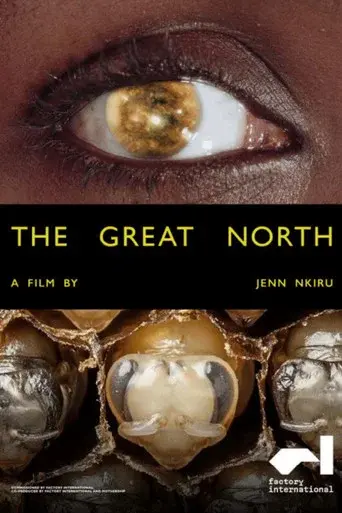
Beginning at the industrial revolution of the ‘great north’, Jenn Nkiru draws lines between peoples, cities, countries, buildings, movements, bodies and spaces(s) using a mixture of archive materials and new footage. There is little stillness as we are pushed and pulled through Black histories and communities across the city of Manchester and beyond. Nkiru has termed this filmmaking process “cosmic archeology”, and it is grounded in Afro-surrealism, experimental film and the Black arts movement.
The Great North

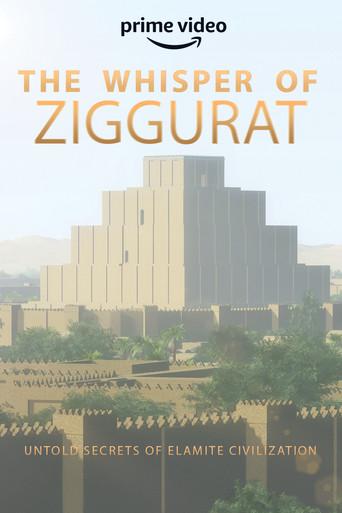

Documentary about the life and work of the architect Paulo Mendes da Rocha, told by him in prominence for Joana, his daughter. With more than 80 years of age, Paulo Mendes is today one of the most important and renowned architects in the world, but, above all, he is a thinker who has controversial ideas and opinions about urbanism, nature, humanity, art and technique deserve to be heard. In a constant dialogue between interviewee / father and interviewer / daughter, Joana is the guiding thread of the film. As in all personal relationships, especially between parents and children, the thread that leads is also that which is conducted.