Overview
Why wheat, one of the staple food of humanity, is becoming a poison for a growing number of people today ? An investigation on the emergence of a new gluten-free products market. And yet, the real cause of this sudden tsunami of grain intolerance remains a mystery. How come all of a sudden, many of us no longer support cereal, highly nutritious in protein? Have recent changes in our eating habits triggered the epidemic? Is wheat not the good old grain we've been eating for 10,000 years? Scientists, activists and committed farmers are trying to uncover the truth on the real qualities of industrial foods.
Key Film Crew
Production Stats
You May Also Like
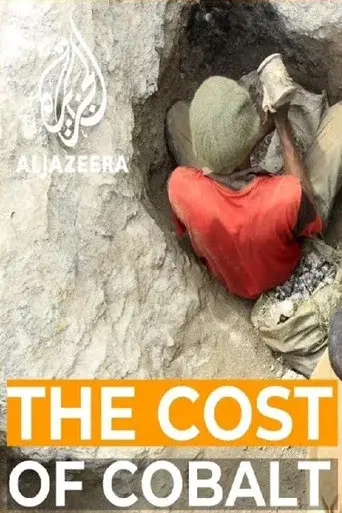
In the cobalt mining areas of Katanga in the Democratic Republic of the Congo (DRC), babies are being born with horrific birth defects. Scientists and doctors are finding increasing evidence of environmental pollution from industrial mining which, they believe, may be the cause of a range of malformations from cleft palate to some so serious the baby is stillborn. More than 60% of the world’s reserves of cobalt are in the DRC and this mineral is essential for the production of electric car batteries, which may be the key to reducing carbon emissions and to slowing climate change. In The Cost of Cobalt we meet the doctors treating the children affected and the scientists who are measuring the pollution. Cobalt may be part of the global solution to climate change, but is it right that Congo’s next generation pay the price with their health? Many are hoping that the more the world understands their plight, the more pressure will be put on the industry here to clean up its act.
The Cost of Cobalt


The last ten years have seen a phenomenal explosion in the organic food movement as it has moved from niche market to mainstream. Today, it is the fastest growing segment of the food industry attracting all of the major food corporations. THE NEW GREEN GIANTS looks at a number of these new and old organic corporations and shows how they are managing, or in some cases, failing to live up to the idealistic dreams first espoused by the back-to-the land folk of the late sixties and early seventies. The documentary also looks at some of the bigger questions surrounding organic food. Is it really healthier? Is it truly organic? Is it possible to grow from a mom-and-pop operation to become a huge supplier of major grocery chains? Is it actually sustainable? Is it realistic to think the world can be fed organically?
The New Green Giants
In Nigeria, a young Canadian doctor serves in a local mission hospital and learns much from the experience. Stationed abroad under the Canadian University Service Overseas Plan, Dr. Alex McMahon and his schoolteacher wife find every day a fresh challenge. An interesting study of intercultural help.
You Don't Back Down

A documentary that exposes the shocking truths behind industrial food production and food wastage, focusing on fishing, livestock and crop farming. A must-see for anyone interested in the true cost of the food on their plate.
We Feed the World

In Ramen Heads, Osamu Tomita, Japan's reigning king of ramen, takes us deep into his world, revealing every single step of his obsessive approach to creating the perfect soup and noodles, and his relentless search for the highest-quality ingredients.
Ramen Heads
Explores the latest longevity research and whether dramatically extended human lifespan is achievable. Features top scientists, startup leaders, celebrities, and critics offering balanced perspectives on this fascinating field.
Longevity Hackers
Sweat, sun, rain, tears, and green thumbs are all part of the challenge for a young couple attempting to become full-time organic farmers in this illuminating doc.
The Organic Life
From the Black Earth is a collaboration between Bristol based company Cables and Cameras, and a local farmer Humphrey Lloyd. Employing both lucid speakers and poetic camera work, the film poses stark questions such as; why does food poverty exist in a nation of plenty, and why are people of colour so under represented not only in our countryside and farms, but in the environmental movement more broadly? By giving a platform to people of colour who are connecting with nature and working the land, this short documentary starts to unpick these questions...
From the Black Earth
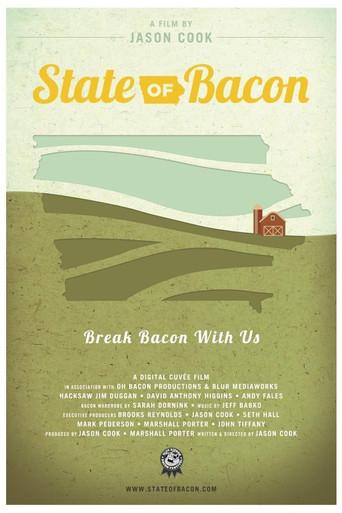
State of Bacon tells the kinda real but mostly fake tale of an oddball group of characters leading up to the annual Blue Ribbon Bacon Festival. Bacon-enthusiasts, Governor Branstad, a bacon queen, Hacksaw Jim Duggan, members of PETA, and an envoy of Icelanders are not excluded from this bacon party and during the course of the film become intertwined with the organizers of the festival to show that bacon diplomacy is not dead.
State of Bacon

Why are so many people wheat-intolerant or sensitive to wheat? And why is wheat linked to so many modern-day health problems, when it has been a staple of the human diet for thousands of years? In this documentary, a nutritionist interviews 14 experts, to understand how wheat has changed since it was first cultivated, how these changes could be affecting human health, and how people can break a dietary cycle that could be making them sick.
What's With Wheat?
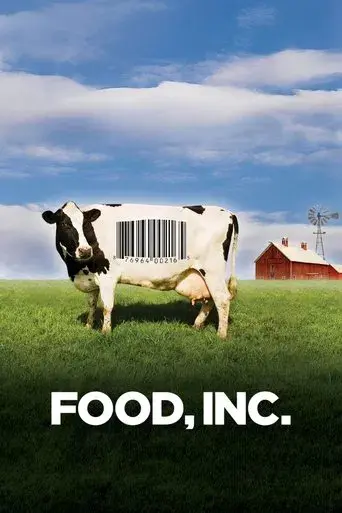
Documentary filmmaker Robert Kenner examines how mammoth corporations have taken over all aspects of the food chain in the United States, from the farms where our food is grown to the chain restaurants and supermarkets where it's sold. Narrated by author and activist Eric Schlosser, the film features interviews with average Americans about their dietary habits, commentary from food experts like Michael Pollan and unsettling footage shot inside large-scale animal processing plants.