

The museum closes when the author is tired
Original Title: “Il museo chiude quando l'autore è stanco”
Overview
A documentary about Fausto Delle Chiaie, an italian artist. He worked in many european countries and spent the last 30 years exhibiting on the streets of Rome creating his own 'Open Air Museum' made of artworks, living sculptures, performances and... a lot of irony.
Top Cast

Fausto Delle Chiaie
Self
Key Film Crew
Production Stats
You May Also Like
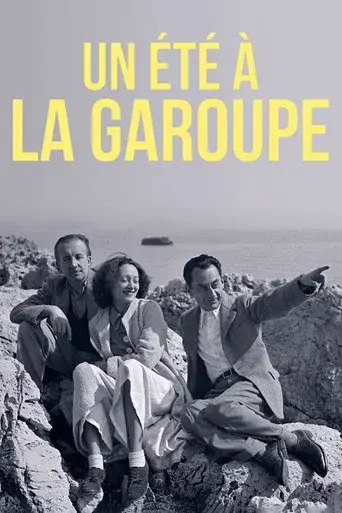
La Garoupe, a beach in Antibes, in 1937. For one summer, the painter and photographer Man Ray films his friends Pablo Picasso, Dora Maar, Paul Eluard and his wife Nusch, as well as Lee Miller. During these few weeks, love, friendship, poetry, photography and painting are still mixed in the carefree and the creativity specific to the artistic movements of the interwar period.
Un été à la Garoupe

A documentary focusing on Polish 60-year-old Henryk Kowalczyk who is deaf-blind and being taught sculpture. Working with clay and other materials is therapeutic light in a world of darkness
The Tower of Babel

Juskatla weaves together perspectives of the people who live on the islands of Haida Gwaii-an archipelago on Canada's Northwest coast, and the ancestral territories of the Haida Nation. From industrial loggers who harvest trees from ancient forests, to Sphenia Jones, a Haida matriarch who bears an intimate knowledge of her People's territories, Juskatla meditates on the divergent ways of being that shape the islands and its people.
Juskatla
Who were the Shakers? This short documentary explores the design, cultural, and spiritual legacy of this utopian religious community
The Shaker Legacy
Sandra rummages in the fragments of her memory and photographs in order to reconstruct the portrait of the life and death of her brother.
Family album

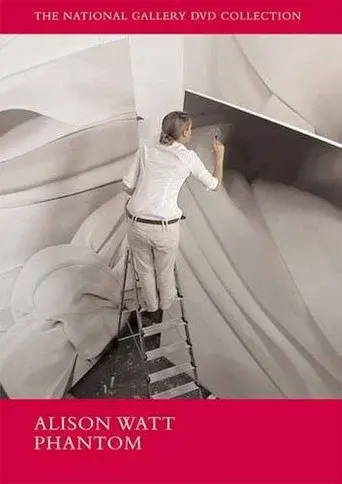
Alison Watt became the National Gallery's Seventh Associate Artist in 2006. This art film records her two-year residency, as she created paintings inspired by masterpieces in the National Gallery. She already had a lifelong attachment to paintings in the collection, yet the prolonged contact, particularly with Saint Francis in Meditation by Francisco de Zurbarán, led her to notice new details and unexpected nuances which influenced her own art. Through a series of interviews with Watt, this art film documents the formation of this exhibition, with particular emphasis on the creative process.
Alison Watt: Phantom

One call for help ignites a nationwide fight to end human trafficking. A Way Out follows Safe House Project as they confront the reality of human trafficking in the United States and build a clear path to safety for survivors. The documentary centers on a simple turning point: a survivor makes a call for help. From there, the film tracks what happens behind the scenes as Safe House Project coordinates a rapid response, connects with survivor advocates, and works alongside law enforcement and trusted partners to move someone from immediate danger toward safety and justice. As the story unfolds, viewers see how a single call can set a nationwide network in motion, and how clarity, coordination, and courage can change the outcome for someone who feels trapped. The film balances the gravity of the issue with a strong sense of hope, showing ordinary people stepping into an extraordinary mission to make a way out. —Clay Vaughan
A Way Out

Destroying your own artwork. For many artists it is unmentionable, but Loes Heebink from Kolderveen irreparably destroyed her artwork "Fluisteraars" herself and came up with the idea for a documentary of the same name, directed by Saskia Jeulink.
Fluisteraars
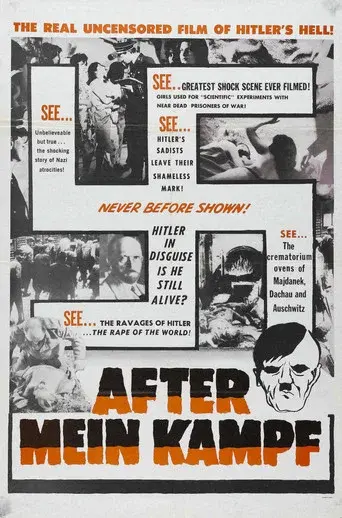
By combining actual footage with reenactments, this film offers both a documentary and fictional account of the life of Adolf Hitler, from his childhood in Vienna, through the rise of the Third Reich, to his final act of suicide in the waning days of WWII. The film also provides considerable, and often shocking, detail of the atrocities enacted by the Nazi regime under Hitler's command.