
Overview
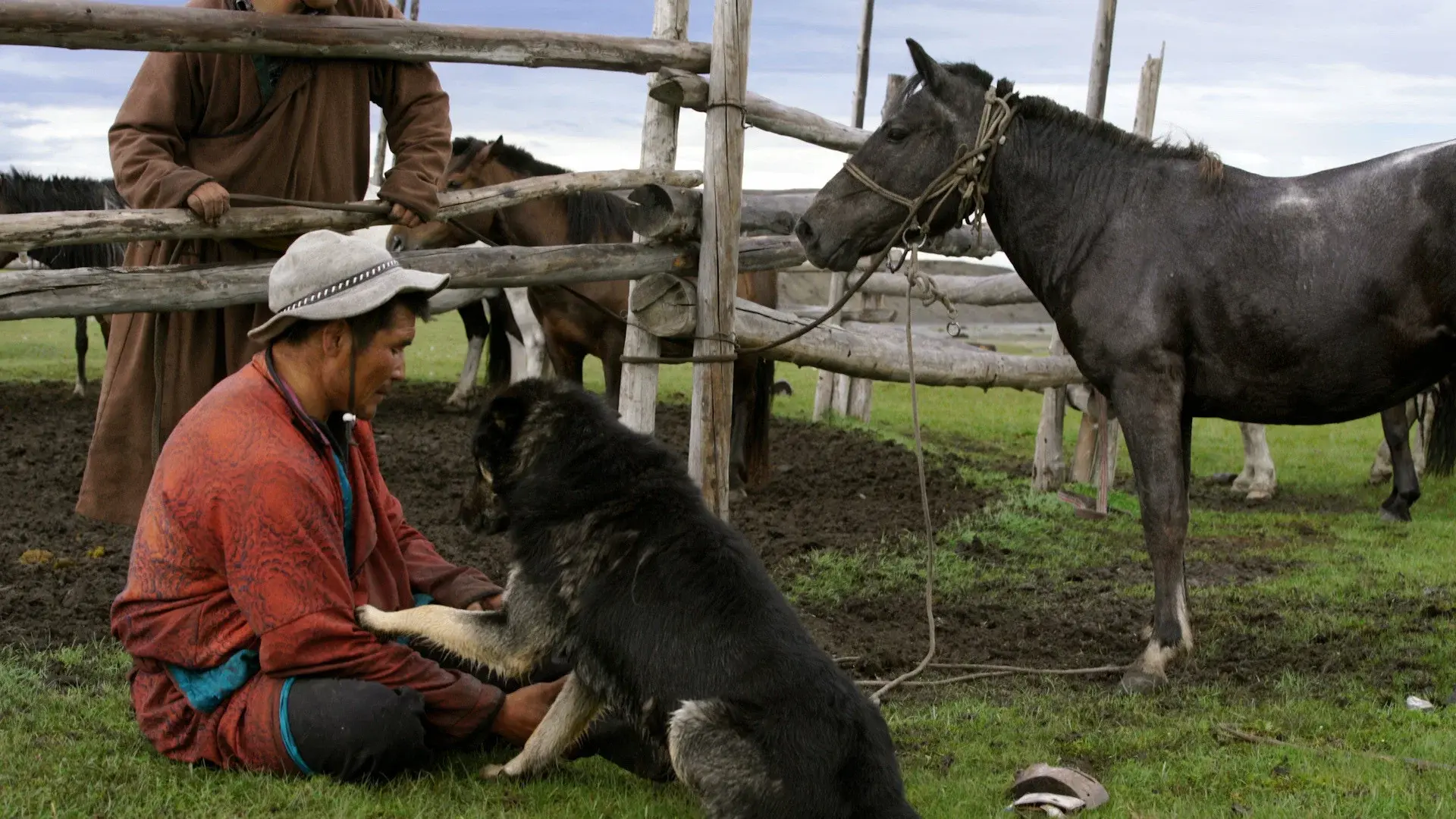
In the Darhat valley in northern Mongolia, the horses of nomadic tribes are stolen by bandits who then sell them to Russian slaughterhouses. Shukhert, a brave horseman, relentlessly pursues them through the Mongolian taiga, bordering Siberia.
Key Film Crew
Production Stats
You May Also Like


In 2021, an extreme heatwave gave rise to huge wildfires in the vast subarctic forests of Sakha, a northeastern republic in Siberia. The village of Shologon lies in this taiga landscape, shrouded in orange smoke and black ash. The forest is burning and the flames are approaching fast.
Paradise

A unique 'direct cinema' feature length documentary (no narration or interviews) originally filmed in the Spring of 1970 and concluded during the Summer of 2017 (footage added, restored, and re-edited). A day in the life of an inner-city Harlem elementary school. In 2018 filmmaker Phil Gries reunited with seven of his former Harlem elementary students whom he hadn't seen in 50 years.
Harlem School 1970

An ethnographic documentary about the Mangbetu tribe of the Belgian Congo (now the Democratic Republic of the Congo). The film features a discussion of various rites including the Mangbetu practice of head binding, as well as various examples of traditional music and dance.
Mangbetu


Really strange documentary of Wheeler Dixon production quality on the Tunguska Event and the possibility of it happening again causing an apocalypse (basically a meteor scare film) sprinkled with UFO conspiracy kooks, and other 'professionals', riddled with stock footage of all kinds, freaky moog music and sound fx, a Dr. Who rip-off end theme, Victor Buono as Homer the Archivist, a philosophical history recorder in a space ship with a HAL 9000 type talking computer named Ino, there's also another space ship with Egyptian looking aliens girls with pasties and see-thru blouses.
Target... Earth?
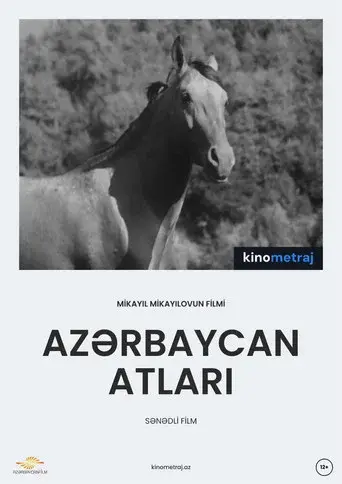
The film is about the breeding of the famous Karabakh horses at the Aghdam equestrian factory.
Azerbaijani Horses
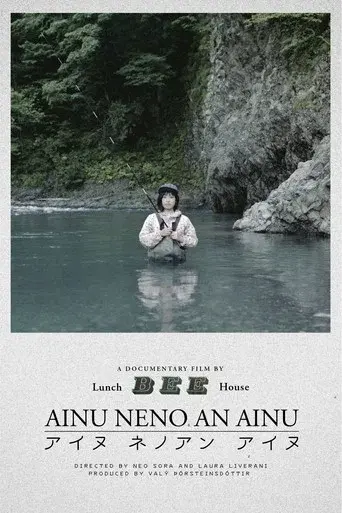
This documentary started as part of a photography project about the indigenous Ainu population in northern Japan, portraying people from tightly knit communities. They feel deeply connected by their culture and tradition. With gorgeous pictures, the directors explore how different generations of Ainu reflect on their identity after centuries of oppression.
Ainu Neno An Ainu
A documentary of the life of camel herders and the culture of adopting an orphan camel by "seducing" a mother-camel through a morin khuur (a horse fiddle) melody.
Melody for the Camel
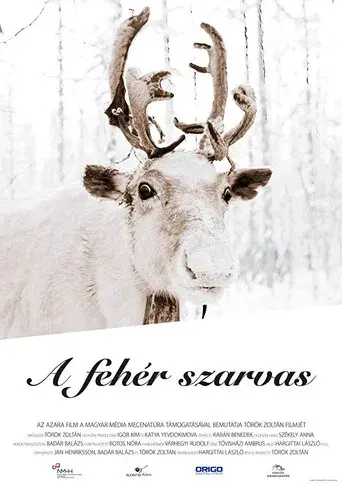
Imagine one of the most remote wildernesses in the world. Granddaughter Masha and Vladimir, the protagonists of this story from Central Siberia try the impossible to keep their nomadic traditions alive.
The White Reindeer

Captured by the Red Army during World War II, Hungarian soldier András Toma was admitted to a Soviet psychiatric hospital. After disappearing from prisoner-of-war records, he was presumed dead in Hungary. Because his name was incorrectly recorded in medical documents and he spoke only Hungarian—mistaken by staff for incoherent speech—Toma spent decades misunderstood and isolated in the institution. Fifty-three years later, a visiting Slovak doctor recognised his language, triggering an investigation by Hungarian authorities. Toma was repatriated in 2000, believed to be the last prisoner of war from World War II to return home.
The Forgotten Soldier
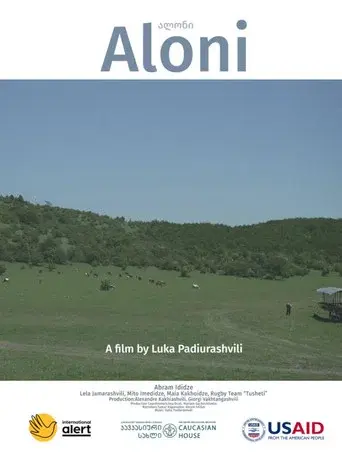
A young student heads back to his village during the COVID-19 lockdown to collect ethnographic material for his thesis, but as quarantine stretches on, the rituals and everyday scenes he records start bringing back childhood memories-leading him to piece the footage together into something more personal.
Aloni

A group of filmmakers travel to a Kolla community in Salta to film their folkways. We see all aspects of their life: farming, herding, cooking, football, and making music during a Pachamama festival. In the course of filming, the leader of the Kolla community changes the filmmakers' view of what the documentary should be, and at the end of their visit they are changed. "La vida se puede ir amasando, como el barro": As life goes along, it becomes more pliant, like clay. An announcement at the beginning of the film states that this is neither fiction nor documentary, but I'd say it's closer to documentary.
Hombres de barro
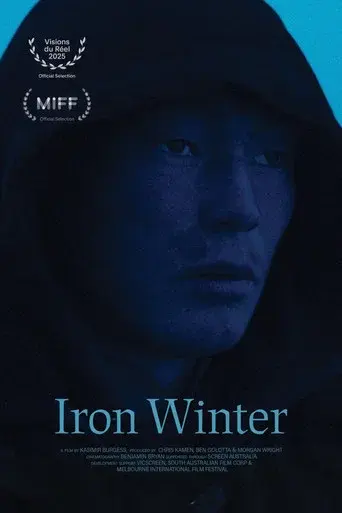
Iron Winter follows two young Mongolian horse herders who battle extreme winter cold to protect an ancient tradition that risks being lost forever. Set in the Tsakhir Valley of the Arkhangai province, one of the world's harshest human-inhabited environments, the film captures the herders' 150-day struggle to lead thousands of horses into the high country in search of edible grass hidden under the snow.