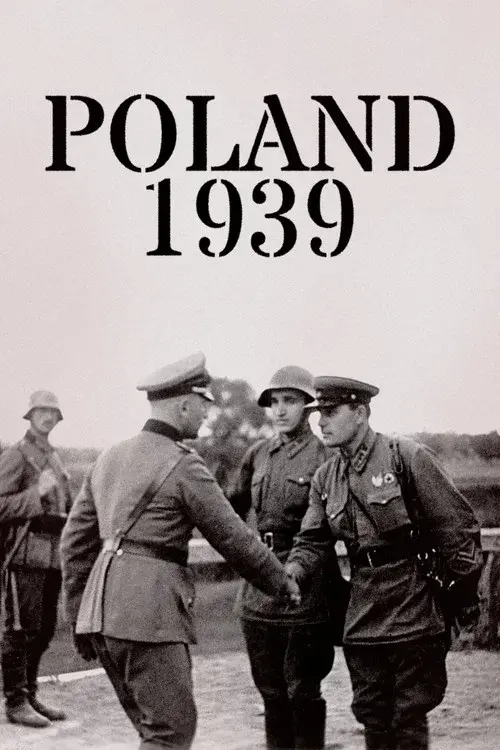
Poland 1939: When German Soldiers Became War Criminals
Original Title: “Polen 39: Wie deutsche Soldaten zu Mördern wurden”
Overview
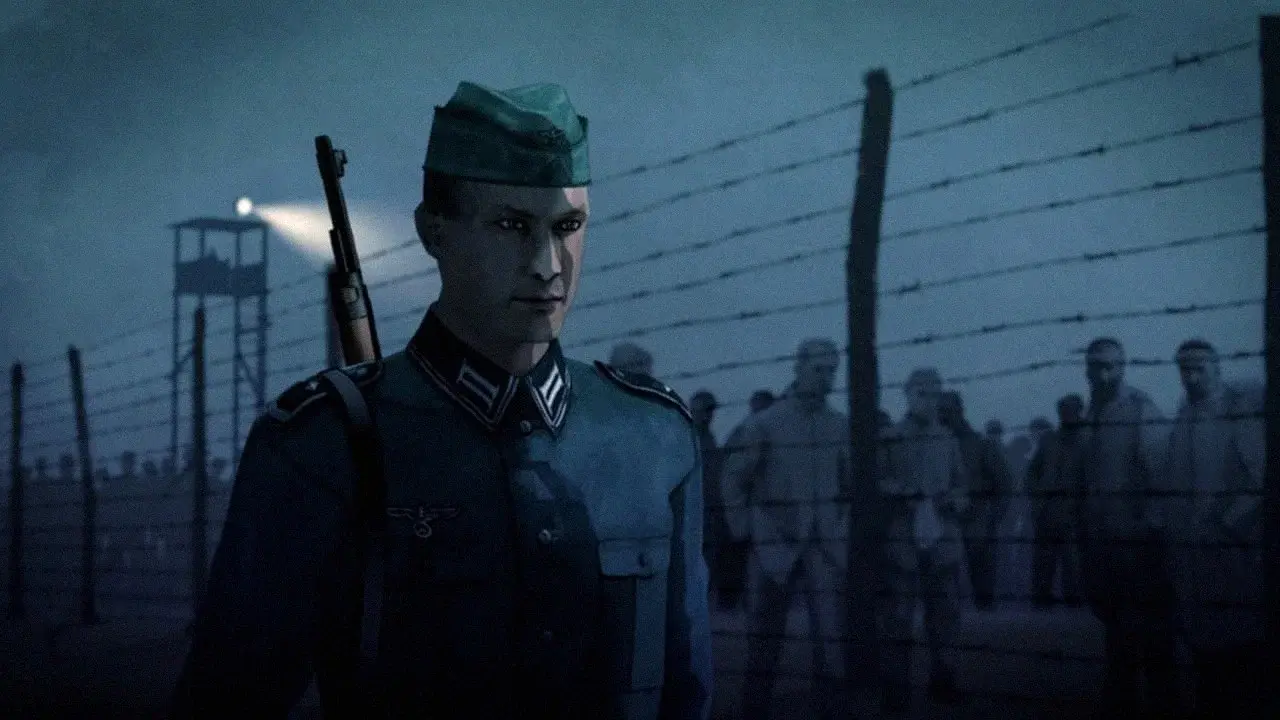
September 1st, 1939. Nazi Germany invades Poland. The campaign is fast, cruel and ruthless. In these circumstances, how is it that ordinary German soldiers suddenly became vicious killers, terrorizing the local population? Did everyone turn into something worse than wild animals? The true story of the first World War II offensive that marks in the history of infamy the beginning of a carnage and a historical tragedy.
Top Cast

Nicole Engeln
Self - Narrator (voice)
Jochen Böhler
Self - Historian
Dawid Golik
Self - Historian
Detlef Fetchenhauer
Self - Psychologist
Sybille Steinbacher
Self - Historian
Włodzimierz Borodziej
Self - Historian
Maren Röger
Self - Historian
Cezary Król
Self - Historian
Jan Turnau
Self - Journalist
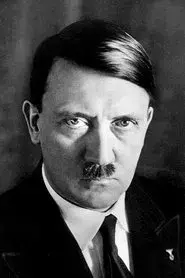
Adolf Hitler
Self - Politician (archive footage)
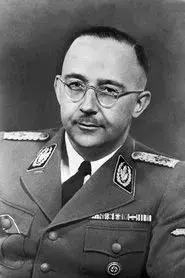
Heinrich Himmler
Self - Politician (archive footage)
Key Film Crew
Production Stats
You May Also Like


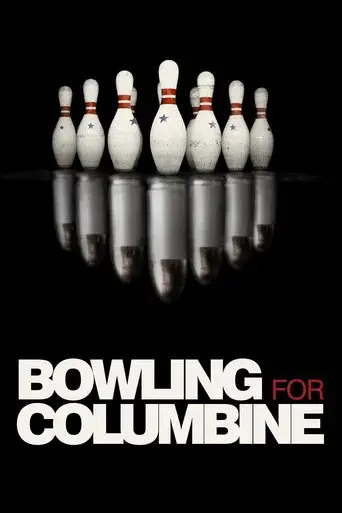
This is not a film about gun control. It is a film about the fearful heart and soul of the United States, and the 280 million Americans lucky enough to have the right to a constitutionally protected Uzi. From a look at the Columbine High School security camera tapes to the home of Oscar-winning NRA President Charlton Heston, from a young man who makes homemade napalm with The Anarchist's Cookbook to the murder of a six-year-old girl by another six-year-old. Bowling for Columbine is a journey through the US, through our past, hoping to discover why our pursuit of happiness is so riddled with violence.
Bowling for Columbine
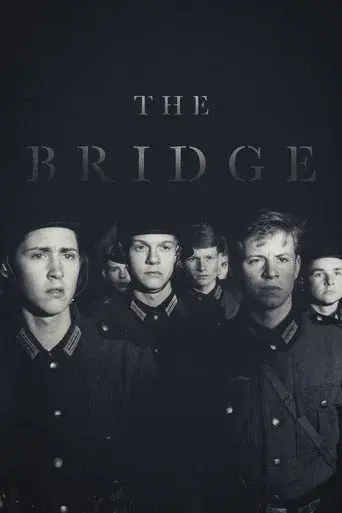
A group of German boys are ordered to protect a small bridge in their home village during the waning months of the second world war. Truckloads of defeated, cynical Wehrmacht soldiers flee the approaching American troops, but the boys, full of enthusiasm for the "blood and honor" Nazi ideology, stay to defend the useless bridge. The film is based on a West German anti-war novel of the same name, written by Gregor Dorfmeister.
The Bridge

A dying man in his forties recalls his childhood, his mother, the war and personal moments that tell of and juxtapose pivotal moments in Soviet history with daily life.
Mirror

June 6, 1944: The largest Allied operation of World War II began in Normandy, France. Yet, few know in detail exactly why and how, from the end of 1943 through August 1944, this region became the most important location in the world. Blending multiple cinematographic techniques, including animation, CGI and stunning live-action images, “D-Day: Normandy 1944” brings this monumental event to the world’s largest screens for the first time ever. Audiences of all ages, including new generations, will discover from a new perspective how this landing changed the world. Exploring history, military strategy, science, technology and human values, the film will educate and appeal to all. Narrated by Tom Brokaw, “D-Day: Normandy 1944” pays tribute to those who gave their lives for our freedom… A duty of memory, a duty of gratitude.
D-Day: Normandy 1944
A German Platoon is explored through the brutal fighting of the Battle of Stalingrad. After half of their number is wiped out and they're placed under the command of a sadistic captain, the platoon lieutenant leads his men to desert. The platoon members attempt escape from the city, now surrounded by the Soviet Army.
Stalingrad
Depression-era bank robber John Dillinger's charm and audacity endear him to much of America's downtrodden public, but he's also a thorn in the side of J. Edgar Hoover and the fledgling FBI. Desperate to capture the elusive outlaw, Hoover makes Dillinger his first Public Enemy Number One and assigns his top agent, Melvin Purvis, the task of bringing him in dead or alive.
Public Enemies

In 1940, the Royal Air Force fights a desperate battle against the might of the Luftwaffe for control of the skies over Britain, thus preventing an attempted Nazi invasion.
Battle of Britain
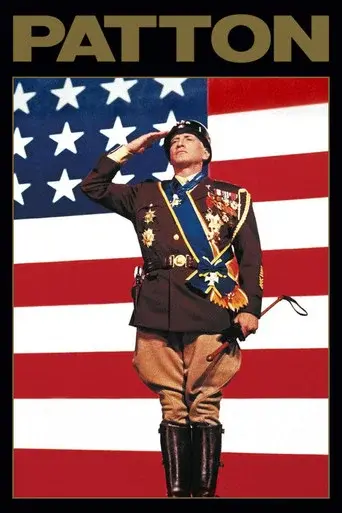
"Patton" tells the tale of General George S. Patton, famous tank commander of World War II. The film begins with Patton's career in North Africa and progresses through the invasion of Germany and the fall of the Third Reich. Side plots also speak of Patton's numerous faults such his temper and habit towards insubordination.
Patton
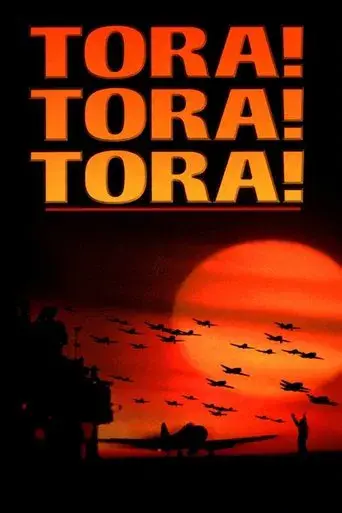
In the summer of 1941, the United States and Japan seem on the brink of war after constant embargos and failed diplomacy come to no end. "Tora! Tora! Tora!", named after the code words used by the lead Japanese pilot to indicate they had surprised the Americans, covers the days leading up to the attack on Pearl Harbor, which plunged America into the Second World War.
Tora! Tora! Tora!

In 1943, the Imperial Japanese Secret Service made a film called Calling Australia! to show the "exemplary conditions" under which prisoners of war were kept, and to "soften up" the Australian public for the anticipated occupation of their country by Japanese forces. Prisoners of Propaganda tells why the film was made, and how it came to be forgotten.