Overview
In the years following the Civil Rights movement and the passage of Title IX in 1972, Dr. Donnis Thompson (a headstrong African-American female coach), Patsy Mink (the first Asian-American U.S. congresswoman), and Beth McLachlin (the team captain of a rag-tag female volleyball team), battled discrimination from the halls of Washington D.C. to the dusty volleyball courts of the University of Hawaii, fighting for the rights of young women to play sports.
Top Cast
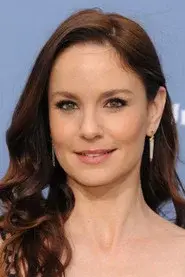
Sarah Wayne Callies
Narrator

Donnis Thompson
Herself (archive footage)
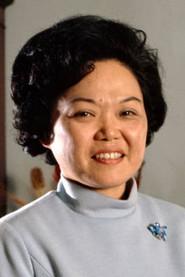
Patsy Mink
Self (archive footage)
Beth McLachlin
Herself
Dave Shoji
Himself
Wendy Mink
Self
Bernice Sandler
Herself
Lacey O'Neal
Herself
Chris McLachlin
Himself
Pat Saiki
Herself
Marilyn Moniz-Kaho'ohanohano
Herself
Serena Michael
Herself
Key Film Crew
Production Stats
You May Also Like
A film about a woman who doesn’t exist. Moroccan Hind was raped and consequently denied an official identity – she has no other choice but to work as a prostitute and traditional wedding dancer, but despite the odds of her situation, refuses to give up her dream of dignity, motherhood and love. This is a story of modern day outlaws, children of prostitutes, abandoned child brides and those who have had to escape to the fringes of patriarchal Moroccan society. Through the eyes of one young woman we see a life of constant struggle, but also a life free of the society’s norms and boundaries. The woman in the centre of the film, Hind, is both vulnerable and courageous as she tries to regain her life, her children and her mere right to live as an equal human being in the 21st century.
Dance of Outlaws
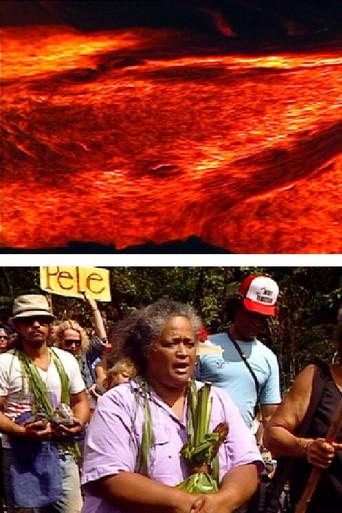
In the swirling volcanic steam and misty rain forest of Kilauea volcano’s east rift zone on the island of Hawai’i, two forces meet head on. Geothermal development interests, seeking to clear the rain forest for drilling operations, are opposed by native Hawaiians seeking to stop the desecration of the fire goddess, Pele. Pele is a living deity fundamental to Hawaiian spiritual belief. She is the eruption, with its heat, lava and steam. Her family takes the form of forest plants, animals and other natural forces. But geothermal development interests see Pele as simply a source of electricity. When Hawaiians take the issue to court, they find that nature-based religions are not respected by U.S. law.
Pele's Appeal

Under a Jarvis Moon is a 2010 documentary film about the young men, mostly of Hawaiian origin, sent in the 1930s and 1940s to colonize the Line Island of Jarvis and the Phoenix Islands of Howland and Baker.
Under a Jarvis Moon

In the wake of the COVID-19 pandemic, the 2020 WNBA season pivoted into a bubble site in Bradenton, Florida – where 144 players across 12 teams convened to face the rigors of an unrelenting schedule and finish their battle for a championship; all while just as dedicated to amplify social activism in response to the injustices that gripped that same summer. A documentary from ESPN Films.
144
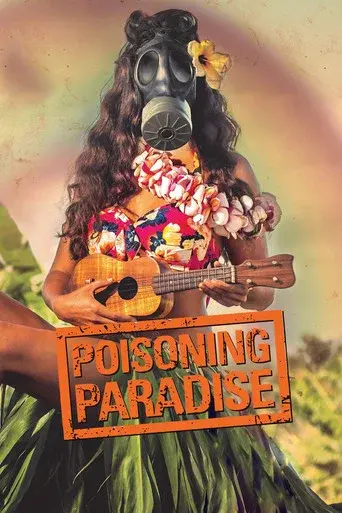
Journey to the seemingly idyllic world of Native Hawaiians, whose communities are surrounded by experimental test sites for genetically engineered seed corn and pesticides sprayed upwind of their homes, schools, hospitals, and shorelines.
Poisoning Paradise
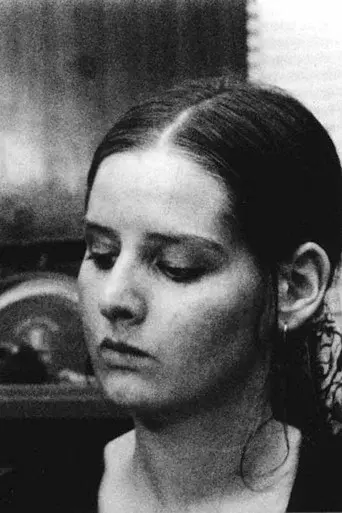
A docu-drama shot in 1970, but not completed until 1973, the film sought to encapsulate in an experimental form issues that were under discussion within the Women’s Liberation Movement at this time and to thus contribute to action for change. In its numerous community screenings, active debate was encouraged as part of the viewing experience.
A Film for Discussion

Kalo (taro) production on each of the major islands of Hawai'i circa 1994. Meet the amazing people who love and continue to cultivate taro on lo'i that in some cases has been in the family for generations and centuries! Young, old, and family growers on Maui, Moloka'i, Hawai'i, O'ahu, and Kaua'i islands. Includes history/culture of kalo, Issues related to land and water, uses of kalo, and prospects for the future.
Back to the Roots

This film portrays Hawaii as a multifaceted American territory, far more than just a tourist destination with picturesque beaches and palm trees. It describes Hawaii as a group of volcanic islands in the Pacific, serving as a crucial crossroads for shipping and air travel between North America, Asia, and Australia. The film highlights Hawaii's fertile soil, conducive to agriculture, with major crops being sugar cane and pineapples, cultivated historically by a significant Asian workforce. Cities like Honolulu are presented as modern, diverse urban centers blending various cultures, including the native Hawaiian heritage. The film also notes Hawaii's strategic importance, with historical sites like Pearl Harbor, emphasizing its unique combination of cultural richness, economic vitality, and historical significance.
Modern Hawaii

Surfing at Waikiki Beach, Hawaii, on the island of Oahu. Most surfers are human, one is a dog. The educational documentary is part of the Bruce Scenic Novelties series.
Sons of the Surf


Four women are on an existential journey in Morocco, connecting with local women from all walks of life bonding in sisterhood, and share their common quest for empowerment.
To my sisters

Out of State is the unlikely story of native Hawaiians men discovering their native culture as prisoners in the desert of Arizona, 3,000 miles, and across the ocean, from their island home.
Out of State

Examines the 40-year evolution of gender inequality and discrimination in the workplace since the 1980 release of the comedy film “9 to 5” starring Jane Fonda, Lily Tomlin, Dolly Parton, and Dabney Coleman.