
Overview
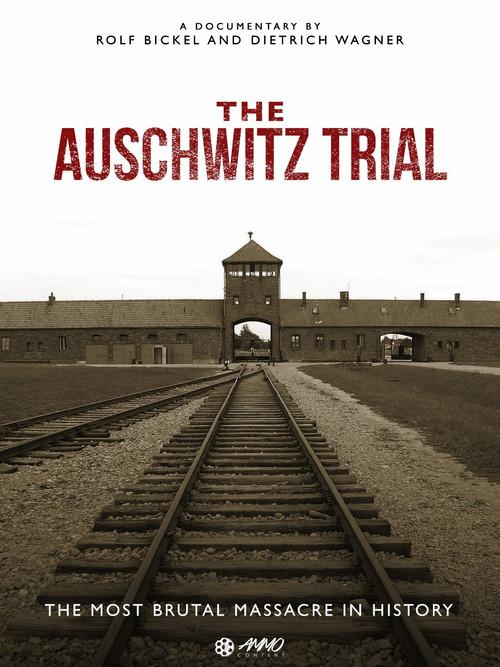
The biggest trial of Nazi war crimes ever: 360 witnesses in 183 days of trial - a stunning and gripping portrayal of the most terrible massacre in history.
Key Film Crew
Production Stats
You May Also Like

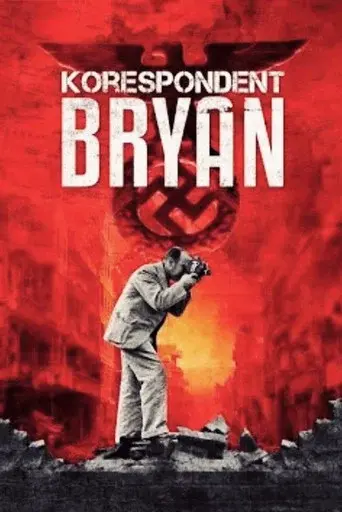
The film is based solely on footage shot in Warsaw in 1939 by Julien Hequembourg Bryan. This American filmmaker and photographer documented life in Poland, the Soviet Union and Nazi Germany between 1935 and 1939. Following the outbreak of the Second World War, he arrived in Warsaw, where he shot a number of films documenting the city under siege, and is said to be the only foreign correspondent in the Polish capital at the time. Bryan also took the first colour photographs of wartime Warsaw.
Korespondent Bryan
On March 24, 1944, in the heart of Nazi Germany, 76 British, Canadian, Norwegian and French pilots who were held in Stalag Luft III, a prison camp of the Luftwaffe, escaped. Unique testimony from the last survivors, recreations and today’s digital images sheds new light on the audacious escape.
The Great Escape

JEWS excavates a lost world of manners and ritual in home movies shot by several Chicago families from the 1920s through the 1940s. Much as in similar found footage soliloquies by Péter Forgács, Jay Rosenblatt and Ken Jacobs, director Roger Deutsch wrings unexpected pathos from mundane traces of the past. Children mug for the camera with dances of the day, upright mothers march their strollers up the avenue, men smoke, the family gathers around the table to light the candles. The bare title cannot help but raise the specter of contemporaneous events in Europe, lending an extra degree of urgency to the film's meditation on disappearance. - Max Goldberg
Jews
Between 1942 and 1944 some 24,916 Jews were deported from Belgium to Auschwitz. The roundups and deportations were organized and carried out by the Nazis with the - not always conscious - cooperation of Belgian authorities. The attitude of the authorities here varied from outright resistance to voluntary or unwitting collaboration.
Modus Operandi
Here is the hair raising, seat-of-the-pants tale of men who dared to fly their planes, unescorted, to the heart of enemy held Romania to blast the source of German oil. It's also the story of long, low level flights over water, searching for the tell tale sliver of a U-boat periscope. It's a tribute to an underdog that became the most versatile, widely used bomber of World War II. This is THE B-24 LIBERATOR! Aviation A.V. Library brings you this battling classic in a hell-raising video adventure that we call "THE FIGHTING LIBERATOR." From the Bismark Sea to dirt airstrips in China to the exhilaration of the great push on D-Day the Liberator was there, fighting her way over, around and through the Axis ranks.
The Fighting Liberator

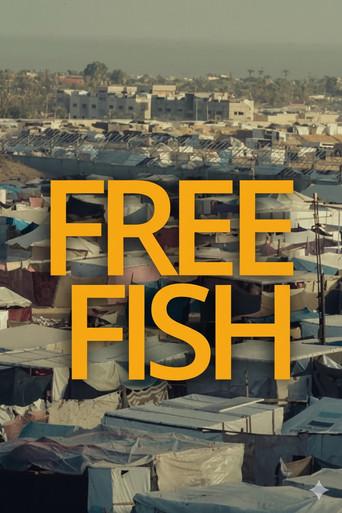
Free Fish is a short documentary filmed over the course of a year in Gaza, following two brothers — Abu Nagham and Ahmad — separated by war yet connected by the sea. Displaced from their home, Abu Nagham now lives in a tent in the south, fishing with his young nephew Rami, who lost his twin brother. Ahmad remains in the north, fishing amid ruins and occupation. Once a source of livelihood and freedom, the sea has become a battleground — heavily restricted, constantly watched, and always dangerous.
Free Fish

Film inspired by the beauty of medieval tombstones, stećaks, scattered around the mountains of Bosnia-Herzegovina and Mak Dizdar’s poem about them. Film explores the distant past immortalized in inscriptions on these ancient tombstones.
Stone Sleeper
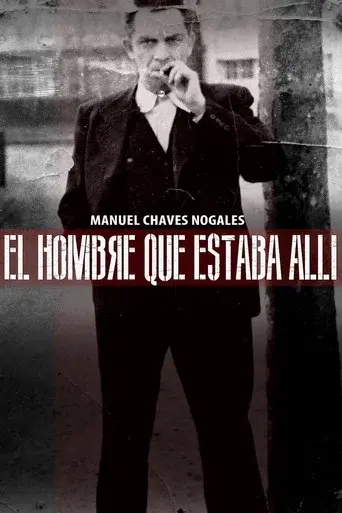
The Spanish journalist Manuel Chaves Nogales (1897-1944) was always there where the news broke out: in the fratricidal Spain of 1936, in Bolshevik Russia, in Fascist Italy, in Nazi Germany, in occupied Paris or in the bombed London of World War II; because his job was to walk, see and tell stories, and thus fight against tyrants, at a time when it was necessary to take sides in order not to be left alone; but he, a man of integrity to the bitter end, never did so.