Psychiatric Interview Series—Patient No. 1: Evaluation for Diagnosis
Overview
A woman in her twenties has just admitted herself to a psychiatric hospital in California. A staff doctor characterizes her behavior as antisocial and impulsive.
Key Film Crew
Production Stats
You May Also Like
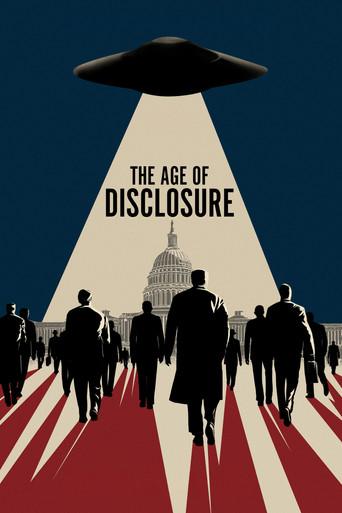
Director Dan Farah got 34 senior members of the U.S. Government, military, and intelligence community to come on camera. He says they reveal an 80 year cover-up of the existence of non-human intelligent life and a secret war amongst major nations to reverse engineer technology of non-human origin. The film explores the profound impact the situation has on the future of humanity, while providing a look behind-the-scenes with those at the forefront of the bi-partisan disclosure effort.
The Age of Disclosure


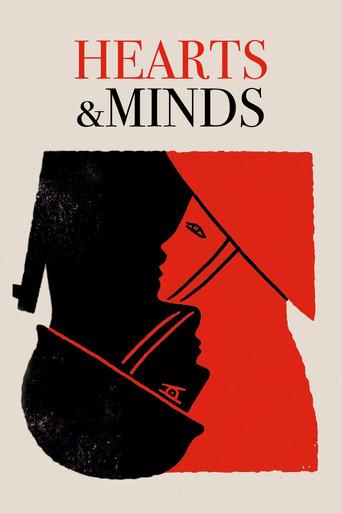
Many times during his presidency, Lyndon B. Johnson said that ultimate victory in the Vietnam War depended upon the U.S. military winning the "hearts and minds" of the Vietnamese people. Filmmaker Peter Davis uses Johnson's phrase in an ironic context in this anti-war documentary, filmed and released while the Vietnam War was still under way, juxtaposing interviews with military figures like U.S. Army Chief of Staff William C. Westmoreland with shocking scenes of violence and brutality.
Hearts and Minds


What is the purpose of our existence ? What is the soul ? Which are the power of mind, of conscience ? What is our link to nature ? Pondering these existential questions, this movie invites us to find out an universal wisdom, meeting shamans, healers, yogis, but also philosophers and doctors. From Mongolia plains to the Amazonian forest, it leads us far than we expected at first.
Etugen



This report was broadcast on ARD in 1993. In 43 minutes, the development of psychiatry "in the third year after reunification" is shown using two institutions in the new federal states as examples. A touchstone for all of psychiatry and disability care to this day. The film shows a shocking way in which disabled people are treated. The commentary uses the perspective of those affected. 50 years after euthanasia in Germany, this documentary reminds us of this once again.
The Hell of Ueckermünde
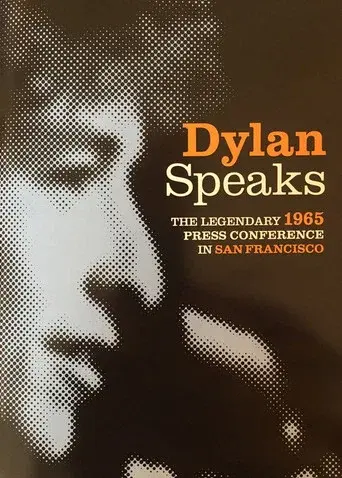
The legendary press conference in San Fransisco at KQED studios on Dec. 3rd 1965. This was a pivotal year in Bob Dylan's career. In the early part of the year he released "Bringing It All Back Home", the first album that saw him move distinctly away from his folk music origins. In the summer he followed it with "Highway 61 Revisited", an out and out rock 'n' roll album, and the single "Like A Rolling Stone" hit No.2 on the US charts. His appearance at that year's Newport Folk Festival saw him use an electric guitar on stage, a hugely controversial move at the time that saw him booed by much of the audience. Against this background, Dylan went into the studios of TV station KQED in San Francisco for a broadcast press conference hosted by Ralph J. Gleason, his only one from this era ever to be filmed.
Dylan Speaks
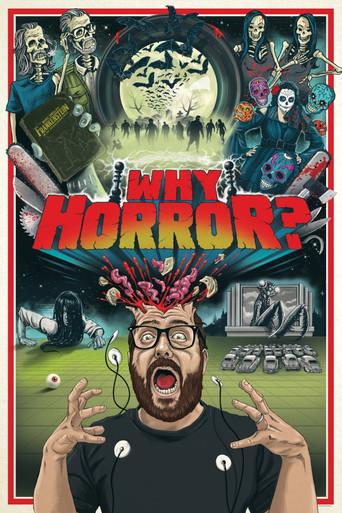
Horror fan Tal Zimerman examines the psychology of horror around the world to find out why people love to be scared.