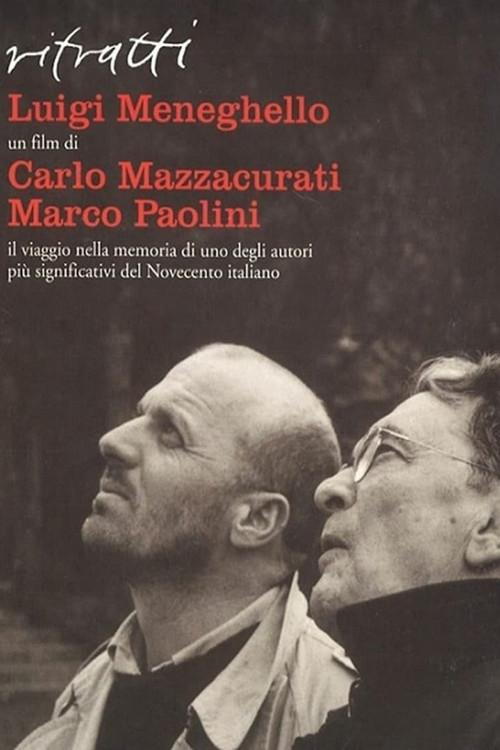
Ritratti: Luigi Meneghello
Overview
Marco Paolini interviews Luigi Meneghello about growing up under fascism, his involvement with the Italian resistance movement, his later self-exile, acclaimed literary work and its relationship with dialect.
Top Cast

Luigi Meneghello
Self
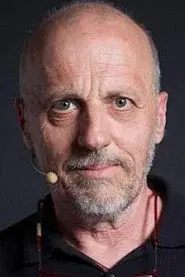
Marco Paolini
Self
Key Film Crew
Production Stats
You May Also Like

In this intimate portrayal of friendship, patience, and transformation, filmmaker Pierce McCleary follows Buffalebrity drag trio She Lives through a night of convoluted, cross-dressing chaos. Will she ever make it?!
SHE LATE!

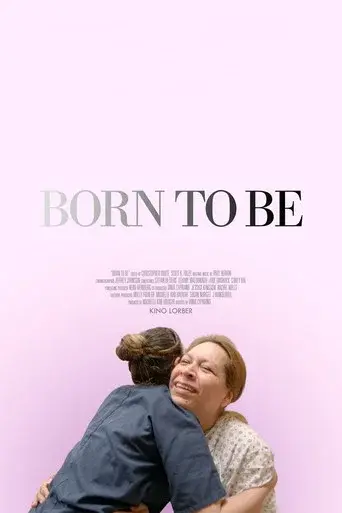
Soon after New York state passed a 2015 law that health insurance should cover transgender-related care and services, director Tania Cypriano and producer Michelle Hayashi began bringing their cameras behind the scenes at New York’s Mount Sinai Hospital, where this remarkable documentary captures the emotional and physical journey of surgical transitioning. Lending equal narrative weight to the experiences of the center’s groundbreaking surgeon Dr. Jess Ting and those of his diverse group of patients, BORN TO BE perfectly balances compassionate personal storytelling and fly-on-the-wall vérité. It’s a film of astonishing access—most importantly into the lives, joys, and fears of the people at its center.
Born to Be
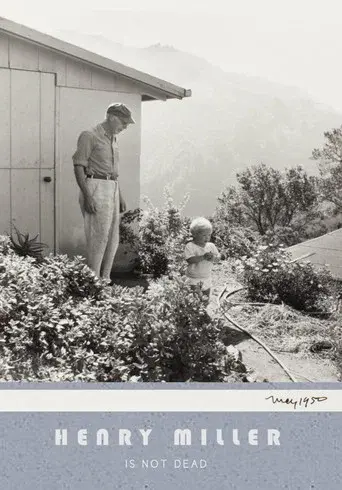
In this artistic exploration of the life and work of writer Henry Miller, filmmaker Joe Kishton skillfully weaves clips of films and interviews of Miller with the music of Laurie Anderson. From Miller himself we hear of his difficult relationship with his parents, and of his need to create, even (or especially) when his message abrades social mores.
Henry Miller Is Not Dead

The community of Woodberry Down in Hackney rallies to save a beloved local plane tree from development.
The Happy Man Tree

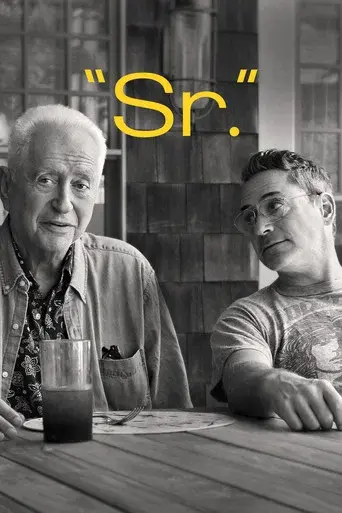
A portrait of the life and career of Robert Downey Sr. (1936-2021), the visionary and fearless US filmmaker — father of actor Robert Downey Jr. — who in the sixties and seventies laid the foundations for countercultural comedy.
"Sr."



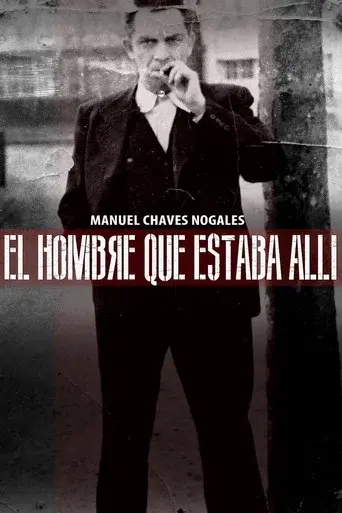
The Spanish journalist Manuel Chaves Nogales (1897-1944) was always there where the news broke out: in the fratricidal Spain of 1936, in Bolshevik Russia, in Fascist Italy, in Nazi Germany, in occupied Paris or in the bombed London of World War II; because his job was to walk, see and tell stories, and thus fight against tyrants, at a time when it was necessary to take sides in order not to be left alone; but he, a man of integrity to the bitter end, never did so.