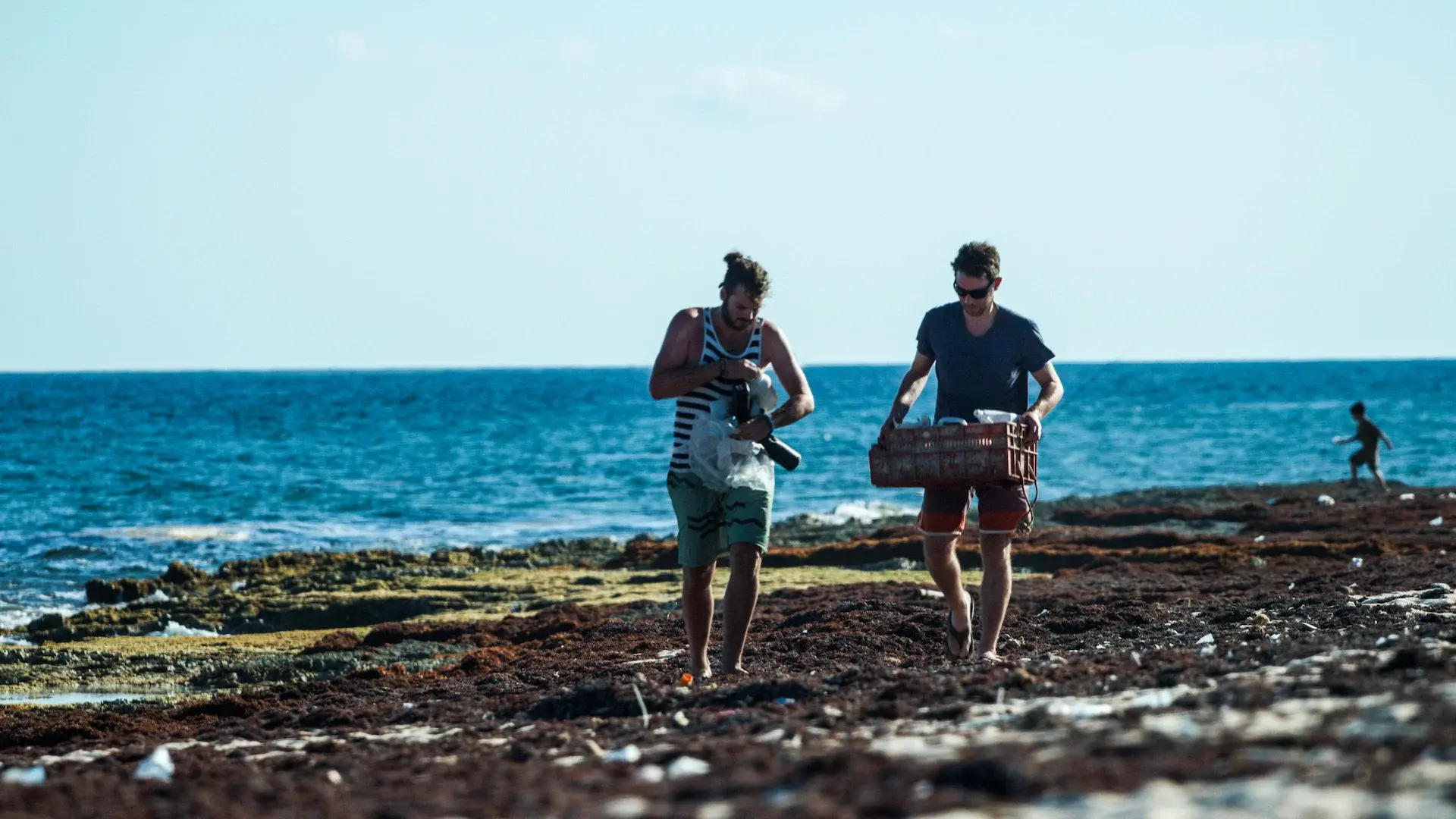

An Ocean Story
Overview
Increasing pollution, over fishing and climate change are major threats our oceans are currently facing worldwide. This documentary follows us on our journey as we film devastating consequences of these harsh realities.
Key Film Crew
Production Stats
You May Also Like

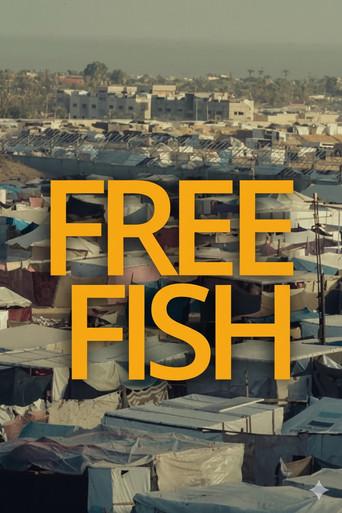
Free Fish is a short documentary filmed over the course of a year in Gaza, following two brothers — Abu Nagham and Ahmad — separated by war yet connected by the sea. Displaced from their home, Abu Nagham now lives in a tent in the south, fishing with his young nephew Rami, who lost his twin brother. Ahmad remains in the north, fishing amid ruins and occupation. Once a source of livelihood and freedom, the sea has become a battleground — heavily restricted, constantly watched, and always dangerous.
Free Fish
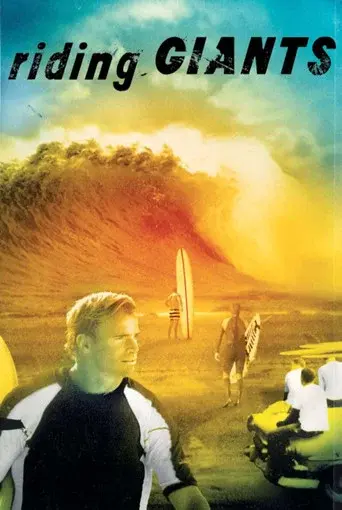
Riding Giants is story about big wave surfers who have become heroes and legends in their sport. Directed by the skateboard guru Stacy Peralta.
Riding Giants
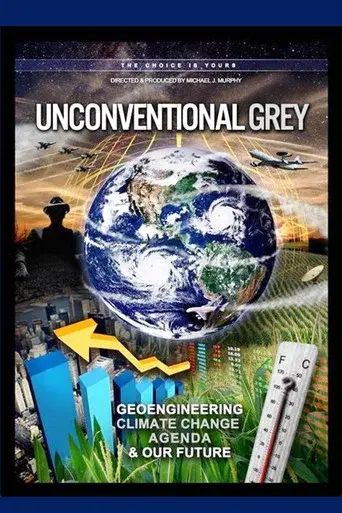
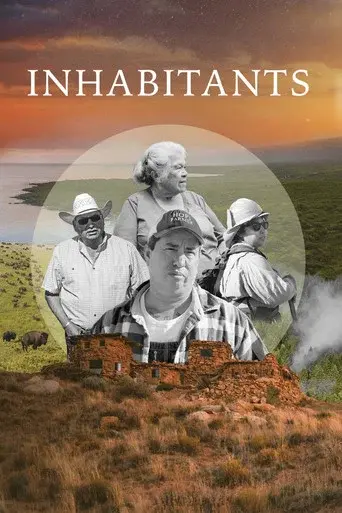
For millennia, Native Americans successfully stewarded and shaped their landscapes, but centuries of colonization have disrupted their ability to maintain their traditional land management practices. From deserts, coastlines, forests, mountains, and prairies, Native communities across the US are restoring their ancient relationships with the land. As the climate crisis escalates these time-tested practices of North America's original inhabitants are becoming increasingly essential in a rapidly changing world.
Inhabitants
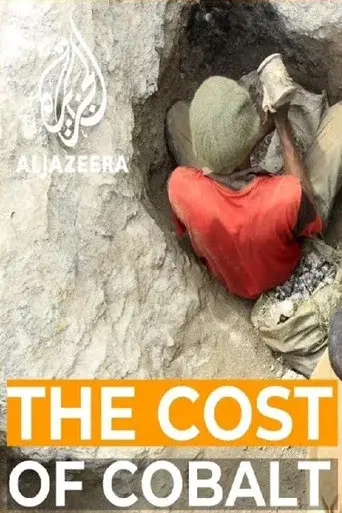
In the cobalt mining areas of Katanga in the Democratic Republic of the Congo (DRC), babies are being born with horrific birth defects. Scientists and doctors are finding increasing evidence of environmental pollution from industrial mining which, they believe, may be the cause of a range of malformations from cleft palate to some so serious the baby is stillborn. More than 60% of the world’s reserves of cobalt are in the DRC and this mineral is essential for the production of electric car batteries, which may be the key to reducing carbon emissions and to slowing climate change. In The Cost of Cobalt we meet the doctors treating the children affected and the scientists who are measuring the pollution. Cobalt may be part of the global solution to climate change, but is it right that Congo’s next generation pay the price with their health? Many are hoping that the more the world understands their plight, the more pressure will be put on the industry here to clean up its act.
The Cost of Cobalt
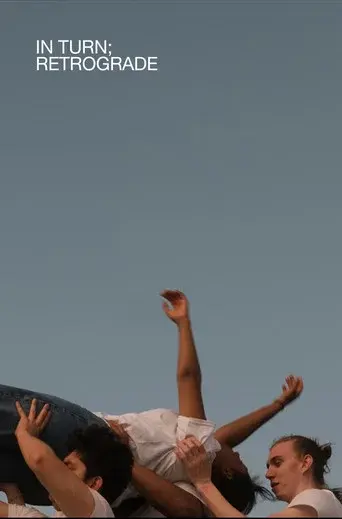
A documentary following the research projects of ten minority ethnic interns from Edge Hill University over the Summer of 2022.
IN TURN; RETROGRADE
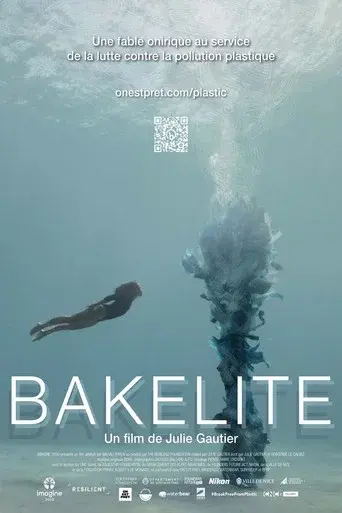
This underwater ballet is an ecological story depicting our paradoxical relationship with plastic. Bakelite launched the #SickOfPlastic campaign from On Est Prêt, along with the Surfrider Foundation, Break Free from Plastic and the Resilient Foundation. Photography was directed by Jacques Ballard, a specialist in underwater cinematography.
Bakelite

In Tacony Creek Park, home to one of Philadelphia's lesser-known watersheds, Julie Slavet and Malcolm Bundy reflect on their involvement with and love for the park, made bittersweet by the continuous and increasing amount of pollution that flows into its river. Combined wastewater and stormwater sewage outfalls have affected Philadelphia's rivers for years, but as one innovative program mitigates this for the Schuylkill and Delaware, Tacony gets left behind. Scientist Laura Toran educates the audience on green infrastructure and its potential positive impacts, while Slavet and Bundy discuss how they're still waiting—not without hope—for those impacts to reach their community.
Where the Water Goes


This films reveals the extraordinary variety of life found in the vast blue expanses of the open ocean. Here, all the action takes place in a 10 metre deep band of water, just under the surface. Many species use this section of water to migrate and hunt while others use ingenious ways to stay hidden where there appears to be no shelter.
Life in the Blue
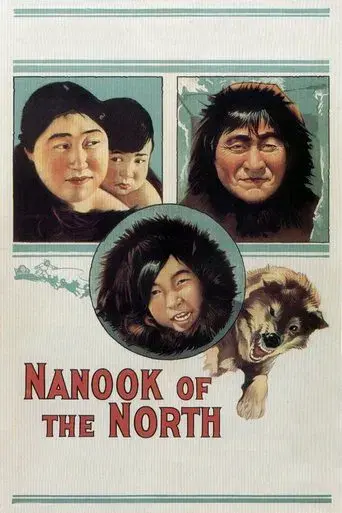
This pioneering documentary film depicts the lives of the indigenous Inuit people of Canada's northern Quebec region. Although the production contains some fictional elements, it vividly shows how its resourceful subjects survive in such a harsh climate, revealing how they construct their igloo homes and find food by hunting and fishing. The film also captures the beautiful, if unforgiving, frozen landscape of the Great White North, far removed from conventional civilization.
Nanook of the North

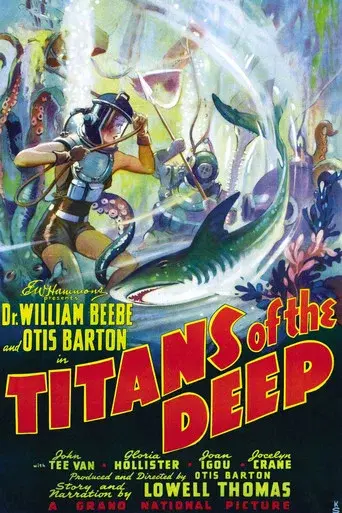
Prominent scientists Dr. William Beebe and Otis Barton, using the Bathyspere invented by Barton, descend several thousand feet to the ocean floor off of the shores of Bermuda to study and film sea creatures seen and filmed at that depth for the first time. A sometimes staged semi-documentary that was often sold and advertised as an exploitation/horror picture.
Titans of the Deep
Discover the "character" of one of Missouri's oldest tie and lumber operations through this archival black-and-white film that documents one of the last railroad tie drives on the Black River made by the T.J. Moss Tie Company of St. Louis in the 1920s. Thanks to release of the film by the Kerr-McGee Chemical Corporation, the rare footage in "Stamp of Character" takes us through the entire process of making railroad ties, at a time when forests covered almost two-thirds of the state. The original silent motion picture was shown in movie theaters as an advertisement by the T.J. Moss Tie Company. Using digitally edited narration and realistic sound effects, this video makes the past live again.