

Overview
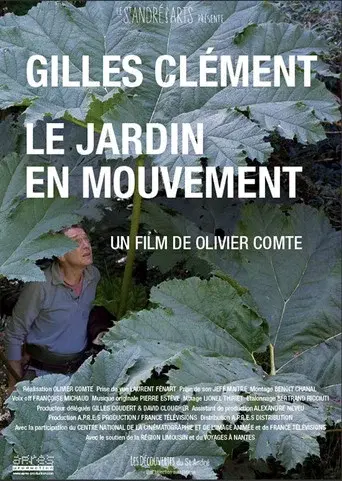
While new, monster housings are being erected, people grow a small farm in their vicinity. Soon the bulldozers come and ransack it.
Key Film Crew
Production Stats
You May Also Like
A documentary about punk and subculture scene of Pula, Croatia from 1978 to 1991, the city that gave birth to one of the most vivid punk and alternative rock scenes in former Yugoslavia, despite having population of just over 60,000 residents.
City of Splendour

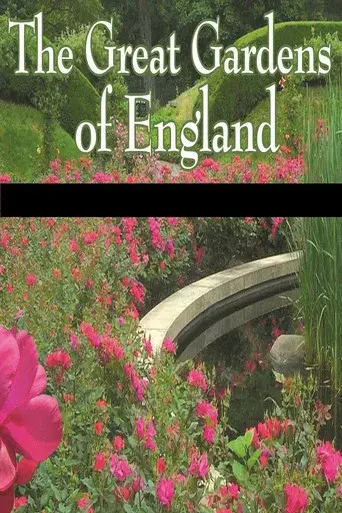


Created over 75 years and three generations, Les Quatre Vents stands as an enchanted place of beauty and surprise, a horticultural masterpiece of the 21st century. See how Frank Cabot gave birth to one of the greatest gardens in the world.
The Gardener

The Happy Child is a story of "New Wave" rock genre predominant in the ex-Yugoslavia during the socialist 70's and 80's.
The Happy Child
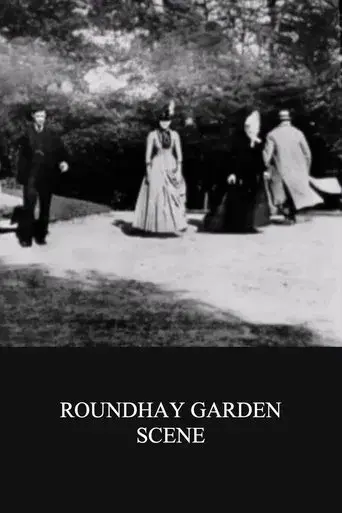
The earliest surviving motion-picture film, and believed to be one of the very first moving images ever created, was shot by Louis Aimé Augustin Le Prince using the LPCCP Type-1 MkII single-lens camera. It was taken on paper-based photographic film in the garden of Oakwood Grange, the Whitley family house in Roundhay, Leeds, West Riding of Yorkshire (UK), on 14 October 1888. The film shows Adolphe Le Prince (Le Prince’s son), Mrs. Sarah Whitley (Le Prince’s mother-in-law), Joseph Whitley, and Miss Harriet Hartley walking around in circles, laughing to themselves, and staying within the area framed by the camera. Roundhay Garden Scene is often associated with a recording speed of around 12 frames per second and runs for about 2 to 3 seconds.
Roundhay Garden Scene
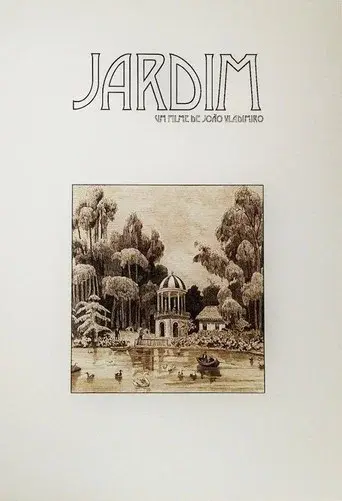
4 hectares of ground are the gardens that surround the Calouste Gulbenkian Foundation in Lisbon. Throughout one year João Vladimiro’s camera follows the work of landscape architect Gonçalo Ribeiro Telles, commissioned by the Calouste Gulbenkian Foundation. “I know that the trees don’t have eyes, that the water doesn’t have a mouth, and that stones don’t have ears. Still, we communicate. In this particular garden, long mute talks take place, like the two elders that, through their sheer presence, talk to each other about calmness, comfort and sadness.”, says director Vladimiro, whose patient camera eye pays attention to the smallest events.
Jardim

It shows the Neretva river from its source to the shores of the Adriatic Sea. The document also captures the original four-hundred-year-old bridge in Mostar.
In the Valley of Neretva



Marija grew up in a family that lives Yugoslav ideals even today. Given that Marija and her family are of Serbian origin, who continued to live in Croatia, regardless of the pressures of the recent war, the Yugoslav identity is the one they felt closest to. She had always felt that her family's ideals were her own, until her life path turned her in a different direction. When she founded her own family with her husband, she began to question her parents' and grandparents' values, as well as her own, and if that was the environment in which she wanted to raise her son. Within a journey through the family history, Marija opts for a "new beginning" in a totally different environment and sets up a new home - in Sweden. This film is a story about growing up, separation from the nest, and accepting one's own value system, and how to get there, in the atmosphere of a stable and loving family.
IKEA for YU
Scenic route through the Vale of Evesham, Worcester and Great Malvern, with a detour to a lost masterpiece of outsider art.
East of the Malverns

Film inspired by the beauty of medieval tombstones, stećaks, scattered around the mountains of Bosnia-Herzegovina and Mak Dizdar’s poem about them. Film explores the distant past immortalized in inscriptions on these ancient tombstones.
Stone Sleeper


Winter 2019. Spanish war photographer Gervasio Sánchez, who documented with his camera the long and tragic siege of Sarajevo during the Bosnian War (1992-95), returns to the city in search of the children he met among the ruins, those who survived to grow up, live and remember.