Overview
An emotional journey through the film archives of the Mexican Revolution, ranging from Venustiano Carranza's administration to the creation of the PNR party by Plutarco Elias Calles.
Key Film Crew
Production Stats
You May Also Like
The film portraits the stage previous to the outbreak of the Mexican Revolution, from the end of Porfirio Díaz´ government, the social volatility, the ephemeral government of Madero and the presence of the working class in the figures of Villa and Zapata, until the signing if the Constitution of 1917. All of this through moving images, filmed during those events mainly by the Alva brothers, filmmakers of that time. Those images let us perceive the contradictory and shuddered glance of the people of that period.
The History in the Gaze
Historical heritage documentary about the disease that, 100 years ago, occurred during and after the Mexican Revolution. This film presents real testimonies of this cruel pandemic in the indigenous peoples of Mexico in the 20th century.
Red Autumn

Using rare historical footage, vintage musical recordings, and interviews with 88-year-old Pedro J. Gonzalez and his wife, this film chronicles Gonzalez’s long and colorful life, from his early days with Pancho Villa during the Mexican Revolution, to his career as a popular radio personality in Los Angeles in the 1930s, to the controversial court case that sent him to San Prison, a victim of the repressive forces operating against the Chicano/Mexicano community during that period.
Ballad of an Unsung Hero

Draws on the story of the same name by the American John Kenneth Turner, who, like some of his compatriots, such as the great journalist John Reed, witnessed and took part in the Mexican Revolution. Like Reed, author of Insurgent Mexico, JK Turner not only exposed the injustices of the Porfirio Díaz regime but also continued to collaborate with Mexican democrats, particularly with President Madero.
The Turner Journalist
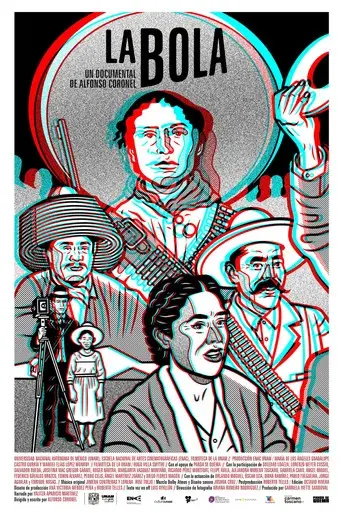
Through an AI-driven reinterpretation of Mexican Revolution footage captured by the country's cinema pioneers, this documentary offers a fresh look at a pivotal historical moment. It traces the movement's rise, peak, and fall, the birth of a new nation, and invites us to question the narratives that have shaped our identity and the present we inhabit.
Uprising

A history of the Mexican Revolution (1910-17), narrated through the striking images of the enormous film archive of Salvador Toscano (1872-1947), pioneer of Mexican cinema, compiled by his daughter, Carmen Toscano.
Memories of a Mexican
Directed by Mexican choreographer-director Camila Arroyo, and created in collaboration with designer Sabrina Olivera, “Soldaderas” is a contemporary interpretation of the figure of the Soldadera, known as the women fighters of the Mexican revolution. The choreographic portrait follows a young woman as she dances her way through Mexico City, capturing her twists and turns as well as the different self-fashioning rituals that accompany her. The film is also a moving archive of Olivera’s first collection, created in honor of the Soldaderas, for her upcoming brand Sabrina Ol. The movement in the film plays with the idea of the word soldar, translated in English as to weld. Centering this action, the choreographic language plays with the actions of melting, and rebuilding, braiding and forging as a backbone to how the protagonist moves around the city. As we watch the film, we play dress up with the dancer and sink into our bodies, allowing her movements to travel through us.
Soldaderas
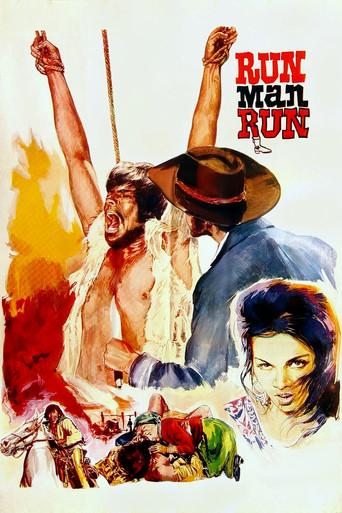
The legendary Tomas Milian stars as Cuchillo, a knife-throwing thief on the run from murderous bandits, sadistic American agents, his hot-blooded fiancée and a sheriff turned bounty hunter, all of whom are gunning for a hidden fortune in gold that could finance the Mexican Revolution.
Run, Man, Run

Tita is passionately in love with Pedro, but her controlling mother forbids her from marrying him. When Pedro marries her sister, Tita throws herself into her cooking and discovers she can transfer her emotions through the food she prepares, infecting all who eat it with her intense heartbreak.
Like Water for Chocolate

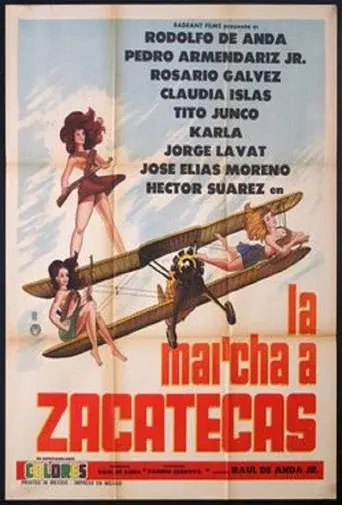
Villistas, army officers, heirs and heiresses all gather at the home of a recently deceased hacendado. Everybody has an agenda, everybody butts heads in comical ways. Or not so much.
La marcha a Zacatecas
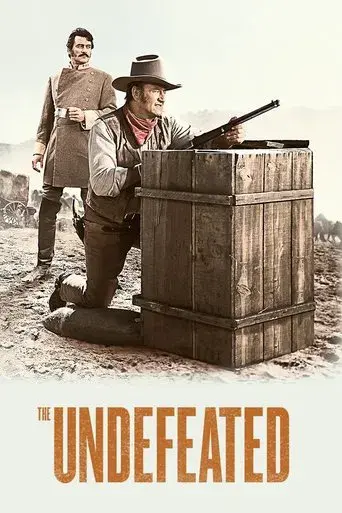
After the Civil War, ex-Union Colonel John Henry Thomas and ex-Confederate Colonel James Langdon are leading two disparate groups of people through strife-torn Mexico. John Henry and company are bringing horses to the unpopular Mexican government for $35 a head while Langdon is leading a contingent of displaced southerners, who are looking for a new life in Mexico after losing their property to carpetbaggers. The two men are eventually forced to mend their differences in order to fight off both bandits and revolutionaries, as they try to lead their friends and kin to safety.
The Undefeated
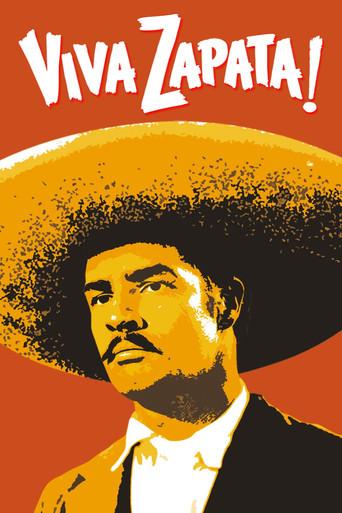
The story of Mexican revolutionary Emiliano Zapata, who led a rebellion against the corrupt, oppressive dictatorship of president Porfirio Díaz in the early 20th century.