La marcha a Zacatecas
Overview
Villistas, army officers, heirs and heiresses all gather at the home of a recently deceased hacendado. Everybody has an agenda, everybody butts heads in comical ways. Or not so much.
Top Cast

Rodolfo de Anda
Teniente Rodolfo Robles

Héctor Suárez
Sargento Margarito

Jorge Lavat
Capitán Agustín Tovar
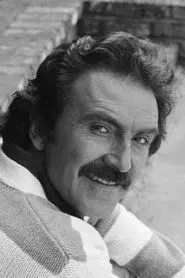
Pedro Armendáriz Jr.
Mayor González
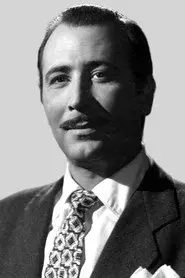
Tito Junco
Coronel Santos

José Elías Moreno
Don Eusebio

Rosario Gálvez
Doña María viuda de Altamirano

Nora Lárraga 'Karla'
Rosa María

Claudia Islas
María Isabel

Jacqueline Fellay
Marion, la francesa
Eva Muller
María Suzuki, la japonesa
Nancy Glenn
Mary, la americana
Key Film Crew
Production Stats
You May Also Like
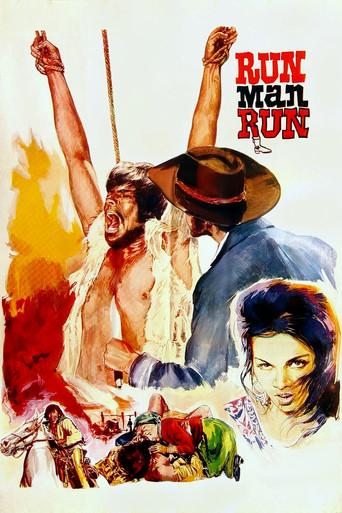
The legendary Tomas Milian stars as Cuchillo, a knife-throwing thief on the run from murderous bandits, sadistic American agents, his hot-blooded fiancée and a sheriff turned bounty hunter, all of whom are gunning for a hidden fortune in gold that could finance the Mexican Revolution.
Run, Man, Run
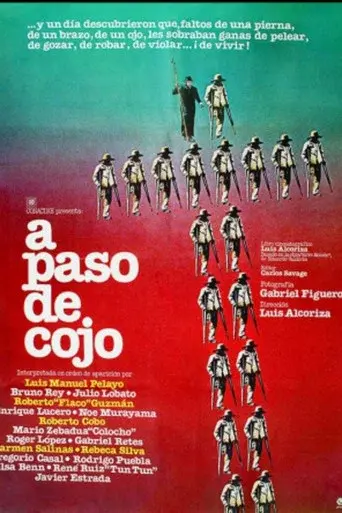
Ragtag crew of indigents from an asylum for the handicapped form a squadron to defend the Church during the Cristero Uprising.
At a Lame Pace

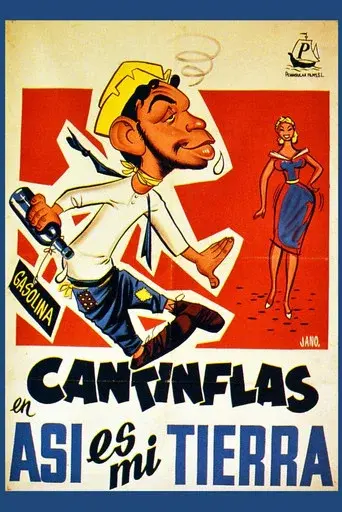
With revolutionary Mexico as a backdrop, a successful local rancher returns triumphant from the war to the praise of townsfolk, and "El General" is ready to take a wife. However the senorita of choice already has fallen for a secret admirer, and a boyhood rival who is threatened by the General's popularity in turn plots against his life.
Así es mi tierra


During the Mexican Revolution, Leandro and Odón, two war vultures, find a zebra. They mistakenly believe this to be an American horse and thus begin a journey in search of General Obregón, who they assume, will appoint them as colonels given their peculiar beast of burden. They partake in several adventures during their journey.
The Zebra

Reyes Mendoza (Carmen Sevilla) is a Spanish artist who arrives in Mexico in 1913 and finds herself involved in the Pancho Villa (Jose Elias Moreno) revolution.
La guerrillera de Villa
The film portraits the stage previous to the outbreak of the Mexican Revolution, from the end of Porfirio Díaz´ government, the social volatility, the ephemeral government of Madero and the presence of the working class in the figures of Villa and Zapata, until the signing if the Constitution of 1917. All of this through moving images, filmed during those events mainly by the Alva brothers, filmmakers of that time. Those images let us perceive the contradictory and shuddered glance of the people of that period.
The History in the Gaze

Directed by Mexican choreographer-director Camila Arroyo, and created in collaboration with designer Sabrina Olivera, “Soldaderas” is a contemporary interpretation of the figure of the Soldadera, known as the women fighters of the Mexican revolution. The choreographic portrait follows a young woman as she dances her way through Mexico City, capturing her twists and turns as well as the different self-fashioning rituals that accompany her. The film is also a moving archive of Olivera’s first collection, created in honor of the Soldaderas, for her upcoming brand Sabrina Ol. The movement in the film plays with the idea of the word soldar, translated in English as to weld. Centering this action, the choreographic language plays with the actions of melting, and rebuilding, braiding and forging as a backbone to how the protagonist moves around the city. As we watch the film, we play dress up with the dancer and sink into our bodies, allowing her movements to travel through us.
Soldaderas
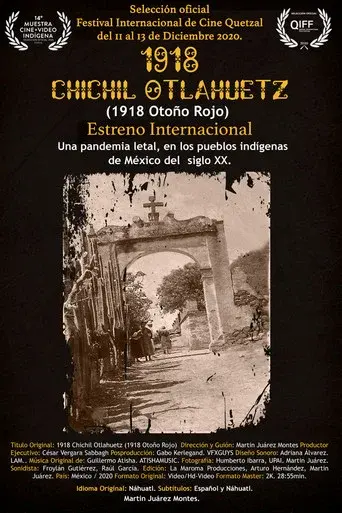
Historical heritage documentary about the disease that, 100 years ago, occurred during and after the Mexican Revolution. This film presents real testimonies of this cruel pandemic in the indigenous peoples of Mexico in the 20th century.
Red Autumn

When an Ivy League lawyer challenges her family’s claim to their longtime home, small-town attorney LouEster Sadie Gibbs must fight a courtroom battle that pits privilege against legacy.
Bull Street

Tita is passionately in love with Pedro, but her controlling mother forbids her from marrying him. When Pedro marries her sister, Tita throws herself into her cooking and discovers she can transfer her emotions through the food she prepares, infecting all who eat it with her intense heartbreak.
Like Water for Chocolate

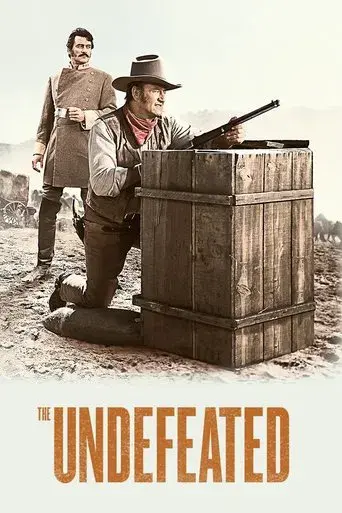
After the Civil War, ex-Union Colonel John Henry Thomas and ex-Confederate Colonel James Langdon are leading two disparate groups of people through strife-torn Mexico. John Henry and company are bringing horses to the unpopular Mexican government for $35 a head while Langdon is leading a contingent of displaced southerners, who are looking for a new life in Mexico after losing their property to carpetbaggers. The two men are eventually forced to mend their differences in order to fight off both bandits and revolutionaries, as they try to lead their friends and kin to safety.
The Undefeated
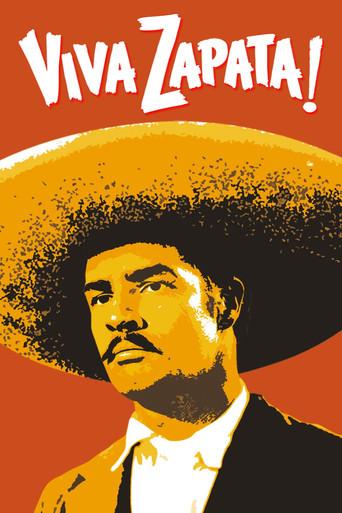
The story of Mexican revolutionary Emiliano Zapata, who led a rebellion against the corrupt, oppressive dictatorship of president Porfirio Díaz in the early 20th century.
Viva Zapata!

An aging group of outlaws look for one last big score as the "traditional" American West is disappearing around them.
The Wild Bunch

During the Mexican Revolution, the people tired of living in poverty and enduring the atrocities committed by the federals, decide to follow one of their own, General Demetrio Macias, a thief with tricks he learned in jail and who along with "La Pintada" decides to take his people to victory. Led by Captain Anastacio Montañez, the newly formed army fight and honor their code at the same time as they loot houses to spread the wealth.
The Underdogs
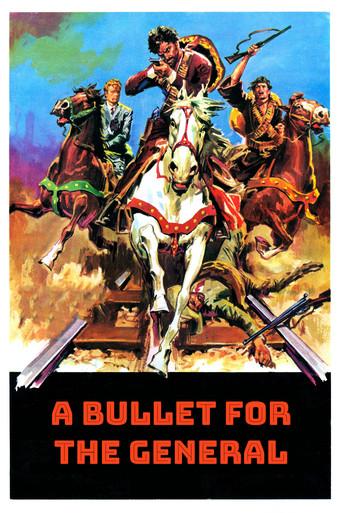
El Chuncho's bandits rob arms from a train, intending to sell the weapons to Elias' revolutionaries. They are helped by one of the passengers, Bill Tate, and allow him to join them, unware of his true intentions.
A Bullet for the General

Jesus 'Chuy' Aceves and a dozen living members of his extended family suffer from the very rare condition of congenital hypertrichosis, meaning they were born with excessive hair on their faces and bodies. Due to their appearance, they suffer from discrimination in all areas of their lives: the children are made fun of at school and abandoned by their 'non-hairy' parents, and the adults cannot find work unless they choose to exhibit themselves as freaks in circuses. This moving and visually arresting documentary is a portrait of Chuy and his family members. It examines their day-to-day lives and their struggle to find love, acceptance and employment.