

Overview
Jesus 'Chuy' Aceves and a dozen living members of his extended family suffer from the very rare condition of congenital hypertrichosis, meaning they were born with excessive hair on their faces and bodies. Due to their appearance, they suffer from discrimination in all areas of their lives: the children are made fun of at school and abandoned by their 'non-hairy' parents, and the adults cannot find work unless they choose to exhibit themselves as freaks in circuses. This moving and visually arresting documentary is a portrait of Chuy and his family members. It examines their day-to-day lives and their struggle to find love, acceptance and employment.
Top Cast

Jesús Aceves
himself
María Victoria Peña Flores
María Araceli Fajardo Peña
Luis Abraham Cervantes Aceves
Mario Alberto Vázquez Cervantes
María del Carmen Aceves Martínez
Glaydy Janeth Cervantes Aceves
Derian Josué Cervantes Aceves
MAría de Jesús Aceves Díaz
Karla Michelle Aceves Díaz
Jeimy María González Gómez
Maily González Gómez
Key Film Crew
Production Stats
You May Also Like

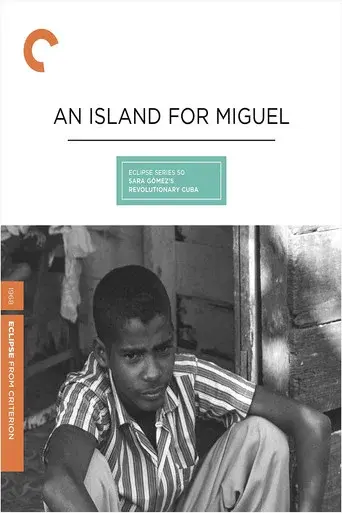
In this film, Sara Gómez documents the everyday life of the Isla de Pinos, the discussions about the problems of construction, the school and the leisure activities of the youth in 1968 and contextualizes these images with Frantz Fanon's thoughts about the construction of a nation through decolonization.
An Island for Miguel


Samba, Popping, and Jazz. Through these dance styles and documentary interviews, Bodies That Tell Stories seeks to discuss the standardization and whitening of dances that had their roots in Black people.
Corpos que Contam

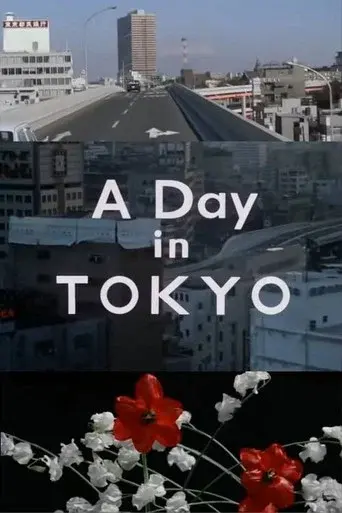
A Day in TOKYO in 1968, Nostalgic bygone era. Planned by Japan National Tourism Organization. Produced by Koga Production. This film was produced to explain Tokyo for foreign tourists.
A Day in Tokyo

A summary of the Dominican Republic's undefeated championship run in the 2013 World Baseball Classic.
Plátano Champion



Is the story of women that were guerrilleras in Uruguay at the beginning of the 70's. Under an intimate focus, the film shows the moments of decision and the personal crossroads that it involve. The documentary search the experience and the look of common individuals in exceptional situations and goes to the bottom of the load of tensions, fears, contradictions and personal costs that those labor instants of the History have.
Seven Moments

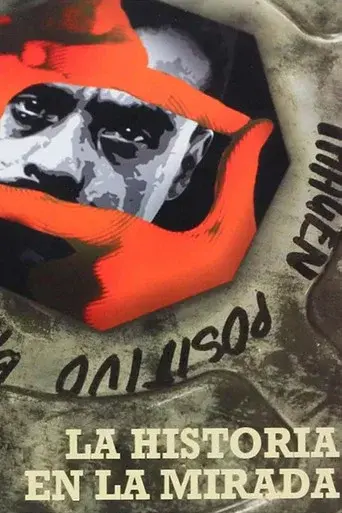
The film portraits the stage previous to the outbreak of the Mexican Revolution, from the end of Porfirio Díaz´ government, the social volatility, the ephemeral government of Madero and the presence of the working class in the figures of Villa and Zapata, until the signing if the Constitution of 1917. All of this through moving images, filmed during those events mainly by the Alva brothers, filmmakers of that time. Those images let us perceive the contradictory and shuddered glance of the people of that period.
The History in the Gaze
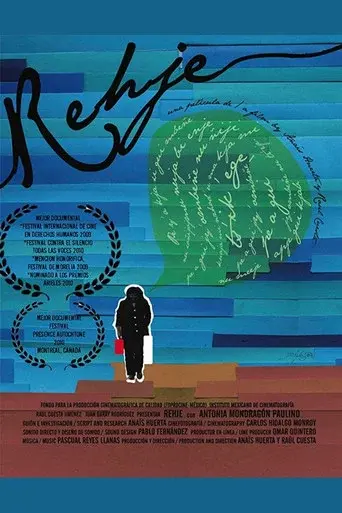
After forty years living in Mexico City, Antonia longs to go back to her home town, a Mazahua village in the state of Mexico. When she returns, she discovers many things, including that a scarcity of water threatens life in her community.
Rehje
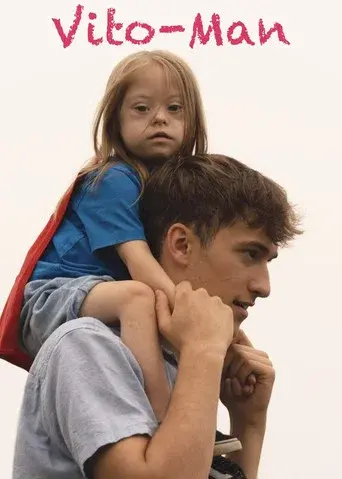
Vito is a sweet little boy with Down syndrome, and this short documentary puts his energetic, jolly personality on full display as he interacts with his loving family. By showing Vito’s dignity and inherent value, Vito-Man tackles the difficult conversation that is the eradication of people with Down syndrome, proving that an extra chromosome should not be a death sentence.
Vito-Man


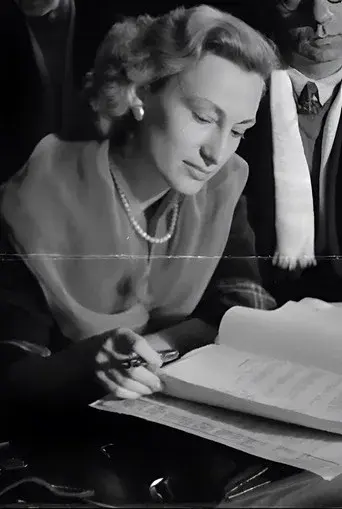
Made on the occasion of March 8, it presents a series of brief portraits of women, from various professional fields, of different ages and even of different ethnicities, pointing out the benefits that the communist organization had brought to their daily lives. A special emphasis is placed on their status as mothers and on the role of nurseries and socialist kindergartens not only in making their lives easier, but also in giving them the time they need to build a career. Another concern of the filmmaker, starting from the concrete case of one of the protagonists, is to highlight the differences between the happy present and the not-too-distant past in which someone with her social status should have dedicated herself exclusively to raising children, in hygienic and extremely difficult lives.