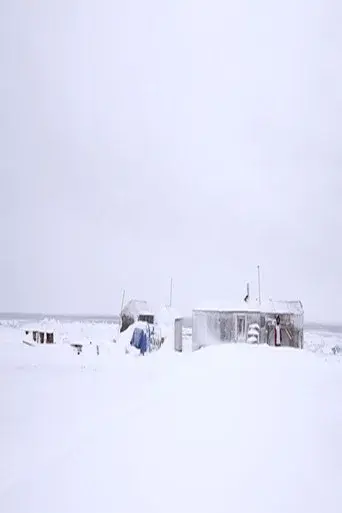
As I Am
Overview
This short experimental documentary challenges stereotypes about Indigenous people in the workplace. Featuring portraits set to a powerful poem by Mohawk writer Janet Marie Rogers, the film urges viewers to go beyond their preconceived notions. As I Am is a celebration of Indigenous people's pride in their work and culture.
Key Film Crew
Production Stats
You May Also Like

In 1977, Prince Charles was inducted as honorary chief of the Blood Indians on their reserve in southwestern Alberta. The ceremony, conducted in the great Circle of the Sun Dance, commemorated the centennial anniversary of the original signing of Treaty 7 by Queen Victoria.
A Pinto for the Prince

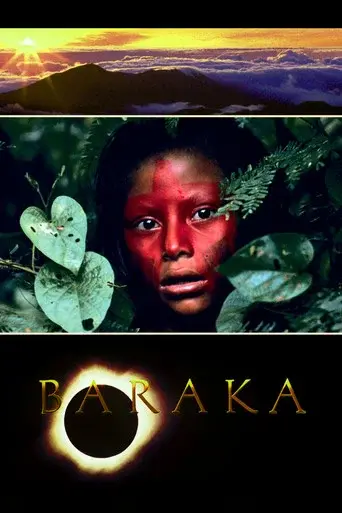
A paralysingly beautiful documentary with a global vision—an odyssey through landscape and time—that attempts to capture the essence of life.
Baraka


Two Lawalapiti young men from Alto Xingu learn to build a canoe from the bark of the jatobá tree, a quick and simple technique that leaves the tree still rooted and alive, and that has ceased to be used and is only known by the oldest Lawalapiti men.
Cidadão Jatobá
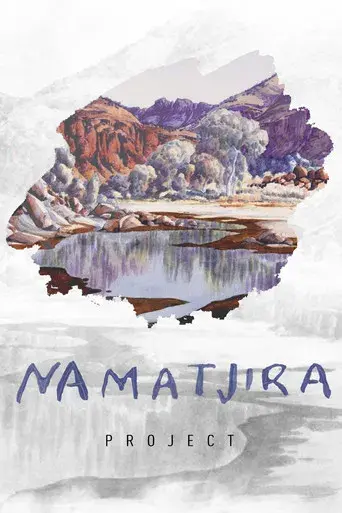
From the remote Australian desert to the opulence of Buckingham Palace - Namatjira Project is the iconic story of the Namatjira family, tracing their quest for justice.
Namatjira Project
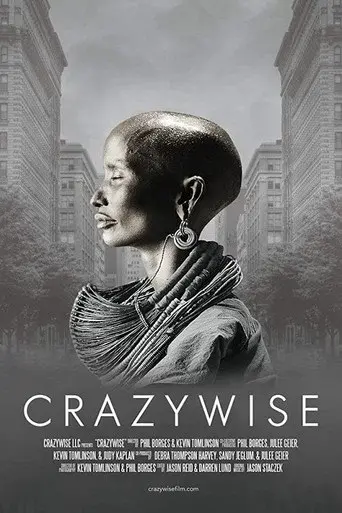
Western culture treats mental disorders primarily through biomedical psychiatry, but filmmakers Phil Borges and Kevin Tomlinson reveal a growing movement of professionals and survivors who are forging alternative treatments that focus on recovery and turning mental “illness” into a positive transformative experience.
Crazywise


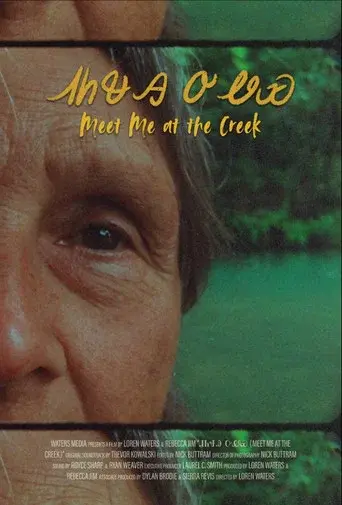
Waters’ LIFT project, ᏗᏂᏠᎯ ᎤᏪᏯ (Meet Me at the Creek), is the fourth of a quartet of films, and focuses on interconnectedness and Cherokee values through the lifelong fight of Rebecca Jim, a Cherokee Nation citizen and waterkeeper warrior, as she leads the effort to restore Tar Creek in Miami, Oklahoma.
Meet Me at the Creek
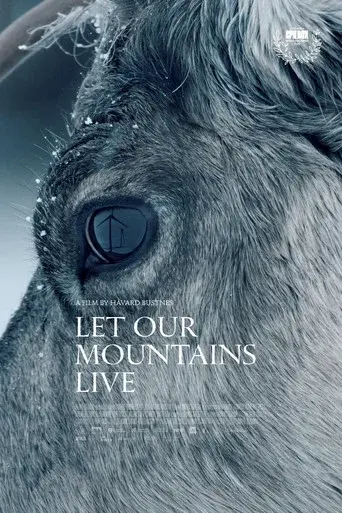
Sami reindeer herders win a Supreme Court victory against Europe’s largest wind farm - but when the state refuses to act, their fight reveals a deeper crisis of justice and trust.
Let Our Mountains Live


In the 1950's, Jews coming from North Africa and the Middle East settled in the newly constituted State of Israël. The Mizrahim, as their are called, were denied their right to a better life and forced to move to development towns in the Negev Desert. Today, the new generations of Mizrahim still suffer from this policy conducted 70 years ago. Michale Boganim follows the footsteps of her father, who came from Morocco and quickly became a leader of the local Israeli Black Panthers to stand against this discrimination. She embarks on a road trip through Israël's history to meet with three generation of Mizrahims.