
Overview
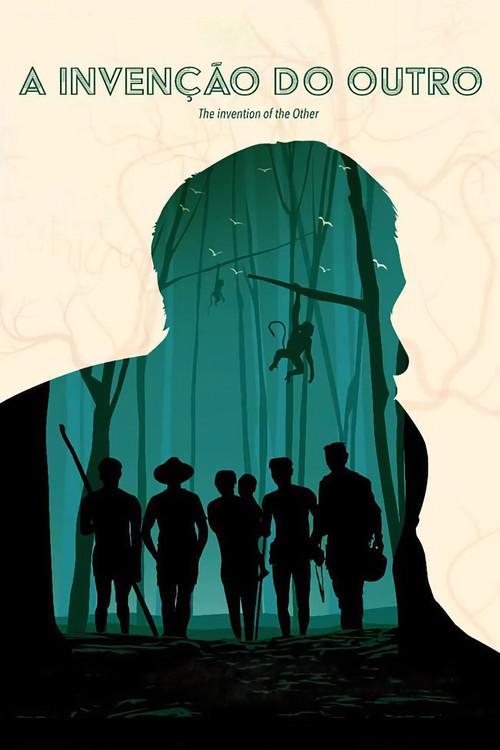
In 2019, the Brazilian government coordinates the largest and riskiest expedition of the last decades into the Amazon rainforest to search for a group of isolated indigenous people in vulnerability and promote their first contact with non-indigenous. Bruno Pereira, who would later be murdered in the same region and turned into an international symbol in favor of the indigenous and the forest, leads the expedition.
Top Cast

Bruno Pereira
Self
Bernardo Natividade
Self
Takvan Vakwë Korubo
Self
Xuxu Korubo
Self
Lucas Albertoni
Self
Jair Condor
Self
Key Film Crew
Production Stats
You May Also Like

In 1977, Prince Charles was inducted as honorary chief of the Blood Indians on their reserve in southwestern Alberta. The ceremony, conducted in the great Circle of the Sun Dance, commemorated the centennial anniversary of the original signing of Treaty 7 by Queen Victoria.
A Pinto for the Prince

A paralysingly beautiful documentary with a global vision—an odyssey through landscape and time—that attempts to capture the essence of life.
Baraka

Two Lawalapiti young men from Alto Xingu learn to build a canoe from the bark of the jatobá tree, a quick and simple technique that leaves the tree still rooted and alive, and that has ceased to be used and is only known by the oldest Lawalapiti men.
Cidadão Jatobá
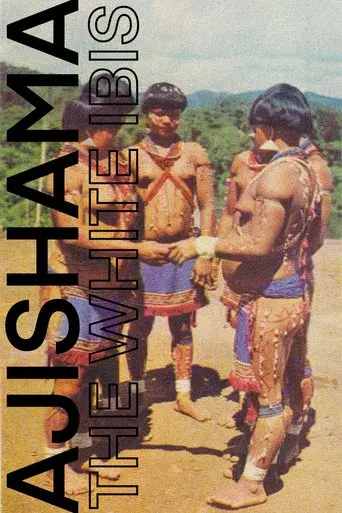
Shot in Venezuela over a 30-year period, this documentary depicts the life and work of José Maria Korta, the controversial Jesuit Missionary with the Ye'kwana people of the Amazon.
Ajishama, The White Ibis

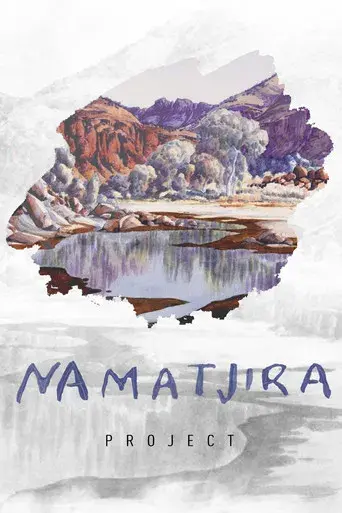
From the remote Australian desert to the opulence of Buckingham Palace - Namatjira Project is the iconic story of the Namatjira family, tracing their quest for justice.
Namatjira Project
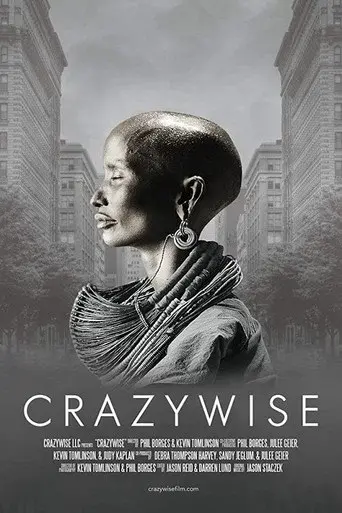
Western culture treats mental disorders primarily through biomedical psychiatry, but filmmakers Phil Borges and Kevin Tomlinson reveal a growing movement of professionals and survivors who are forging alternative treatments that focus on recovery and turning mental “illness” into a positive transformative experience.
Crazywise
It’s spring in the Ecuadorian Amazon and the Uyantza festival is underway with the community celebrating all that the forest has to offer. Meanwhile, news is breaking around the world that a novel virus is spreading and a state of emergency is declared across the country. As people test positive for COVID-19 in the community, some families decide to leave and head deeper into the jungle. Disconnected from school, friends, the internet, and work, one family learns to reconnect with life in the forest. The children begin to unlearn the national curriculum, and instead are taught Indigenous knowledge that mainstream schools normally pass over. As COVID-19 wreaks havoc around the planet, the family reconnect to their ancestral ways, but as news arrives that Ecuador’s lockdown will end soon, will the family choose to return?
The Return
Waters’ LIFT project, ᏗᏂᏠᎯ ᎤᏪᏯ (Meet Me at the Creek), is the fourth of a quartet of films, and focuses on interconnectedness and Cherokee values through the lifelong fight of Rebecca Jim, a Cherokee Nation citizen and waterkeeper warrior, as she leads the effort to restore Tar Creek in Miami, Oklahoma.
Meet Me at the Creek
Sami reindeer herders win a Supreme Court victory against Europe’s largest wind farm - but when the state refuses to act, their fight reveals a deeper crisis of justice and trust.
Let Our Mountains Live

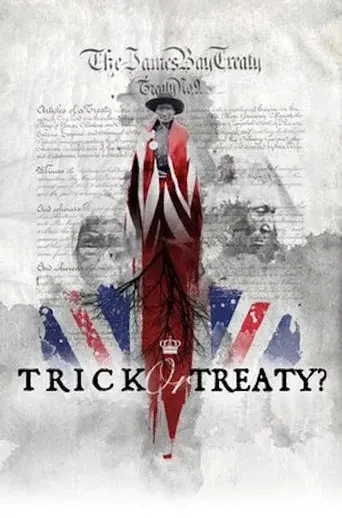
Legendary Canadian documentarian Alanis Obomsawin digs into the tangled history of Treaty 9 — the infamous 1905 agreement wherein First Nations communities relinquished sovereignty over their traditional territories — to reveal the deceptions and distortions which the document has been subjected to by successive governments seeking to deprive Canada’s First Peoples of their lands.
Trick or Treaty?

Yo hablo a Caracas (1978), the first documentary by Carlos Azpúrua, is marked by the luminous presence of the Yekuana shaman Barné Yavarí. This elder from the Amazonian forest articulates two powerful and prophetic warnings: first, a demand for respect toward the sovereignty of Indigenous beliefs and culture; second, a grave denunciation of the threat posed by “criollo” presence and its economically irrational logic to the natural balance of the Amazon. Through Yavarí’s voice, the film contrasts modern exploitation with a millennia-old Indigenous worldview grounded in harmony with nature, turning the documentary into an early and resonant plea for cultural dignity and ecological consciousness.