Overview
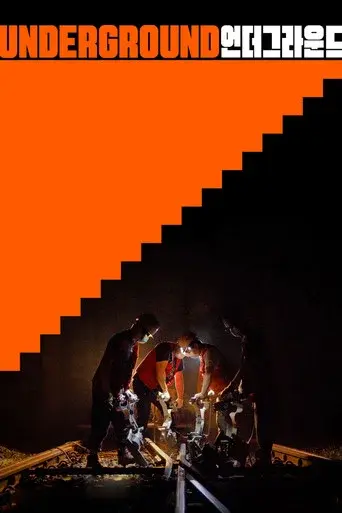
The drastic economic development in South Korea once surprised the rest of the world. However, behind of it was an oppression the marginalized female laborers had to endure. The film invites us to the lives of the working class women engaged in the textile industry of the 1960s, all the way through the stories of flight attendants, cashiers, and non-regular workers of today. As we encounter the vista of female factory workers in Cambodia that poignantly resembles the labor history of Korea, the form of labor changes its appearance but the essence of the bread-and-butter question remains still.
Top Cast

Kim Jin-sook
Self
Key Film Crew
Production Stats
You May Also Like
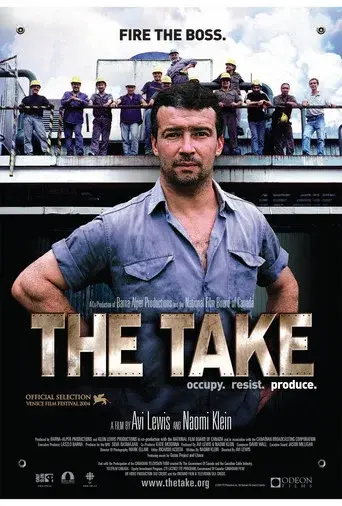
In suburban Buenos Aires, thirty unemployed ceramics workers walk into their idle factory, roll out sleeping mats and refuse to leave. All they want is to re-start the silent machines. But this simple act - the take - has the power to turn the globalization debate on its head. Armed only with slingshots and an abiding faith in shop-floor democracy, the workers face off against the bosses, bankers and a whole system that sees their beloved factories as nothing more than scrap metal for sale.
The Take


Three people live in Doosan Apartment in Guro-dong. Me, mom, and my grandfather. Even though it has been 12 years since dad died, we are still living under the same roof. I thought it was because of the financial situation that we could not move out of grandfather’s house. But when I found out that mom already had enough money to get a house, I became confused. Why didn’t mom move out from the “x-world” when she could? From a marriage that didn’t work out well, to a father-in-law with a temper. Why has she been enduring it, unchanging, for all the time I had witnessed her life to become a woman against marriage? One day when my anxiousness was at its peak, grandfather suggested that we live separately. Mom, reluctant to leave Guro-dong that she’d been living in for 20 years and her marriage life, will she be able to find herself and move out well?
Welcome to X-world


Over 98 days from August 20th to November 25th 2013, 2821 people from around the world sent 11,852 video featuring many different faces of Seoul. 154 were selected, edited, and made into a movie.
Bitter, Sweet, Seoul
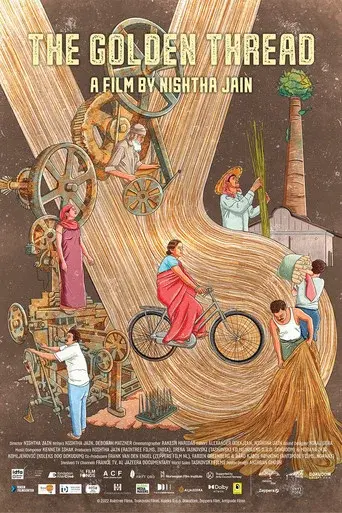
In the heyday of the jute industry, millions of people in Bengal made their living doing this laborious work, which has hardly changed since the industrial revolution. The 100-year-old machinery has been endlessly repaired. State aid kept this sustainable alternative to plastic going, but its future looks bleak.
The Golden Thread

Documentary that shows the changing attitude towards immigrant labor in The Netherlands. The documentary follows three immigrants that arrived in Holland 30 years ago to work in a bakery.
Aan ons den arbeid
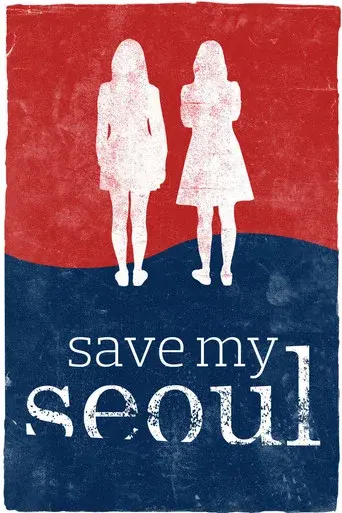
Eddie and Jason, two Korean-American brothers get in over their heads when they are called to Korea to make a short film on prostitution and sex-trafficking. Things get complicated when they meet Crystal and Esther, two prostitutes who reveal just how deep the problem goes and set off on a dangerous mission to capture the truth. With the use of hidden cameras and access to pimps, johns, and sex-workers, the filmmakers explore and unravel the complexity of the sex trade in Seoul. They learn that this problem is rooted in issues far deeper than exploited girls and lustful men. Instead, it's a consequence of a culture and government that condones and turns a blind eye to the biggest human injustice of our time.
Save My Seoul

In this short film, we follow the life cycle and transformation of sugarcane from harvesting, through the milling and boiling process, culminating in the production of the molasses stage. The film focuses on the historical character and community life in a rural area of the high hinterland of Paraíba. It is a record of the knowledge of the workers at the Silva sugar mill through sound experiments and comedic interludes.
O Ponto do Mel

A special documentary produced for the 30th anniversary of the Seoul Olympics, 88/18 looks back at South Korea in the 1980s as the nation raced toward the Games. Through archival footage and reflection, the film examines how the 1988 Seoul Olympics brought profound changes that extended far beyond sport, reshaping Korean society itself.
88/18
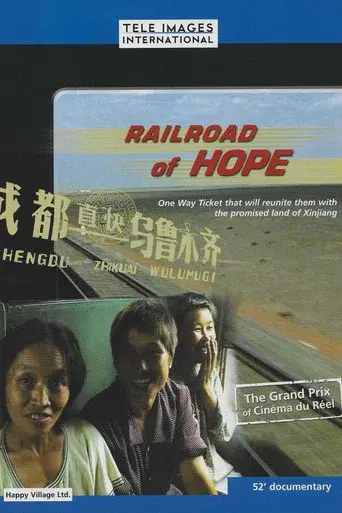
Railroad of Hope consists of interviews and footage collected over three days by Ning Ying of migrant agricultural workers traveling from Sichuan in China's interior, to the Xinjiang Autonomous Region, China's northwest frontier.[1] Through informal interviews aboard the cramped rail cars, Ning Ying explores the hopes and dreams of the workers, many of whom have never left their homes before.
Railroad of Hope
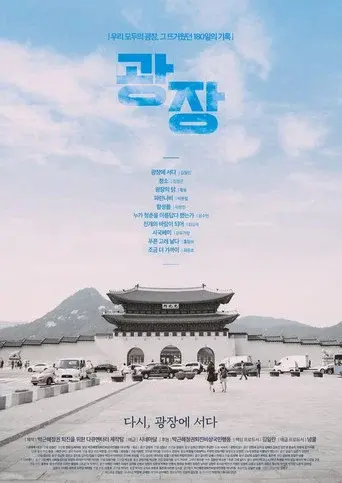
Project 1 _ Hong Hyung-sook The children who are enthusiastically painting and cutting a doll. What stories will be told at the Square? - Project 10 _ Kim Jeong-geun The janitorial worker from the Busan Subway Station, Kim Young-ja talks about how she hopes to see a clean world, just like how she cleans everywhere in the subway.
Candle in the Wave
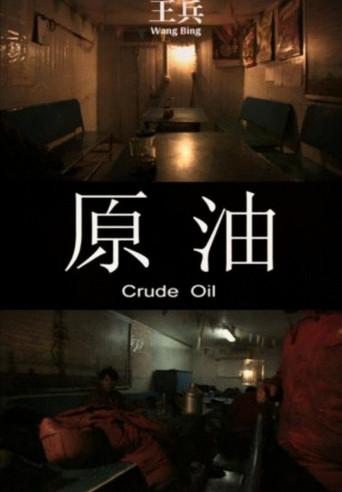
Filmed in the Inner Mongolian portion of the Gobi Desert, this film follows a group of oil field workers as they go about their daily routine.
Crude Oil
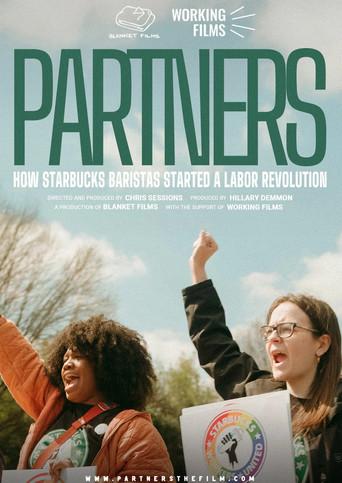
The story of how a group of baristas in Buffalo, New York announce their intention to form a labor union, and how Starbucks responds with an elaborate and illegal anti-union campaign. Featuring on-the-ground footage from workers and organizers, Partners takes us to the front lines of the historic union campaign that catalyzed America’s Gen Z labor revival.