Pickup's Tricks
Overview
Pickup's Tricks is a beat documentary of Hibiscus and the Cockettes, who were pioneers of San Francisco’s underground queer theater in the early '70s. It is a multifarious blend of sexual anarchy; a raucous and unscripted mix of liberation and elation as rough and spirited as the lifestyle that created it. The film profiles Hibiscus, founding member of the Cockettes, the psychedelic drag queens that performed midnight musicals at the Palace Theater in San Francisco. The film includes a rare screen appearance of Allen Ginsberg, clean-shaven and costumed in "acute drag" as a Yiddishe Mama with a painted-on third eye. (pickupstricks.com)
Top Cast
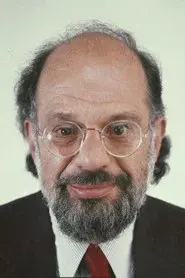
Allen Ginsberg
Self

Hibiscus
Self
Key Film Crew
Production Stats
You May Also Like
Entertainer Nathan Kennedy, who speaks Gayle, the South African cant that flourished during the Apartheid era, meets Louis van Brakel, a much older user of the secret language, and interviews him on stage at the Showroom, Prince Albert.
The Men Who Speak Gayle

In this intimate portrayal of friendship, patience, and transformation, filmmaker Pierce McCleary follows Buffalebrity drag trio She Lives through a night of convoluted, cross-dressing chaos. Will she ever make it?!
SHE LATE!
A follow-up to "The Leader, His Driver, and the Driver's Wife", about the history of the far-right group AWB and its leader Eugene Terre'Blanche.
His Big White Self
The life story of Bisi Alimi, who went from being an anti-gay prosthelytize, preaching hell fire and damnation to those who strayed, into becoming the first Nigerian to come out on national TV.
The Only Gay in Nigeria
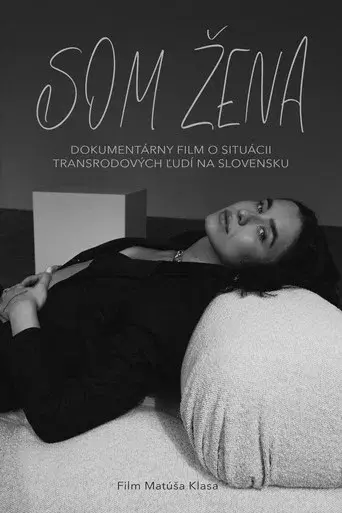
Documentary film about the life of a transgender woman, current political situation in Slovakia and the power of hatred.
I am a Woman

The original documentary on the Wigstock festival, back in the day when it was a much smaller affair in Thompkins Square Park. A full day of peace, love, and wigs…
Wigstock: The Movie

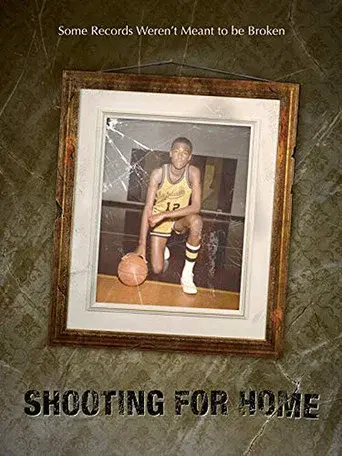
Banished from his racially-charged Florida town, African American basketball star Kevin Bradshaw was homeless before getting called to play professionally in Israel. There, he fell in love with a woman-and a country-and would discover the strength to see his family for the first time in twenty years.
Shooting for Home

Experimental documentary short starring Batato Barea and Peter Pank, filmed in July 1991
Batato
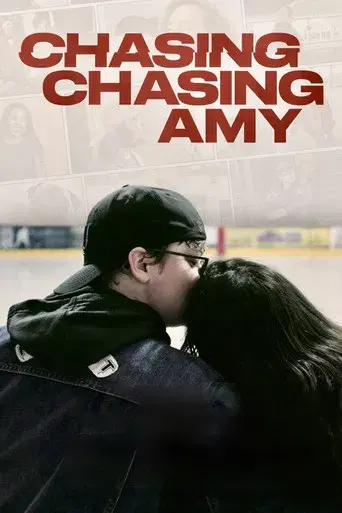
CHASING CHASING AMY explores the transformational impact of a ‘90s rom-com on a 12 year old kid from Kansas, coming of age and contending with queer identity. For young Sav Rodgers, the Kevin Smith cult classic, CHASING AMY, became a life raft. As Rodgers examines the film and its making as a cornerstone of LGBTQ+ cinema, he finds himself at a complicated crossroads.
Chasing Chasing Amy
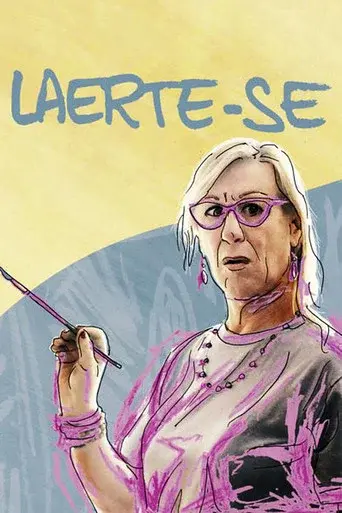
In this film, Laerte conjugates the body in the feminine, and scrutinizes concepts and prejudices. Not in search of an identity, but in search of un-identities. Laerte creates and sends creatures to face reality in the fictional world of comic strips as a vanguard of the self. And, on the streets, the one who becomes the fiction of a real character. Laerte, of all the bodies, and of none, complicates all binaries. In following Laerte, this documentary chooses to clothe the nudity beyond the skin we inhabit.
Laerte-se


ḤARAM is an essay film portraying the urgent contemporary situation at the Haram Al Sharif/ Noble Sanctuary in the Old City of Jerusalem reflecting on the growing Temple Mount Faithful movement whose goal is to build the Jewish Third Temple on this holy landscape and in turn to assert Jewish sovereignty over this holy Muslim site.
ḤARĀM
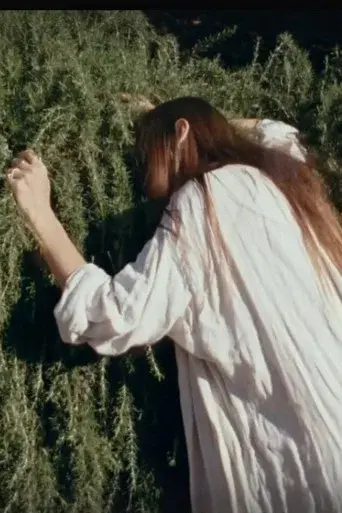
VIVA ÁGUA is a meditation on the philosophical work entitled ÁGUA VIVA written by Clarice Lispector in 1973. The film reflects on Lispector’s interior experimental monologue on the “instant-now” of time, the discomforts of language which are “beyond thought” and the harmonious dissonant reminders and remainders of that “sometime what is seen is ineffable.”
VIVA ÁGUA
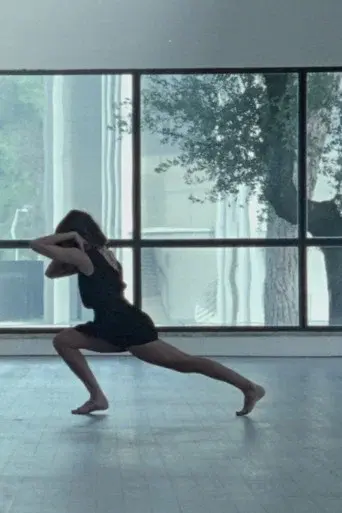
Anna, Pina, Teresa reinterprets the pivotal scene in Rossellini’s “Roma Città Aperta” where Anna Magnani, who plays the character Pina, (based on the story of Teresa Gullace,) is murdered on the streets of Rome by the Fascist police. This scene is characterized by three movements performed by Magnani — resistance, running and falling. Filmed in the Sala Scherma at Foro Italico in Rome (Mussolini’s fencing studio designed by Moretti) Anna, Pina, Teresa examines the contemporary and historical dynamics between an urban Fascist space and movements of resistance.