Overview
The first American documentary about Traditional (Non-Racist) Skinheads. Focuses on the 'cross of cultures' that came together to form the Skinhead identity: The origins of the Skinhead scene in England, its roots in Jamaican Reggae and Ska (mid-'60s) to its revival and global impact with 2 Tone, Punk, Oi, and Hardcore (late '70s to present day). Features interviews and live concert footage by current bands across these various musical genres in the United States, England and Germany; discussing their viewpoints on Skinhead, its Working Class values, and its continuing relevance around the world.
Key Film Crew
Production Stats
You May Also Like

The incredible true story of how a bunch of writers, artists, set designers, and back room technicians pooled their talents in order to outwit the German High Command and fool Hitler. Espionage, counterespionage, decoy airfields, inflatable tanks, guns, and soldiers are all deployed in the run up to D-Day to create a massive diversion and the strongest possible indication that the landings will be in Calais rather than Normandy. A whole invisible army is conjured up: FUSAG, the First US Army Group. Major General Patton is placed in charge of this army, such is its importance he is detained in Britain for several weeks after the Normandy landings in order to successfully convince Hitler that a second and larger set of landings will be staged in Calais.
Fooling Hitler
The video revolution of the 1970s offered unprecedented access to the moving image for artists and performers. This Is Not a Dream explores the legacies of this revolution and its continued impact on contemporary art and performance. Charting a path across four decades of avant-garde experiment and radical escapism, This Is Not a Dream traces the influences of Andy Warhol, John Waters and Jack Smith to the perverted frontiers of YouTube and Chatroulette, taking in subverted talk shows and soap operas, streetwalker fashions and glittery magic penises along the way.
This Is Not a Dream
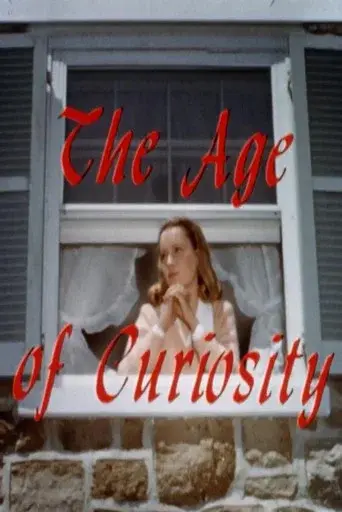
Promotional film for Seventeen intended to show how well the magazine knows and serves its teenage audience. The film observes teenage girls at home, in school, at work and play, and alone and with friends, zeroing in on teen concerns about dating, marriage, and adulthood.
The Age of Curiosity
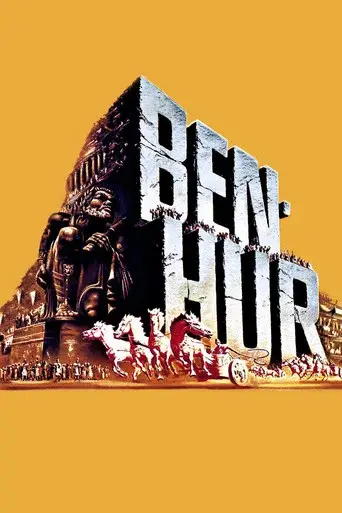
In ancient Judea, a Jewish aristocrat opposing Roman occupation of his homeland reunites with his childhood friend, now a Roman commander — setting in motion a saga of betrayal, adventure, tragedy, revenge, and faith.
Ben-Hur
Filmmaker Alain Resnais documents the atrocities behind the walls of Hitler's concentration camps.
Night and Fog

ḤARAM is an essay film portraying the urgent contemporary situation at the Haram Al Sharif/ Noble Sanctuary in the Old City of Jerusalem reflecting on the growing Temple Mount Faithful movement whose goal is to build the Jewish Third Temple on this holy landscape and in turn to assert Jewish sovereignty over this holy Muslim site.
ḤARĀM
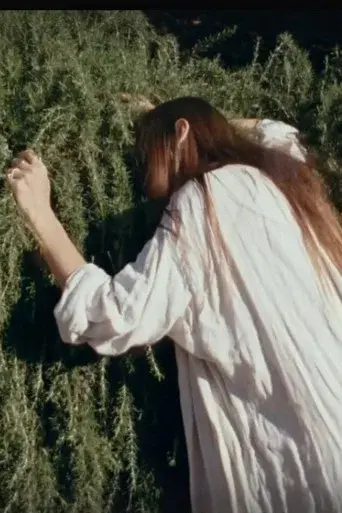
VIVA ÁGUA is a meditation on the philosophical work entitled ÁGUA VIVA written by Clarice Lispector in 1973. The film reflects on Lispector’s interior experimental monologue on the “instant-now” of time, the discomforts of language which are “beyond thought” and the harmonious dissonant reminders and remainders of that “sometime what is seen is ineffable.”
VIVA ÁGUA
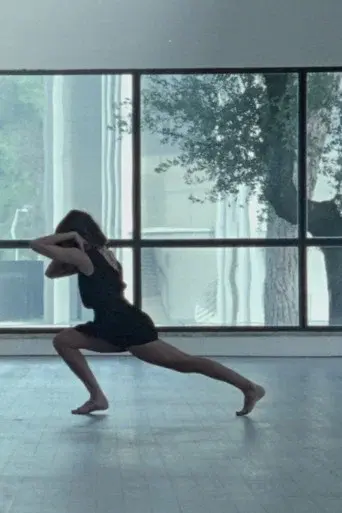
Anna, Pina, Teresa reinterprets the pivotal scene in Rossellini’s “Roma Città Aperta” where Anna Magnani, who plays the character Pina, (based on the story of Teresa Gullace,) is murdered on the streets of Rome by the Fascist police. This scene is characterized by three movements performed by Magnani — resistance, running and falling. Filmed in the Sala Scherma at Foro Italico in Rome (Mussolini’s fencing studio designed by Moretti) Anna, Pina, Teresa examines the contemporary and historical dynamics between an urban Fascist space and movements of resistance.
Anna Pina Teresa
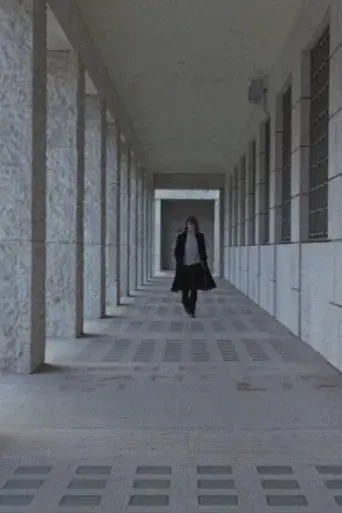
E42 is a cinematic exploration of the area in Rome knows as the EUR, a modernist landscape that was originally designated by Mussolini as the the site of the World Fair of 1942 and as a celebration of the 20 year anniversary of Fascism. Originally designed as a monumental space for public performance and collective acts of solidarity to the Fascist regime, this landscape was in fact never inaugurated. After the war, the 420 acre area was recuperated and today projects a timeless aura of an unfinished and temporary, empty and silent, monumental and imposing as well as an ephemeral landscape.
E42
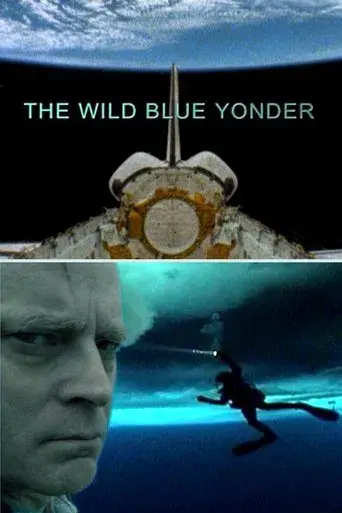
An alien narrates the story of his dying planet, his and his people's visitations to Earth and Earth's self-made demise, while human astronauts in space are attempting to find an alternate planet for surviving humans to live on.
The Wild Blue Yonder

Outlines the history of 40 years of the skinhead subculture, beginning with the most recent versions of the culture.
Skinhead Attitude
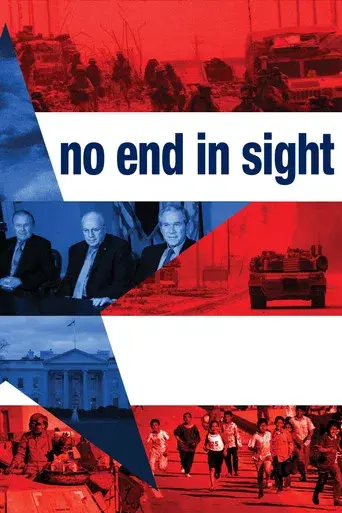
Chronological look at the fiasco in Iraq, especially decisions made in the spring of 2003 - and the backgrounds of those making decisions - immediately following the overthrow of Saddam: no occupation plan, an inadequate team to run the country, insufficient troops to keep order, and three edicts from the White House announced by Bremmer when he took over.
No End in Sight

Director Peter Judson's semifictitious tale opens a revealing window into the indie filmmaking process, capturing the trivialities, aggravations and enthusiasm that go into completing a picture. Using footage from an indie movie set, e-mails constructing a plotline about distributor difficulties and interviews with indie mainstays such as Steve Buscemi and Sam Rockwell, the film provides a riveting look at one producer's rejections and rewards.