Dragan Wende - West Berlin
Overview
Dragan Wende has lived in Berlin since the '70s and has seen the city change through the years. His nephew comes to live with him as Dragan remembers the better days he lived as a Yugoslavian immigrant in a divided city.
Top Cast

Dragan Wende
Himself

Rolf Eden
Himself
Key Film Crew
Production Stats
You May Also Like

Megacities is a documentary about the slums of four different metropolitan cities.
Megacities


A more experimental aproach to labor protection films. In the line of Săucan's style, the soundtrack is as important as the image, the threatening music, full of shrillness, composed by Ion Dumitrescu potentiating the visual construction that mixes - in a montage reminiscent of the Soviet avant-garde school of the 1920s - all kinds of shooting techniques and frame combinations.
Open files


Documentary examines the history and evolution of the Olympic Games, taking a close look at the Olympic charter, oath and ideals. Also featured are rare home movies and interviews with Olympic athletes and the oldest known color footage of the Olympic Games from Berlin in 1936.
Spirit of the Games

Seekers of Oblivion explores the exciting life and adventures of Isabelle Eberhardt. Born in Geneva, Switzerland in 1877, Isabelle left Europe for North Africa at a young age. While there, she consorted with tramps, prostitutes, soldiers, murderers and thieves, at times masquerading as a man in orde.
Seekers of Oblivion
Music documentary about Billo Frómeta by director Rafael Marziano Tinoco from Venezuela.
Swing con Son

Jesus Was a Commie presents modern society with questions and leads the audience on a dialectical journey. The film challenges the viewer to seek their own answers and personal truths.
Jesus Was a Commie

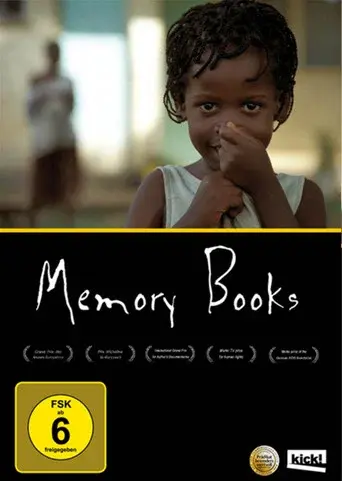
In Uganda, AIDS-infected mothers have begun writing what they call Memory Books for their children. Aware of the illness, it is a way for the family to come to terms with the inevitable death that it faces. Hopelessness and desperation are confronted through the collaborative effort of remembering and recording, a process that inspires unexpected strength and even solace in the face of death.
Memory Books


A film about three teenagers - Klara, Mina and Tanutscha - from the Berlin district of Kreuzberg. The trio have known each other since Kindergarten and have plenty in common. The three 15-year-olds are the best of friends; they are spending the summer at Prinzenbad, a large open-air swimming pool at the heart of the district where they live. They're feeling pretty grown up, and are convinced they've now left their childhood behind.
Prinzessinnenbad
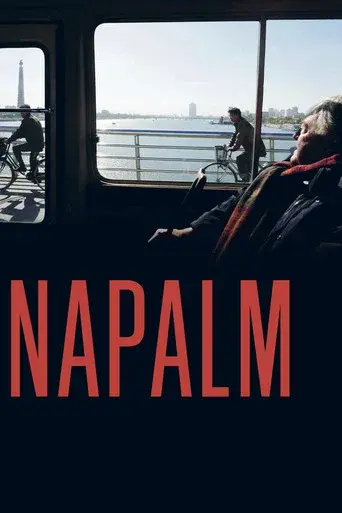
Napalm is the story of the breathtaking and brief encounter, in 1958, between a French member of the first Western European delegation officially invited to North Korea after the devastating Korean war and a nurse working for the Korean Red Cross hospital, in Pyongyang, capital of the Democratic People’s Republic of Korea.
Napalm
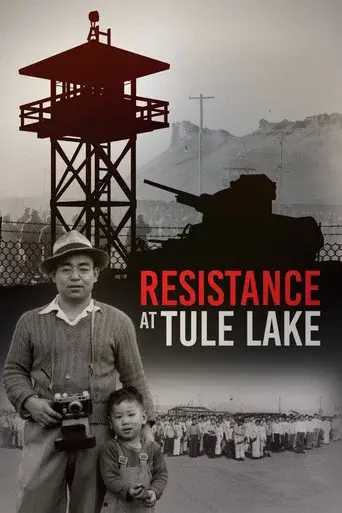
The long-suppressed story of 12,000 Japanese Americans who dared to resist the U.S. government's program of mass incarceration during World War II. Branded as 'disloyals' and re-imprisoned at Tule Lake Segregation Center, they continued to protest in the face of militarized violence, and thousands renounced their U.S. citizenship. Giving voice to experiences that have been marginalized for over 70 years, this documentary challenges the nationalist, one-sided ideal of wartime 'loyalty.'
Resistance at Tule Lake
Lisa is a middle-class white woman from Toronto, Canada. She's also addicted to crack cocaine. To maintain her habit, she works as a prostitute while living in a hotel room. She's tried to get clean, but knows too well how easy it is to relapse. Meanwhile, she participates in Toronto's needle exchange program to reduce her risk.
Cracked Not Broken

A documentary about the history of settler groups that came to New Zealand from Europe.
New Country - New People


At the beginning of the 70s, Sahia Studio produced a number of social investigations commissioned by the Central Committee of the Romanian Communist Party, intended to expose the so-called "social parasitism". The decision was taken after the theses of July 1971, which provide that "one of the main objectives of political work, especially among the youth, is the firm fight against the tendencies of parasitism, of an easy life, without work, the cultivation of responsibility and the duty to work , in the service of the country, the people, the socialist society". The most famous films, made with the competition of the Ministry of the Interior and the Ministry of Justice, are Să treacă vara and Iarna unor pierde vară
Winter of a slacker
The film's protagonists are the orphaned children taken into custody by the state and institutionalized at Children's House no. 6 from Bucharest. For Mészáros, the concern for the situation of children left orphaned during the Second World War is autobiographical: the director directly experienced the absence of parents in her own childhood.