
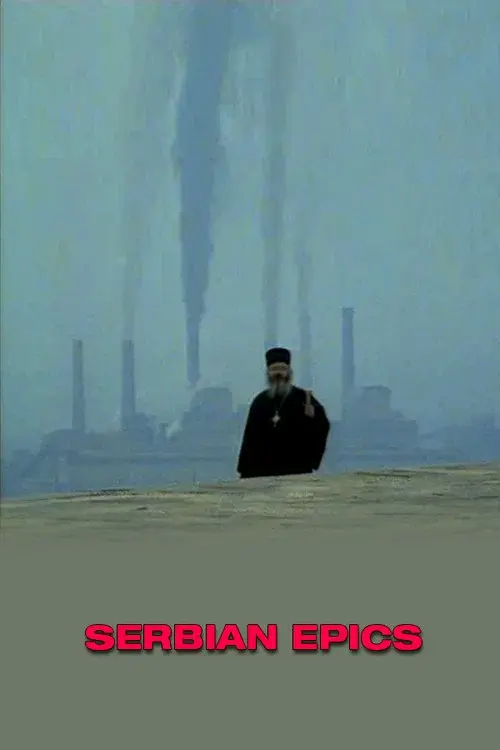
Serbian Epics
Overview
Paul Pawlikowski's award-winning documentary on life behind Serbian lines in Bosnia. The film observes the roots of the extreme nationalism which has torn apart a country and provides a chilling examination of the dangerous power of ancient nationalist myths.
Top Cast

Radovan Karadžić
Self

Ratko Mladić
Self

Biljana Plavšić
Self

Eduard Limonov
Self
Key Film Crew
Production Stats
You May Also Like
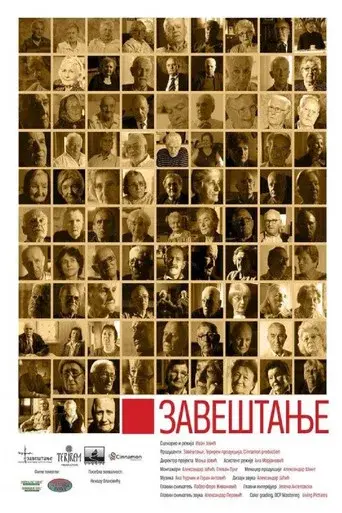
In this film the last living witnesses of the events from Second World War are telling their stories and thus transferring silenced victim’s voices to present times.
Legacy

A documentary about vivid punk and alternative rock scene of Subotica, the northernmost Serbian city, through the periods of communism, tyranny of the 1990s regime, and economic transition at the beginning of XXI century. Seen through the eyes of its witnesses, these musicians and creative artists deliberately refused the imposed way of behavior, hence staying "invisible" to everyday people.
Invisible Nation
The carnage in Sarajevo provides the focus of this French documentary which seeks to call attention to the terrible conflict in the hopes of finally ending it. The film is divided into five parts. Each part covers a time frame ranging from April 4, 1992, the beginning of the war, to the present. The major issues that occur are three-fold. It depicts the systematic genocide of Bosnians, the silence of Western countries, and the determination of the Bosnians to resist. They refuse to be seen as victims, even though the filmmakers portray them so. Also included are the origins and political aspects of the war. It offers interviews with participants. It also reveals how the U.S. State Department censored reports about Serbian death camps.
Bosnia!
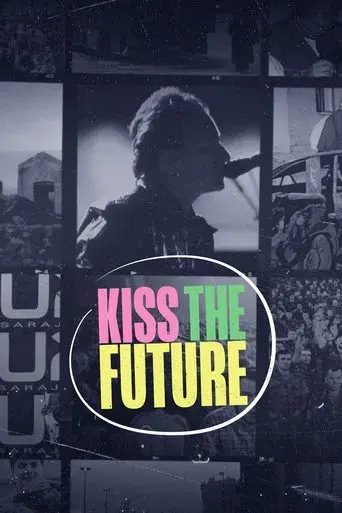
An exploration of the perils of nationalism and art’s role as a weapon of resistance and activism throughout the 1990s Siege of Sarajevo during the Bosnian War. Explore how art and music sustained hope, thanks in part to humanitarians and the band U2.
Kiss the Future


Jabir, Usama and Uzeir are three young brothers in a Sunni family of shepherds. Since childhood, their father Ibrahim has rigidly trained them in the principles of the Quran and has filled their minds with stories of the Bosnian War.
Brotherhood
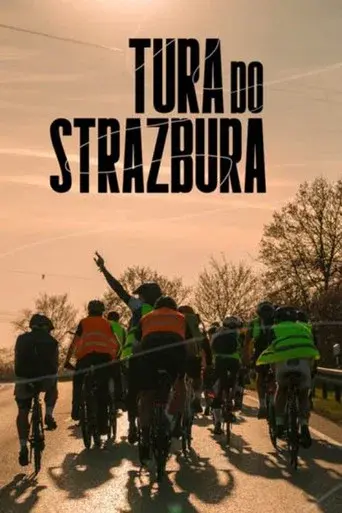
They started their 1400 km journey to the capital of Europe on bicycles from Novi Sad, Serbia. This trip, from a divided country that has been in a socio-political crisis for five months, since the tragedy at the Novi Sad railway station - they called it the trip of justice. Eighty students from Serbia cycled through 6 European countries and 15 large cities in 12 days. Festive welcomes, tears, song and laughter in the squares all over Europe. They were welcomed by the Serbian diaspora, but also by the leaders of the cities they passed through. They went to Strasbourg with the desire to be heard by Europe and the world and said "We are not driving to Europe to escape from Serbia. We are driving to bring it back."
Tour to Strasbourg
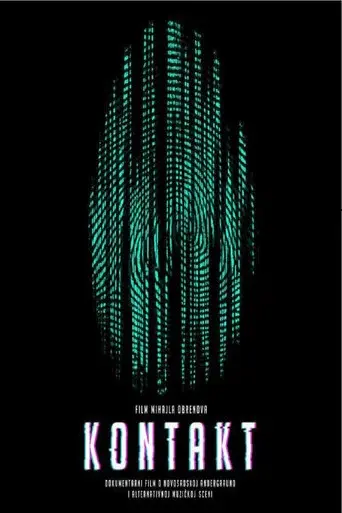
A documentary on alternative music scene of Novi Sad (Serbia) that covers the period between 1989 and 2017.
Contact
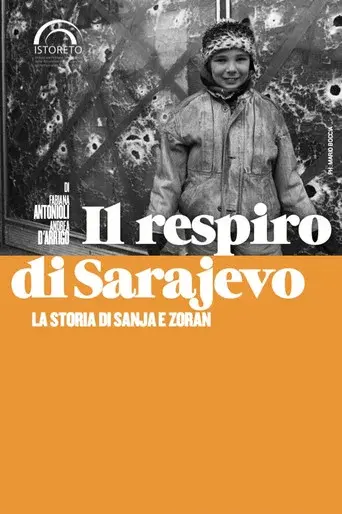
The extraordinary story of Sanja and Zoran, a couple who in 1993 fled and survived the siege of Sarajevo, the longest war in 20th century history, to find refuge in Italy, in Turin. In their life experience, past and present come together to give voice to friendship and hope, reflecting on war, prejudice, tolerance and acceptance.
Il respiro di Sarajevo

Filmmaker Sabina Vajraca documents her Bosnian Muslim family's return to their home of Banja Luka, Bosnia, to recover their stolen belongings many years after being forced to flee to the United States. In Bosnia, they witness the devastation of the city, visit war crimes sites, and confront the family that has been living in their former apartment -- with all their furnishings -- for a decade.
Back to Bosnia

A hotel in the centre of town is a war-time home and refuge for many of Sarajevo's homeless people. Every morning they leave the hotel and wander around the destroyed city gathering again at the defunct hotel in the afternoon. This film follows their separate fates through the bitter comparing of images of the bums with those of dogs abandoned by their owners and now left et the mercy of the war ravaged streets of Sarajevo.
Bums and Dogs


This film documents four delegated performances/castings, featuring participants who are both directly and indirectly actors of war: veterans, civilian victims, disabled individuals, or those traumatised by conflict. Applicants that have been seduced to participate in four castings of imaginary movie altogether agreeing to be part not only of an experimental film, but also of a subversive cinematic social experiment. They signed up for battle in the movie, and got an unexpectedly brutal lesson about conflict. They certainly, but so do we who watch it.
The Final Battle
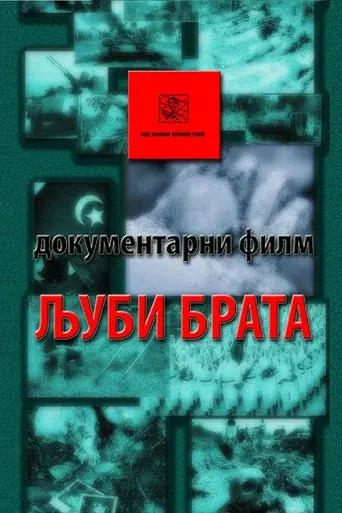
Documentary about the massacre of Bosniak army committed over soldiers of Republika Srpska during 1990s Bosnian wars.
Kiss the Brother

The 2022–23 season of FK TSC from Bačka Topola, Serbia, the year the club turns 110. The team finishes second in the Serbian SuperLiga, plays the UEFA Champions League qualifiers and reaches the Europa League group stage. The film follows the club and the town through that campaign.
The Blue Lions
On 11th of July 1995, the most mortifying crimes after World War II in Europe destroyed the Bosnian town of Srébrenica. Shootings and deportations beyondimagination were preceded by a betrayal of humaity: while 40,000 civilians were looking into the sky of Srébrenica, waiting for a sign from the international community, guaranteeing their protection, the headquarters of the United Nations decided to surrender. The betrayal kill 8,372 men, women and children. Sky above Srebrenica (101 minutes) is based on protocols of the secret crisis meetings of the UN headquarters. In a unique way never before released original material of the consequences is shown next to those who are responsible for these.
Sky Above Srebrenica
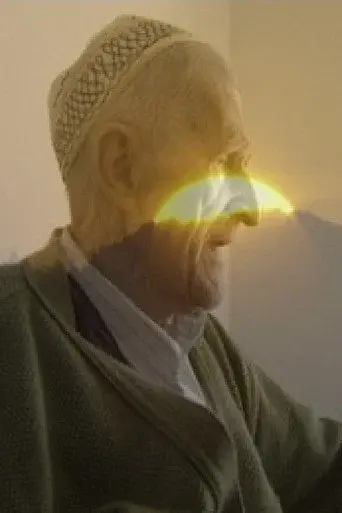
Hamdija Šahinpašić (1914-2003) was one of those rare individuals able to memorize songs in their authentic traditional form. Šahinpašić belonged to a family known for its songs. In the early 1950's, Miodrag A. Vasiljević recorded Šahinpašić singing dozen of songs at the Serbian Academy of Arts and Sciences in Belgrade. A 1967 publication finally included 300 of his songs, published bilingually in Bosnian and Russian. Šahinpašić himself become the focus of attention of numerous ethnomusicologists and folklorists and his repertoire was preserved on recording of good quality.