1939: Hollywood's Greatest Year
Overview
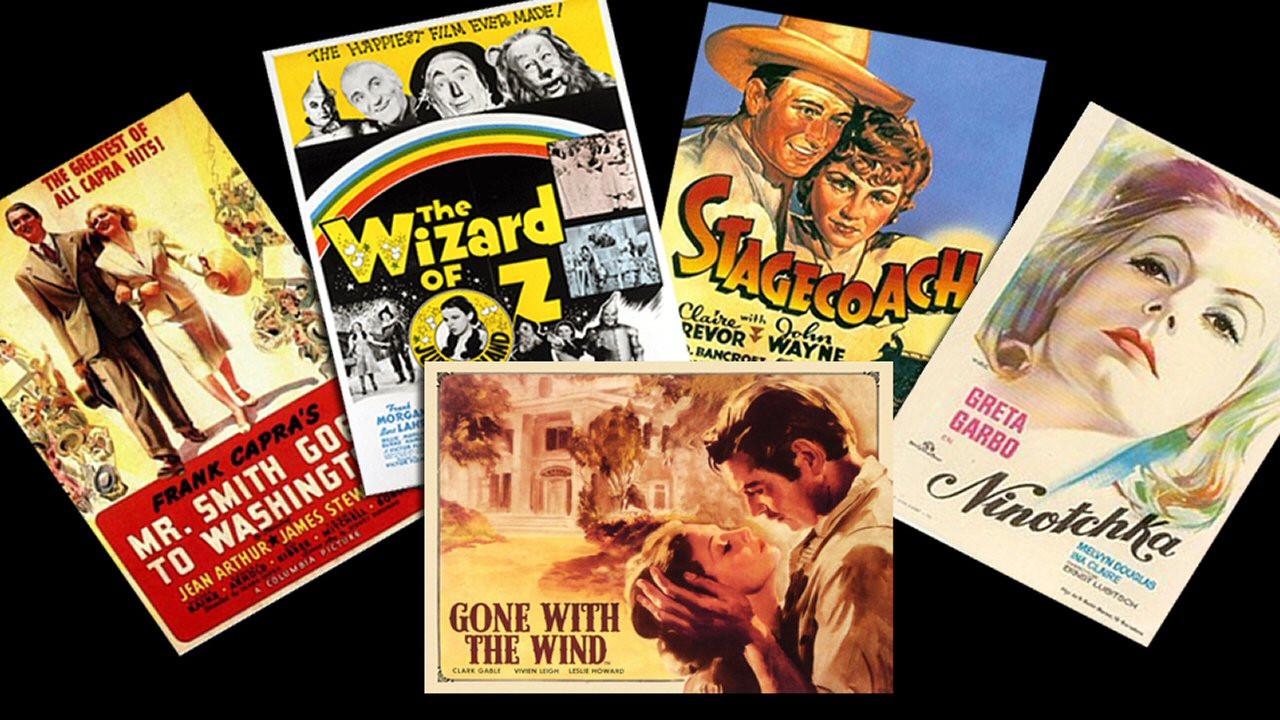
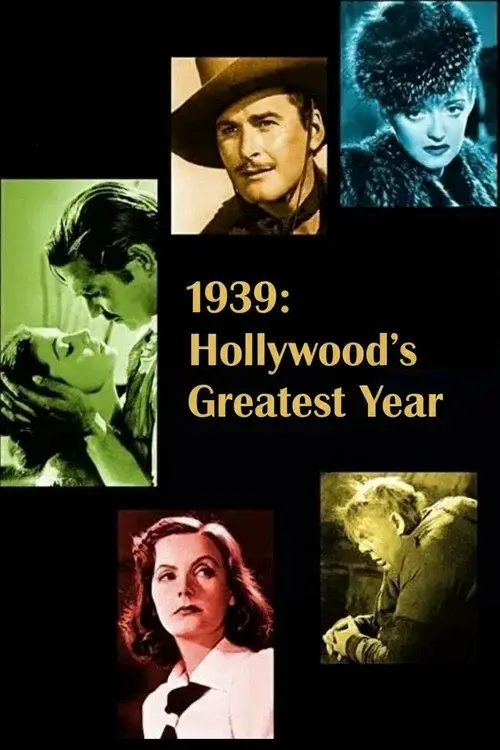
This documentary focuses on 1939, considered to be Hollywood's greatest year, with film clips and insight into what made the year so special.
Top Cast

Kenneth Branagh
Narrator (voice)
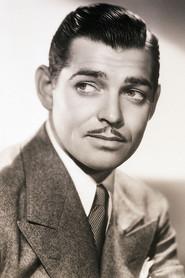
Clark Gable
Self (archive footage)

Vivien Leigh
Self (archive footage)

Olivia de Havilland
Self (archive footage)

Judy Garland
Self (archive footage)

Leonard Maltin
Self
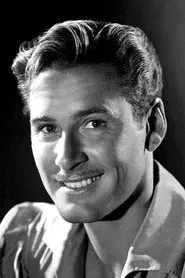
Errol Flynn
Self (archive footage)

Bette Davis
Self (archive footage)

Thomas Schatz
Self

F. X. Feeney
Self
Scott Eyman
Self

Jeanine Basinger
Self
Key Film Crew
Production Stats
You May Also Like

A poignant biography of one of the most successful and wildly-read writers of the 20th century. Her stories enthralled children everywhere but her personal struggles often proved too much.
Enid

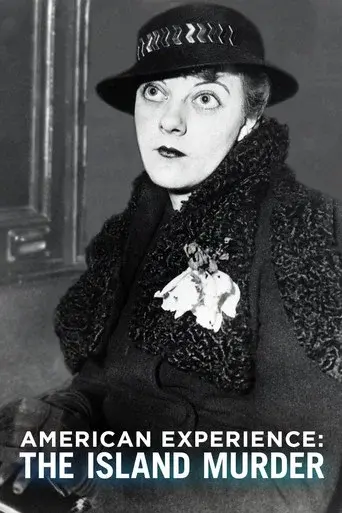
In the waning days of summer 1931, Honolulu's tropical tranquility was shattered when a young Navy wife made a drastic allegation of rape against five nonwhite islanders. What unfolded in the following days and weeks was a racially-charged murder case that would make headlines across the nation, enrage Hawai'i's native population, and galvanize the island's law enforcers and the nation's social elite.
The Massie Affair

A dramatization of the relationship between heart surgery pioneers Alfred Blalock and Vivien Thomas.
Something the Lord Made

A shy and quiet World War II evacuee is housed by a disgruntled old man, and they soon develop a close bond.
Goodnight, Mister Tom
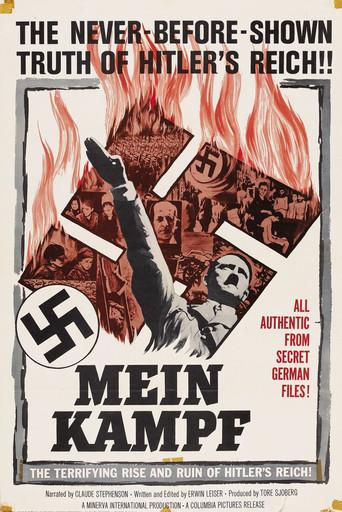
Using exclusively archival footage, Erwin Leiser traces the rise and collapse of the Third Reich, from Adolf Hitler’s early years to the devastation of Europe and his suicide in 1945. The film draws heavily on material produced and preserved by the Nazi propaganda apparatus to confront the mechanisms, imagery, and consequences of totalitarian power.
Mein Kampf

Ladies of good families and social standing come to have their afternoon tea with their daughters who will someday follow in the same tradition. A charming portrait of a time that is slowly disappearing.
Les dames du 9e

In the 1930s, three unsuccessful variety artists dream of making it big. When they hear about the rise of sound films in Hollywood, they see their chance: a language school for silent film stars will bring them fame and success. Full of hope, they travel to California, straight into the exciting world of the first sound film productions. But not everything goes as planned...
Drei gegen Hollywood
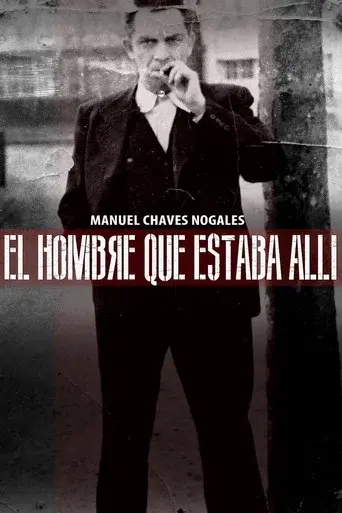
The Spanish journalist Manuel Chaves Nogales (1897-1944) was always there where the news broke out: in the fratricidal Spain of 1936, in Bolshevik Russia, in Fascist Italy, in Nazi Germany, in occupied Paris or in the bombed London of World War II; because his job was to walk, see and tell stories, and thus fight against tyrants, at a time when it was necessary to take sides in order not to be left alone; but he, a man of integrity to the bitter end, never did so.
The Man Who Was There

A variety of scientific subjects, including the laboratory of a plastic surgeon in London, and his method for applying permanent makeup; a new school for kiddies employing finger paint so they can express their urge to put things on paper; Army aviation, showing the latest development in blind landing. Produced in Cinecolor.
Popular Science J-8-1
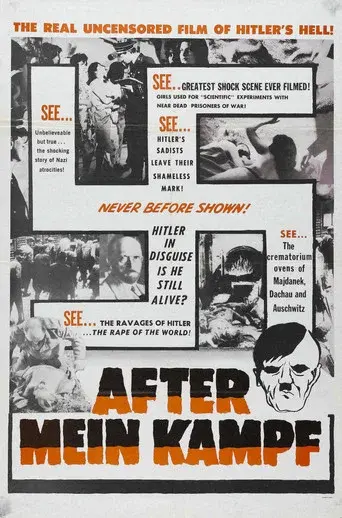
By combining actual footage with reenactments, this film offers both a documentary and fictional account of the life of Adolf Hitler, from his childhood in Vienna, through the rise of the Third Reich, to his final act of suicide in the waning days of WWII. The film also provides considerable, and often shocking, detail of the atrocities enacted by the Nazi regime under Hitler's command.
After Mein Kampf?

The film looks at men and women of color in the U.S. Merchant Marine from 1938-1975. Through chronicling the lives of these men and women who, with a median age of 82, are beset with a host of life-threatening illnesses, the movie tells how they navigated issues of racism, disparities in the workplace, gender and familial relations.
Salty Dog Blues
A poetic journey through the paths and places of old Castile that were traveled and visited by the melancholic knight Don Quixote of La Mancha and his judicious squire Sancho Panza, the immortal characters of Miguel de Cervantes, which offers a candid depiction of rural life in Spain in the early 1930s and illustrates the first sentence of the first article of the Spanish Constitution of 1931, which proclaims that Spain is a democratic republic of workers of all kind.