

Çürük: The Pink Report
“You cannot show my name and my face. I won't accept any responsibility. You cannot show it anywhere in Turkey.”
Overview
The Turkish army considers homosexuality a mental disorder which exonerates young men from military service, but also requires a medical diagnosis to be reached through both psychological and more invasive (and humiliating) diagnostic procedures.’Çürük’ is an intense, entirely anonymous recording of the mortifying procedure used by the Turkish military to make it possible for gay men to exempt themselves from military service. The humiliation includes psychological tests, anal examinations and the photographical proof of gay sex. The impact on gay men‘s self-esteem becomes more than obvious, when one of the protagonists doubtfully asks: “Do you think I'm a real man?”
Key Film Crew
Production Stats
You May Also Like
The life story of Bisi Alimi, who went from being an anti-gay prosthelytize, preaching hell fire and damnation to those who strayed, into becoming the first Nigerian to come out on national TV.
The Only Gay in Nigeria

Documentary film about the life of a transgender woman, current political situation in Slovakia and the power of hatred.
I am a Woman

The original documentary on the Wigstock festival, back in the day when it was a much smaller affair in Thompkins Square Park. A full day of peace, love, and wigs…
Wigstock: The Movie
Experimental documentary short starring Batato Barea and Peter Pank, filmed in July 1991
Batato

CHASING CHASING AMY explores the transformational impact of a ‘90s rom-com on a 12 year old kid from Kansas, coming of age and contending with queer identity. For young Sav Rodgers, the Kevin Smith cult classic, CHASING AMY, became a life raft. As Rodgers examines the film and its making as a cornerstone of LGBTQ+ cinema, he finds himself at a complicated crossroads.
Chasing Chasing Amy
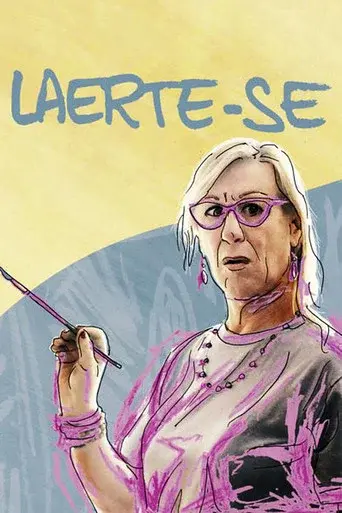
In this film, Laerte conjugates the body in the feminine, and scrutinizes concepts and prejudices. Not in search of an identity, but in search of un-identities. Laerte creates and sends creatures to face reality in the fictional world of comic strips as a vanguard of the self. And, on the streets, the one who becomes the fiction of a real character. Laerte, of all the bodies, and of none, complicates all binaries. In following Laerte, this documentary chooses to clothe the nudity beyond the skin we inhabit.
Laerte-se


A Boy Named Sue chronicles the transformation of a transsexual named Theo from a woman to a man over the course of six years. Following Theo's physiological and psychological changes during the process, as well as their effects on his lesbian lover and community of close friends, A Boy Named Sue tells a story about gender identity, relationships, and how even things that seem permanent can change.
A Boy Named Sue
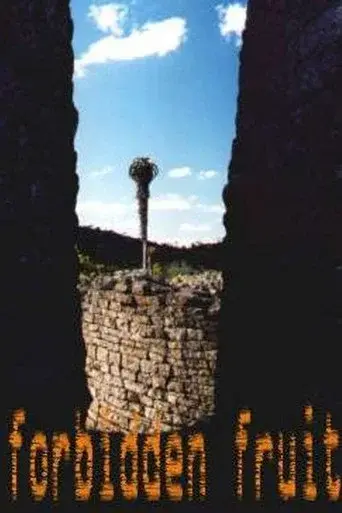
Filmed in Zimbabwe, the film depicts the romantic relationship between two women, and the aftermath of the discovery of their relationship
Forbidden Fruit
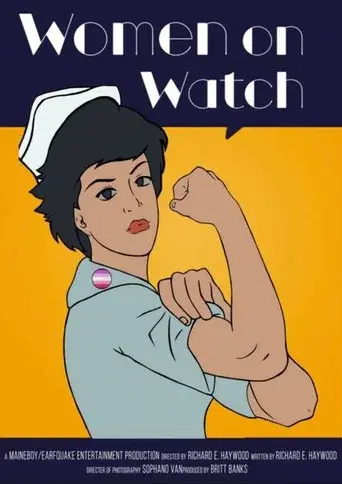
A mini documentary about the untold contributions lesbians made during the A.I.D.S epidemic.
Women on Watch
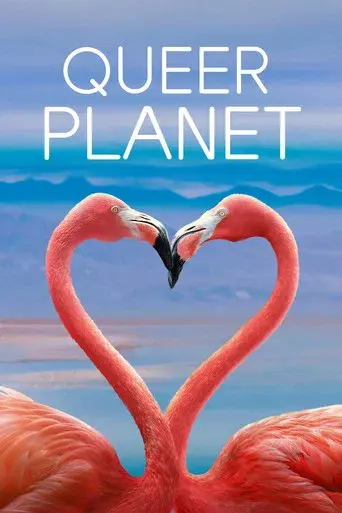
When it comes to 'what Mother Nature intended', it turns out she was pretty open-minded. In this vivid, funny and eye-opening one-off doc we take the audience on a journey to explore the rich diversity of animal sexuality.
Queer Planet

As a sci-fi obsessed woman living in near isolation, Beverly Glenn-Copeland wrote and self-released Keyboard Fantasies in Huntsville, Ontario back in 1986. Recorded in an Atari-powered home-studio, the cassette featured seven tracks of a curious folk-electronica hybrid, a sound realized far before its time. Three decades on, the musician – now Glenn Copeland – began to receive emails from people across the world, thanking him for the music they’d recently discovered.
Keyboard Fantasies
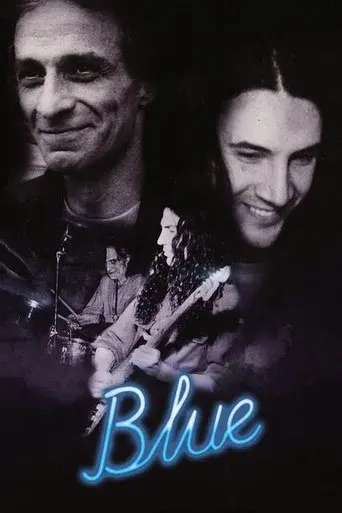
A thorough look at the 90's Turkish rock scene, one legendary stage band and its two members: Kerim Capli and Yavuz Cetin... An inquiry of their existential battles with the society, the industry and their own minds.
Blue

Pilgyu Shin has a dream: As a gay activist, he wants to enforce the anti-discrimination law in South Korea. In Seoul, he encounters a parallel society in which many queers hide and pretend to be heterosexual. The reason: Christian churches are gathering thousands of members around them in order to threaten the LGBTQ+ community. With their money and influence, they can steer politics. “Burning Blue“ portrays twelve people who stand up against these authorities. It is a battle against time, as they lose more and more members of their community to suicide. Yet dividing barriers keep growing bigger and bigger within their own circle. In a country that stigmatizes minorities and their mental health, the struggle for visibility pushes queer resistance to its limits. The film shines a spotlight on the abuse of power in the church and the growing transphobia in the LGBTQ+ community in South Korea. And it poses the question: Can there ever be a real safe space?