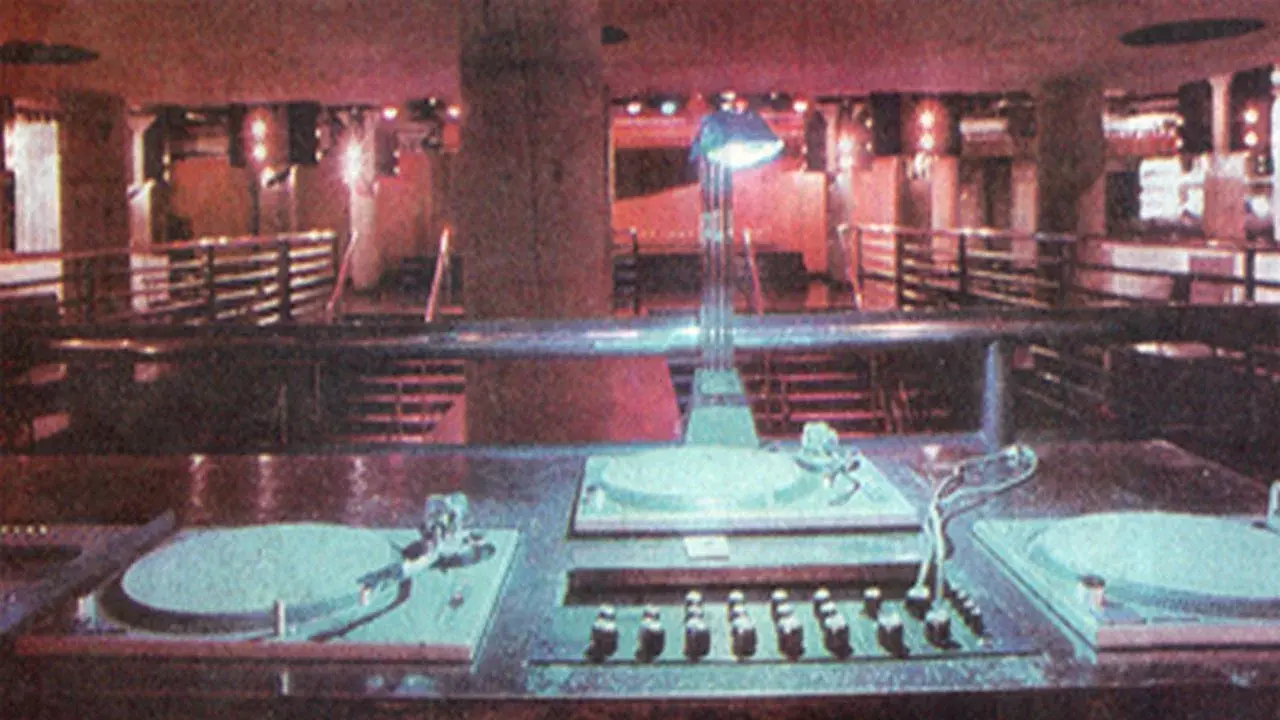

Warriors of the Discotheque
Overview
The place is the notorious Starck Club (so called because it was the first major project designed by Philippe Starck in the US.) The Starck Club opened in Dallas in 1984 and not long after hosted the 1984 national Republican Convention. Ironically, it was actually legal to buy MDMA aka ecstasy there, people would put it on their credit cards. The DEA stepped in and made it a category 1 drug on July 1, 1985... In a time when ecstasy was legal & guyliner was cool.
Top Cast

Philippe Starck
himself

Luis Barajas
himself
Mina Chow
herself
Todd Allen
himself
Michael R. Moore
himself
Paula Hines
herself
Teddy Solis
himself
John Dunn
himself
Maria Sanchez
herself
Wendell A. Bud Hill
himself
Key Film Crew
Production Stats
You May Also Like
The life story of Bisi Alimi, who went from being an anti-gay prosthelytize, preaching hell fire and damnation to those who strayed, into becoming the first Nigerian to come out on national TV.
The Only Gay in Nigeria
Documentary film about the life of a transgender woman, current political situation in Slovakia and the power of hatred.
I am a Woman

A short documentary about the October 14 1979 March For Lesbian And Gay Rights in Washington D.C.
La marche gaie
'Green Lights, Blue Skies' features twenty tracks to make you want to head for the open road. Many of these videos, promotional clips and performances have never been included on a DVD. Bonus features include an introductory film by DJ and broadcaster Gary Crowley, exclusive band profiles and a new 5:1 mix.
Green Lights, Blue Skies
Soon after New York state passed a 2015 law that health insurance should cover transgender-related care and services, director Tania Cypriano and producer Michelle Hayashi began bringing their cameras behind the scenes at New York’s Mount Sinai Hospital, where this remarkable documentary captures the emotional and physical journey of surgical transitioning. Lending equal narrative weight to the experiences of the center’s groundbreaking surgeon Dr. Jess Ting and those of his diverse group of patients, BORN TO BE perfectly balances compassionate personal storytelling and fly-on-the-wall vérité. It’s a film of astonishing access—most importantly into the lives, joys, and fears of the people at its center.
Born to Be

Shot between 1965-1970, Gay San Francisco features a collection of incredible footage of San Francisco’s thriving LGBTQ culture, with a focus on the Tenderloin, San Francisco’s first queer neighborhood.
Gay San Francisco
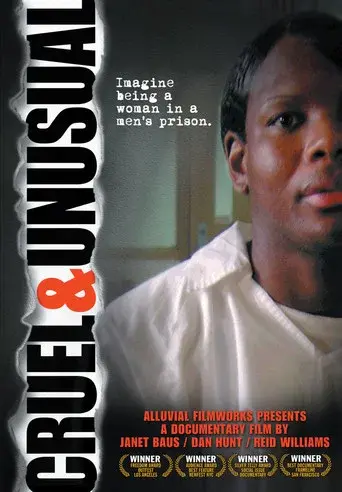
Five transgender women share their prison experiences. Interviews with attorneys, doctors, and other experts are also included.
Cruel and Unusual
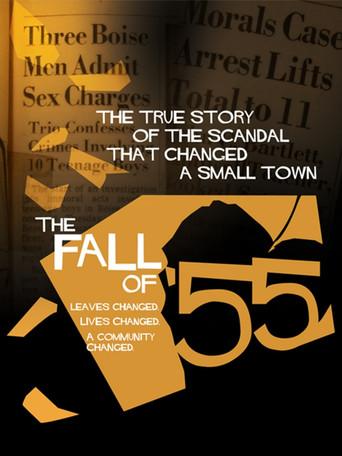
In late 1955 and early 1956, the citizens of Boise, Idaho believed there was a menace in their midst. On Halloween, investigators arrested three men on charges of having sex with teenage boys. The investigators claimed the arrests were just the tip of the iceberg-they said hundreds of boys were being abused as part of a child sex ring. There was no such ring, but the result was a widespread investigation which some people consider a witch hunt. By the time the investigation ended, 16 men were charged. Countless other lives were also touched.In some cases, men implicated fled the area. At least one actually left the country. The investigation attracted attention in newspapers across the nation, including Time Magazine. The "Morals Drive" left scars which remain to this day.
The Fall of '55
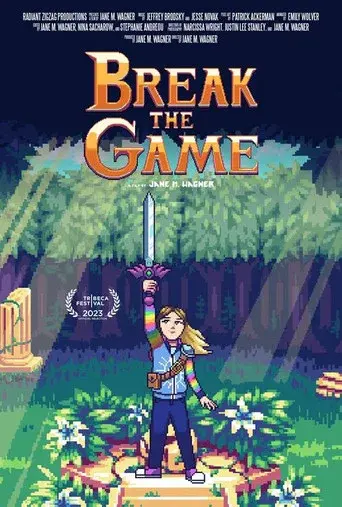
Record-breaking gamer Narcissa Wright grapples with her toxic obsession for attention and her space in the streaming community after coming out as transgender, all while attempting to set a new world record for The Legend of Zelda: Breath of the Wild.
Break the Game

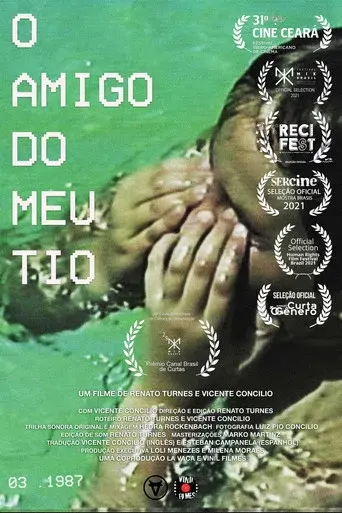
The story of a LGBTQIA+ child told through old images from VHS tapes. The videos were recorded by Vicente's father between 1987 and 1993.
My Uncle's Friend
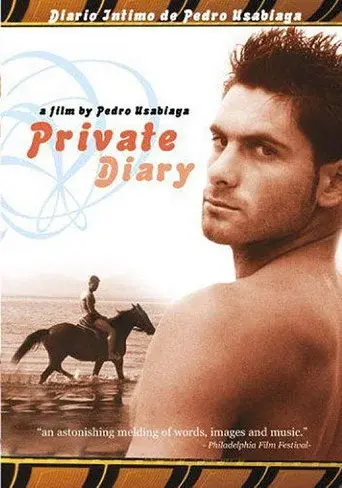
Private Diary documents photographer Pedro Usabiaga working with a variety of amateur models. The audience sees how the relationships between the photographer and the subjects changes during their time together, as well as how the individual photographs begin to take shape. Pedro Usabiaga is a well-established Basque photographer whose chief concerns are figurative photography and whose passion in photographing the Spanish male. In this hour long conversation with the artist we are given entry into that process of selecting models (none of the models he uses for this book to be titled 'Private Diary' are professional, but instead are randomly chosen as Usabiaga observes athletes in action) and then allowed to follow Usabiaga and his crew as they photograph these men in natural settings and natural light.