The Ministry for State Security - Everyday life at a public authority
Original Title: “Das Ministerium für Staatssicherheit - Alltag einer Behörde”
Overview
Former heads, senior officers and the rector of the MfS law school explain how the ministry functioned. The interviewees see themselves as legitimate actors with a clear mandate and political enemy image. They provide an insight into the techniques and routines of secret service work, psychological tricks during interrogations and the management of “unofficial collaborators”. What they all have in common is that they are not aware of any moral guilt. The directors contrast their footage of prisons and archives with the statements of former Stasi employees in an attempt to expose their evasions and efforts at suppression.
Top Cast

Kurt Zeiseweis
himself
Gerhard Niebling
himself
Karli Coburger
himself
Gerhard Neiber
himself
Horst Männchen
himself
Willi Opitz
himself
Wolfgang Schmidt
himself
Günter Möller
himself
Wanja Abramowski
himself
Siegfried Rataizick
himself
Key Film Crew
Production Stats
You May Also Like
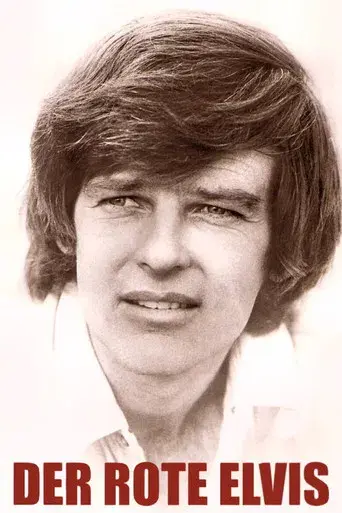
A documentary on the late American entertainer Dean Reed, who became a huge star in East Germany after settling there in 1973.
The Red Elvis

Former "Titanic" satire magazine editor Martin Sonneborn takes an undercover trip around Berlin and discovers the East-German mentality and what is left of the socialist German Democratic Republic.
Heimatkunde

In the documentary Last To Know political prisoners, sent to jail for openly opposing the East German regime that existed until the German reunification in 1990, talk about their times of trial and their lives today. Neither they, nor their families have come to terms with what happened.
Last to Know
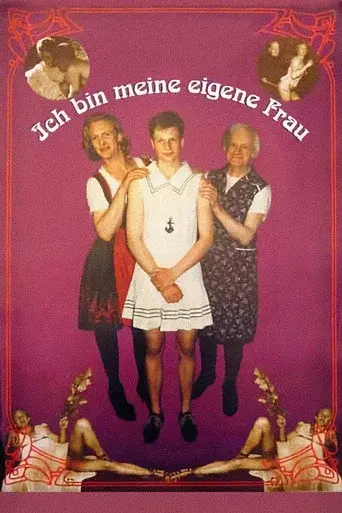
The life story of Charlotte von Mahlsdorf, who survived the Nazi reign as a trans woman and helped start the German gay liberation movement. Documentary with some dramatized scenes. Two actors play the young and middle aged Charlotte and she plays herself in the later years.
I Am My Own Woman

From an official perspective, marginal youth culture did not exist in East Germany. The topic of subcultures was taboo in the GDR, and groups such as goths, skinheads, anti-skins, punks and neo-Nazis were dismissed as social deviations promoted by western countries. Director Roland Steiner had access to such young East Germans in the late 1980s. Over the course of four years, he brought them before the camera in an attempt to understand what drew them to these groups.
Our Children

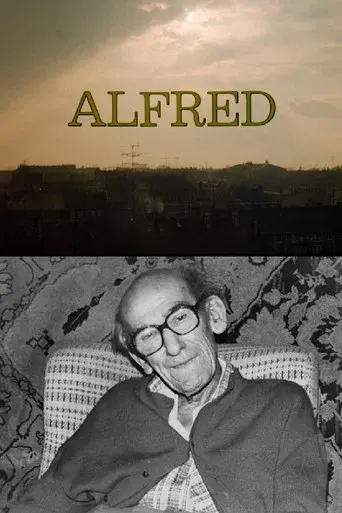
Short biographical documentary about the life of Alfred Florstedt and his life as a progressive communist from the Weimar Republic to his death in 1985.
Alfred





Was my father really a spy, as his file in the former East German Secret Service (STASI) suggests? This question marks the starting point of a son’s journey into his late father’s past which still remains somewhat mysterious even today. Eric Asch is looking for answers – in the Stasi archives, at the NSA and in his own family history. The result is a very personal documentary which reports ironically about the practices of secret service during the Cold War.