L'élite Noire De Demain
Overview
A documentary about missionaries in formal Belgian Congo.
Top Cast

Philippe Kammans
Commentaire
Key Film Crew
Production Stats
You May Also Like

Warsaw's Central Railway Station. 'Someone has fallen asleep, someone's waiting for somebody else. Maybe they'll come, maybe they won't. The film is about people looking for something.
Railway Station
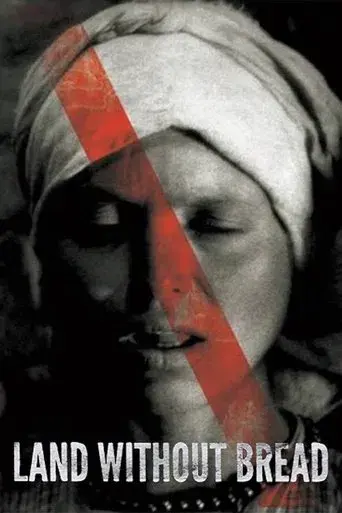
An exploration —manipulated and staged— of life in Las Hurdes, in the province of Cáceres, in Extremadura, Spain, as it was in 1932. Insalubrity, misery and lack of opportunities provoke the emigration of young people and the solitude of those who remain in the desolation of one of the poorest and least developed Spanish regions at that time.
Land Without Bread

A Nazi propaganda film about the lead up to World War II and Germany's success on the Western Front. Utilizes newsreel footage of battles and fell into disfavour with propaganda minister Goebbels because of it's lack of emphasis on Adolf Hitler.
Victory in the West

A propaganda documentary on the post war reconstruction of Miensk, capital of Belarus.
New Miensk



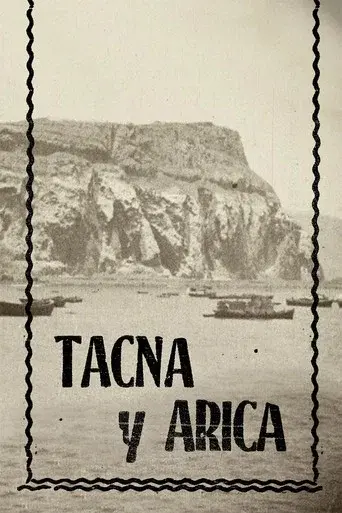
Propagandistic documentary aiming to demonstrate how vigorous and prosperous the provinces of Tacna and Arica were at that time, despite being in dispute, but under predominantly Chilean influence, investment, and administration.
Tacna y Arica
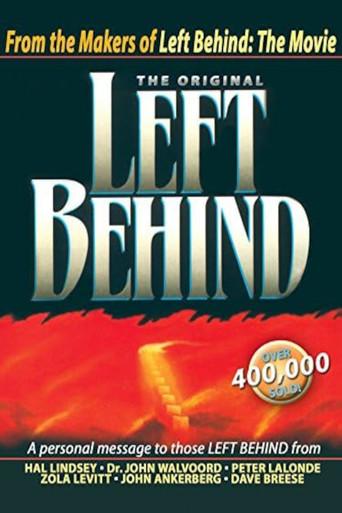
Leading biblical scholars and religious experts discuss the implications of the Rapture, when prophecies predict that Jesus Christ will return to Earth and his true believers will be transported to meet him.
Left Behind

Contrasting radical mobs, anarchy, and 1960s counterculture with footage of American manufacturing and innovation, this film celebrates the concept of American exceptionalism and argues that anti-Vietnam War protesters were influenced by communism, atheism, and immorality. Set mostly in a university library, this political debate between a medical student, his 1770s ancestor, and a history professor is a sequel to the 1972 National Education Program film, Brink of Disaster! Two additional characters appear in this drama: a 19th-century steamboat captain, and the student’s grandfather - an early 20th-century automobile worker. The National Education Program at Harding College in Searcy, Arkansas created a variety of widely-distributed anti-communism films from the mid-1940s to the early 1970s.
Tragedy or Hope

A student is held up in the library while a riot rages outside. As SDS protesters head to burn the library down, he has to fend them off with his baseball bat. This film opens with actual footage of civil disturbances in the 1960s, and moves on to images of historical American figures.
Brink of Disaster!

At the beginning of the 70s, Sahia Studio produced a number of social investigations commissioned by the Central Committee of the Romanian Communist Party, intended to expose the so-called "social parasitism". The decision was taken after the theses of July 1971, which provide that "one of the main objectives of political work, especially among the youth, is the firm fight against the tendencies of parasitism, of an easy life, without work, the cultivation of responsibility and the duty to work , in the service of the country, the people, the socialist society". The most famous films, made with the competition of the Ministry of the Interior and the Ministry of Justice, are Să treacă vara and Iarna unor pierde vară
Winter of a slacker

See how alt-right icon Steve Bannon’s years as a documentary filmmaker catapulted him to Breitbart News and the Trump White House.
American Carnage
The story of Istituto Luce and it's newsreels, full of visual records of the social and political history of Italy under Mussolini's leadership.
Years of the Eagle


Beginning with a promotional reel encouraging farming investments in Algeria and ending with the secret 1950s nuclear tests that France conducted using Algerian prisoners, How Much I Love You appropriates archival footage produced by the French colonial powers in Algeria. Meddour’s approach is disarmingly simple and yet awe-inspiring—his caustic undoing of colonial discourse is underscored by a liberating release of humor.