Overview
A machine-voice makes a "sad film of his homeland" for a dying patient to ease its passing: footage from Kennedy's visit to Venezuela in 61' creeps through montage errors, and a seemingly endless poem comes alive one last time.
Key Film Crew
Production Stats
You May Also Like
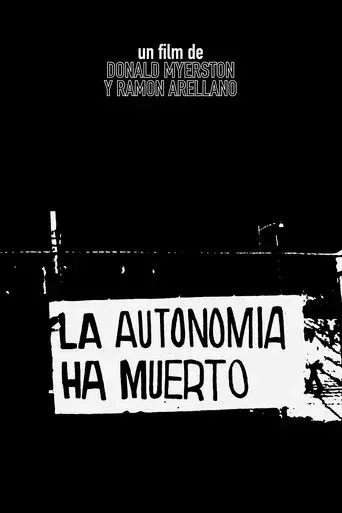
In 1969, the Renovación Universitaria movement and the subsequent raid on the Central University of Venezuela by the government of Rafael Caldera, triggered a strong wave of protest in the Institutes of Higher Education in Venezuela. This documentary collects part of the events that took place in the city of Mérida, Mérida State, where the University of the Andes is located.
La autonomía ha muerto

Mayami Nuestro goes beyond the slogan "tá barato, dame dos" (“it’s cheap, give me two”) to force a rethinking of Venezuela’s relationship with oil and national identity. Produced at the height of the oil boom, this 34-minute documentary examines Venezuelan lifestyles in the 1970s and early 1980s, questioning the consumerist fantasies fueled by petro-wealth. Through interviews with merchants, bankers, U.S. academics, and the testimonies of Venezuelans themselves, the film maps the era’s version of the “American Dream” as lived—and projected—abroad. Winner of national and international awards and directed by Carlos Oteyza, Mayami nuestro offers a sharp, historically grounded critique and an open invitation for new generations to reflect on the legacy of oil and its cultural consequences.
Mayami nuestro

Cruz Quinal, "the mandolin king," lives near Cumana in a mountain valley surrounded by sugarcane fields. Perpetuating 16th century Spanish traditions of guitar-making, Cruz fashions such musical instruments as cuatros, marimba, escarpandola, and his own creation, a mandolin with two fretboards. He is an accomplished musician as well. In this moving portrait, Cruz compares himself to a decaying colonial church across the street: revered yet neglected, the village altar stands, paint peeling, under the open sky.
El rey del bandolín
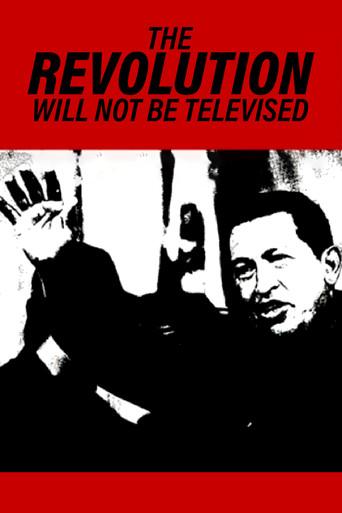

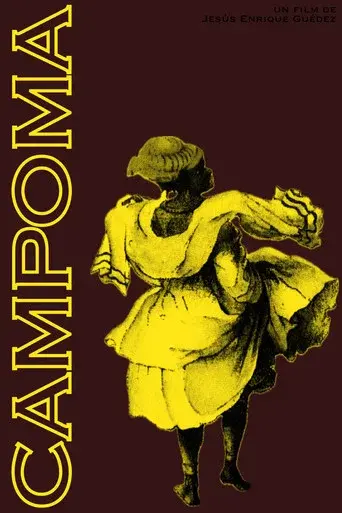
Short that tells the history of Campoma, a small Venezuelan town founded by black slaves.
Campoma

Imagen de Caracas was an experimental film spectacle, directed by Jacobo Borges and Mario Robles in 1968 for the 400 anniversary of the foundation of Caracas. It needed more than 48768 meters of film and 5000 actors.
Imagen de Caracas

Intertwined stories of people fighting for love, survival and the truth during quarantine.
Little Square

The struggle of two men, Osuna and Funes, hungry for power and wealth in a small town in Venezuela, during the dictatorship of Juan Vicente Gómez.
Black River
Documentary about the life of Simón Bolívar, directed by Antonio Bacé.
Bolívar, Faro de América
An educational film intended for children from 6 to 8 years of age. ‘We Grew A Frog, 1970’ tells the story of two schoolchildren, Lynne and Martin, who collect frog spawn from the village pond, take it to school, and there, in a tank, watch the spawn grow into frogs. The film shows in close-up the developmental stages of the spawn-to-frog process. This educational film features the pupils of Whatfield School in Suffolk. Headteacher, Gwen Dunn wrote and told the story.
We Grew A Frog
O child, I know it can be bad. O child, sometimes you're be sad. O child, it can be true. O child, sometimes it can be all new. Here comes the sun.