Polynesia in America
Overview
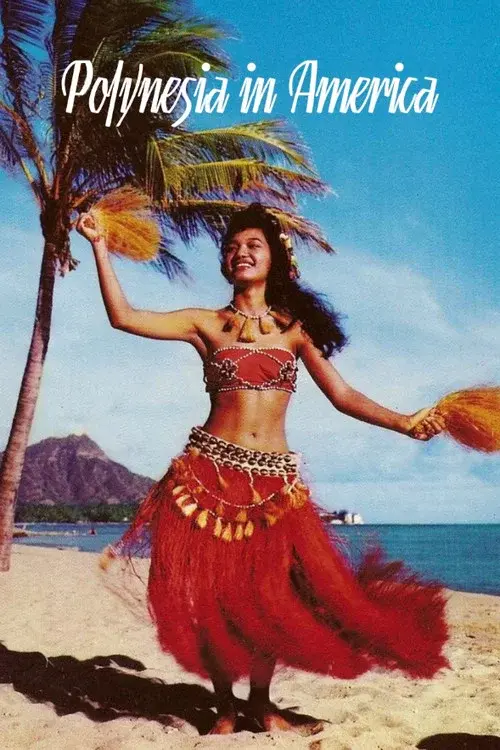
A look at the then brand-new Polynesian Cultural Center in Oahu, Hawaii . Established by the Mormons, the Center attempts to explain the indigenous cultures of Polynesia, New Zealand, Tonga, Fiji, Samoa, Tahiti, and Hawaii.
Top Cast

Gus Forsythe
Gus Forsythe
Wendell B. Mendenhall
Wendell B. Mendenhall
Jack King
Jack King
Jack Regas
Jack Regas
Key Film Crew
Production Stats
You May Also Like
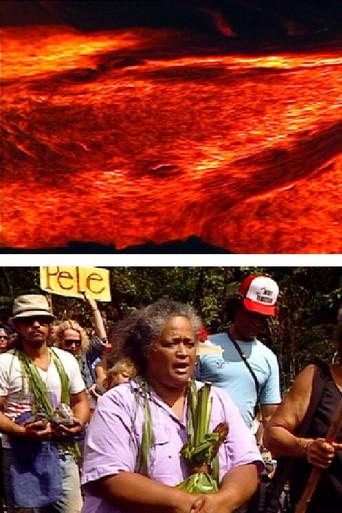
In the swirling volcanic steam and misty rain forest of Kilauea volcano’s east rift zone on the island of Hawai’i, two forces meet head on. Geothermal development interests, seeking to clear the rain forest for drilling operations, are opposed by native Hawaiians seeking to stop the desecration of the fire goddess, Pele. Pele is a living deity fundamental to Hawaiian spiritual belief. She is the eruption, with its heat, lava and steam. Her family takes the form of forest plants, animals and other natural forces. But geothermal development interests see Pele as simply a source of electricity. When Hawaiians take the issue to court, they find that nature-based religions are not respected by U.S. law.
Pele's Appeal

Under a Jarvis Moon is a 2010 documentary film about the young men, mostly of Hawaiian origin, sent in the 1930s and 1940s to colonize the Line Island of Jarvis and the Phoenix Islands of Howland and Baker.
Under a Jarvis Moon
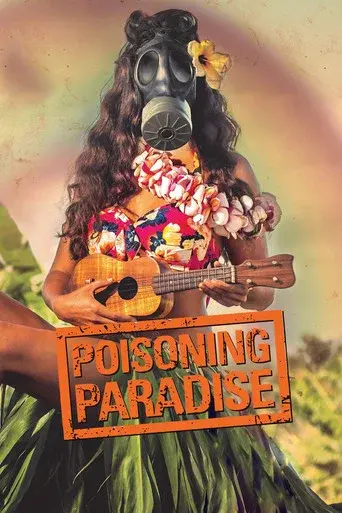
Journey to the seemingly idyllic world of Native Hawaiians, whose communities are surrounded by experimental test sites for genetically engineered seed corn and pesticides sprayed upwind of their homes, schools, hospitals, and shorelines.
Poisoning Paradise

Kalo (taro) production on each of the major islands of Hawai'i circa 1994. Meet the amazing people who love and continue to cultivate taro on lo'i that in some cases has been in the family for generations and centuries! Young, old, and family growers on Maui, Moloka'i, Hawai'i, O'ahu, and Kaua'i islands. Includes history/culture of kalo, Issues related to land and water, uses of kalo, and prospects for the future.
Back to the Roots

This film portrays Hawaii as a multifaceted American territory, far more than just a tourist destination with picturesque beaches and palm trees. It describes Hawaii as a group of volcanic islands in the Pacific, serving as a crucial crossroads for shipping and air travel between North America, Asia, and Australia. The film highlights Hawaii's fertile soil, conducive to agriculture, with major crops being sugar cane and pineapples, cultivated historically by a significant Asian workforce. Cities like Honolulu are presented as modern, diverse urban centers blending various cultures, including the native Hawaiian heritage. The film also notes Hawaii's strategic importance, with historical sites like Pearl Harbor, emphasizing its unique combination of cultural richness, economic vitality, and historical significance.
Modern Hawaii

Surfing at Waikiki Beach, Hawaii, on the island of Oahu. Most surfers are human, one is a dog. The educational documentary is part of the Bruce Scenic Novelties series.
Sons of the Surf

Out of State is the unlikely story of native Hawaiians men discovering their native culture as prisoners in the desert of Arizona, 3,000 miles, and across the ocean, from their island home.
Out of State
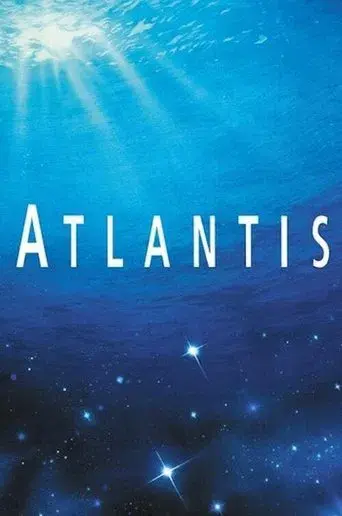
Atlantis is filmmaker Luc Besson's celebration of the beauty and wonder of the world beneath the sea, expanding upon themes touched on in his film The Big Blue. Combining stunning underwater cinematography and a hypnotic score by Eric Serra, Besson's singular vision defies dialogue or narrative structure to explore ocean life as you've never seen it before. Following the colossal success of The Big Blue, Luc Besson crisscrossed the world's seas and oceans to film the beauty and diversity of marine life: from the giant octopuses of Vancouver to the manta rays of the Pacific (New Caledonia), and the grey sharks of Tahiti. A film with no actors or sets other than the underwater world. A breathtaking view of marine species: sharks, dolphins, manatees, octopuses. An exploration of the seabed in the Bahamas, the Galapagos, Vancouver, and Tahiti.
Atlantis


In the years following the Civil Rights movement and the passage of Title IX in 1972, Dr. Donnis Thompson (a headstrong African-American female coach), Patsy Mink (the first Asian-American U.S. congresswoman), and Beth McLachlin (the team captain of a rag-tag female volleyball team), battled discrimination from the halls of Washington D.C. to the dusty volleyball courts of the University of Hawaii, fighting for the rights of young women to play sports.
Rise of the Wahine
A quiet island, lost in the pacific ocean. Nothing worth of interest, until the day a stroke of luck, phosphate, provided by the island's coral core, led the country to incredible heights: in 1975, it became the second richest country per inhabitant in the world after Saudi Arabia... Only to plunge into ruins a few years later.
Nauru, an Island Adrift
An overview of the people, lifestyle, and traditions of Samoa, as well tourism and other economic changes on the Samoan islands.
Samoa i Sisipo

In Polynesia, as humpback whales come to breed in the warm waters of the Pacific, Natoo immerses herself in a timeless experience.
Le souffle de vie
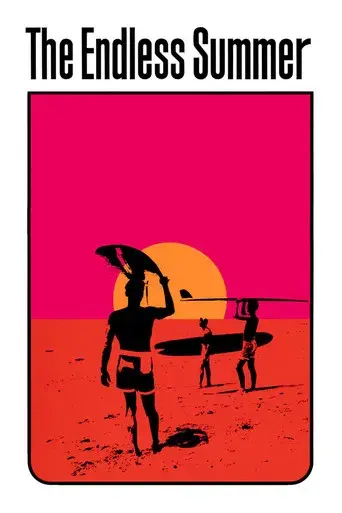
Bruce Brown's The Endless Summer is one of the first and most influential surf movies of all time. The film documents American surfers Mike Hynson and Robert August as they travel the world during California’s winter (which, back in 1965 was off-season for surfing) in search of the perfect wave and ultimately, an endless summer.