

Gitani
Overview
Moving away from the conventions of traditional documentary filmmaking, Gitani presents itself as a vibrant "emotional vision" of Romani life. Rather than a rigid factual account, the film immerses the audience in an atmosphere of pure euphoria and shared joy. Music serves as the essential thread that weaves the entire work together, while the visual narrative mirrors the fluidity of dance—constantly assembling and dissolving to the beat of the performers' movements. It is a rhythmic and sensory experience that prioritizes feeling and atmosphere, capturing the spirit of a culture through the harmony of sound and motion.
Key Film Crew
Production Stats
You May Also Like
A troupe of gypsies takes a traveler along with them on their day trip.
A Day with the Gipsies
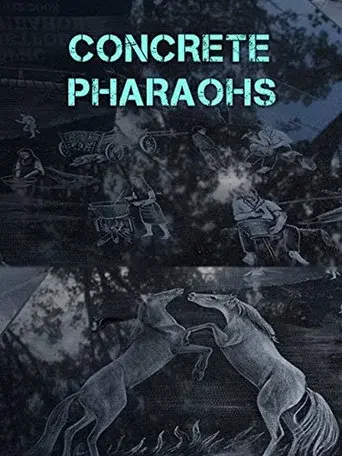
Welcome to the picturesque world of the Kaldarash Roma – a closed community of no more than 1 million people all over the world. 'Concrete Pharaohs' take us on a journey into the lifestyle and traditions of the most hidden and intriguing Roma communities. A charismatic Gypsy baron will walk us through his stories and his new house. We will learn the hot trends in Roma tombstone design. We will go down into the underground homes of African granite, furnished with beds, wardrobes, stereos and a charged cell phone – a direct line to the other world. A celebration of life and afterlife in all of their manifestations.
Concrete Pharaohs

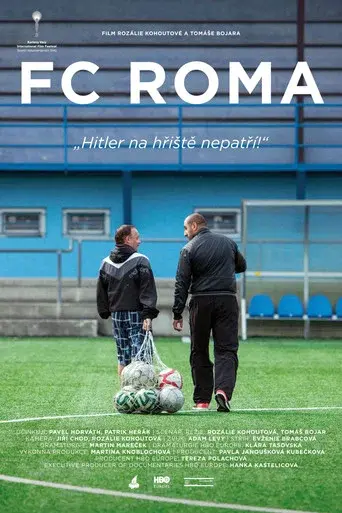
A team of Romany football players try to overcome prejudice in this Czech documentary.
FC Roma

Prominent Ukrainian/Italian documentary film director Oleksandr Balahura (most known for link) visits Roma neighborhoods and social events in Zakarpattia (Western Ukraine) and re-visits his earlier work, "Widow-Street", shot on same locations in 1991. He also screens "Widow-Street" to its characters, whom he meets again in 2013.
Loli Kali Shuba

An intimate look at Gypsy refugees in a Belgrade suburb who make a living by transforming Citroen´s classic 2cv and Dyana cars into Mad Max-like recycling vehicles, which they use to collect card-board, bottles and scrap metal. These modern horses are much more efficent than the cart-pushing competition, but even more important, they also mean freedom, hope and style for their crafty owners. Even the car batteries are used as power generators in order to get some light, watch TV and recharge mobiles ! Almost an alchemist´s dream come true ! But police doesn´t always find these strange vehicles funny... Pretty Dyana is a very funny documentary, but sad in a way... " If Mitic had focused only on the terrible misery these people live in, the film would have been unbearable. Instead, you never know whether you should cry after you laugh, or the other way around " Sara Hultmanm, Goteborg Film Festival
Pretty Dyana

Alberto Spadolini, filmmaker and choreographer, dances to traditional Andalusian music. He pays tribute to the gypsy culture.
Nous, les Gitans
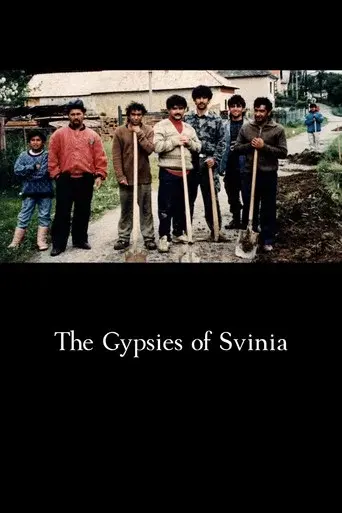
Moved by a sense of outrage, David Scheffel, a Canadian anthropologist, is determined to help the impoverished Roma (Gypsies) rebuild their community in the eastern Slovakian village of Svinia. So-called “white” Svinia is a picturesque, typical Slovak village with well-kept homes, gardens, a store and a school. Some 300 metres past the last home is “black” Svinia, where the Roma live in squalid tenement blocks and one-room huts of sticks and mud-with no clean water or sewage facilities and with little hope of employment. Many Svinians, whose homes and gardens are regularly burglarized by the desperate Roma, have lost all patience and sympathy. Throughout Eastern Europe, the painful transition from communism to democracy has relegated the Roma to the farthest, most grotesque margins of society. The Gypsies of Svinia is a testament to the firm resolve of Scheffel and the Roma to make things better.
The Gypsies of Svinia
The news about the Swedish police's registry of Roma people has generated very strong reactions. In this new documentary we meet some young Swedish Roma people who talk about their feelings and thoughts about the registration.
Jag Är Registrerad
Anti is an 18-year-old gypsy boy with a passion for playing the guitar. He lives in a gypsy slum in a remote corner of Hungary. By an unexpected opportunity he has a chance to break out now from his hopeless situation. He gets selected to the Snétberger Music Talent Center among sixty other young talents. He is mesmerized by the chance of a better life and hopes for a miracle. Although it turns out soon that he has a huge disadvantage compared to the others, even to the gypsy students. He can't read the music sheets and he is not used to regular practice. The sensitive and lovable boy's story is full of unexpected twists and turns. The viewer is carried with his honesty and special humor. Through Anti's story the feature-length documentary gives a glimpse into the work of the Snétberger Music Talent Center with great music and memorable moments from the life of the Talent Camp.
tititá

Gypsy Blood examines the culture that Gypsy and Traveller fathers hand on to their children, which many non-gypsy view as overly violent, exploring its impact on two fathers and their young sons.
Gypsy Blood
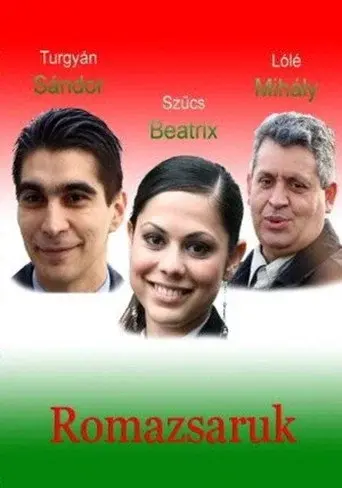

A 2005 és 2011 között készült Ammen című dokumentumfilm egy kis szatmári falu cigány-sorának életébe nyújt betekintést. Az utca lakói egy ameriaki pásztor vezetésével hat évvel ezelőtt "bemerítkeztek" és felvették a baptista vallást. Hozott-e változást életükbe a hit? Segített-e a boldogulásban? Mennyire kitartó, mély az Istenhitük? Miért fontos a karizmatikusság? Lehet-e a vallás közösség-összetartó erő? A film - többek között - ezekre a kérdésekre keresi a választ.
Ammen
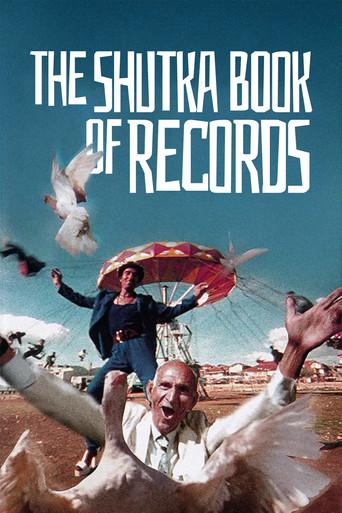
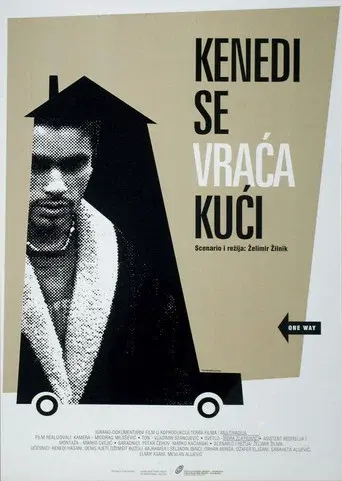
The first film in what would ultimately become Zilnik’s famed Kenedi trilogy follows street hustler Kenedi Hasani and his friend as they roam the streets of Serbia seeking Kenedi’s parents. Kenedi Goes Back Home is Zilnik’s account of the Roma people who were forced to flee from the war in the Balkans to Germany in the 1990s and who, ten years later, are forced against their will to return to Serbia. Zilnik shows the immigrants' lives in relation to the prevailing ideology shaped today by the borders between rich and poor and by the often-racist selection process that determines who will be accepted into Western Europe. In presenting the dilemmas and identifying the crises these people face, he appeals for a solution.
