

Overview
In one of the most beautiful and captivating corners of the planet—between the majestic Victoria Falls and the mighty waters of the Zambezi River—the human–wildlife conflict has reached alarming levels. Elephants, baboons, crocodiles, and other dangerous species are leaving protected areas and venturing into the city in search of food. At the same time, some residents of Livingstone are entering Mosi-oa-Tunya National Park, setting snares or attempting to defend themselves from attacks by wild animals.
Key Film Crew
Production Stats
You May Also Like

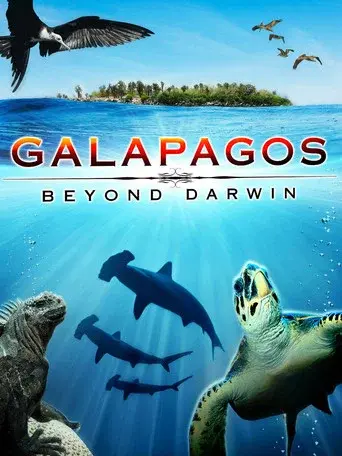
Galapagos: Beyond Darwin is a 1996 documentary narrated by actor Roscoe Lee Browne. It premiered on the Discovery Channel on Sunday, August 18, 1996.[1] It was directed by Al Giddings.
Galapagos: Beyond Darwin


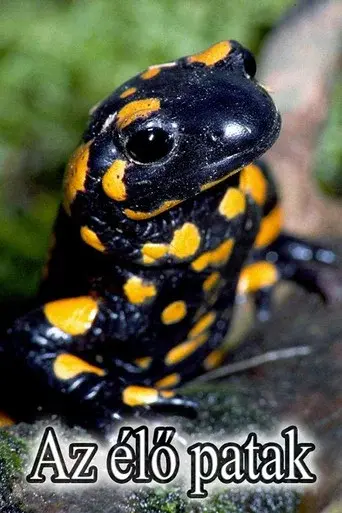
Intact ecosystems provide the best defense against climate change! The ecosystem of a small creek is complex and diverse – the shocking reality is that in Central Europe only one in a thousand is still intact, today. What happened to our streams and brooks? What does the future hold? The film ‘One in a Thousand’ portrays the diverse wildlife inside and alongside a stream, explains the importance of this habitat and identifies the sources of its destruction. A blue-chip wildlife film that carries an important message.
One in a Thousand
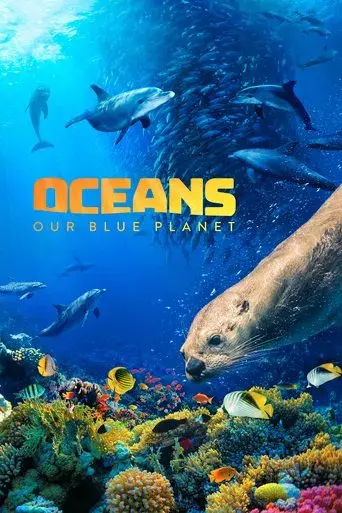
Embark on a global odyssey to discover the largest and least explored habitat on earth. New ocean science and technology has allowed us to go further into the unknown than we ever thought possible.
Oceans: Our Blue Planet
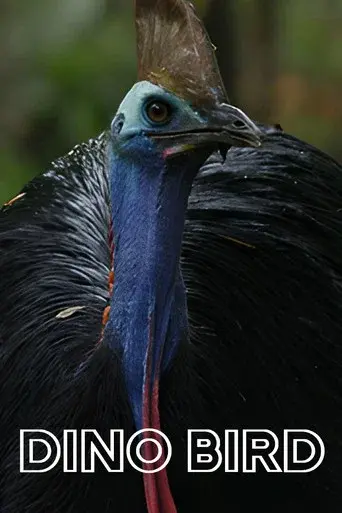
Dino Bird is a visually spectacular one-hour film that explores the life of the endangered southern cassowary through the eyes of matriarch Bertha, as she and her family strive to survive in the tropics of northern Queensland in the oldest rainforest on Earth. Over the course of one tumultuous season, Bertha, her partner and her chicks battle fearsome predators and formidable rains, but also play an invaluable role in sustaining life in this ecological hotspot. Dino Bird is an intimate and rarely seen portrait of one of Australia's last remaining southern cassowaries.
Dino Bird

The Danube Delta in Romania - the 'Last European Sanctuary’ - is a UNESCO World Heritage Site. While major efforts are made to protect biodiversity, the plight of local communities is largely overlooked. Social scientists claim that the traumatic nature of the swamp bears heavy on the villagers' lives. But is Nature really to blame? Swamp Dialogues is based on an extensive field-research in the Danube Delta Biosphere Reserve. Through a careful ‘argument montage’ built entirely on cinematic language the film represents an anthropological analysis formulated in image and sound.
Swamp Dialogues
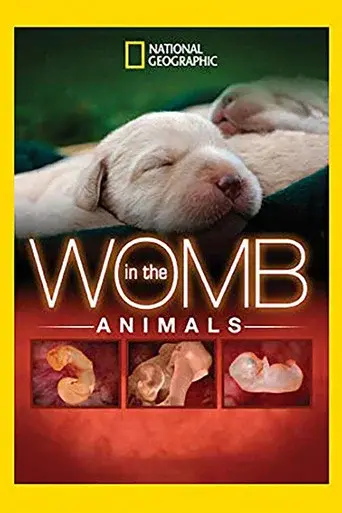
Using 4-D technology, the early stages of a Golden Retriever puppy, a dolphin, and an elephant are examined.
In The Womb: Animals
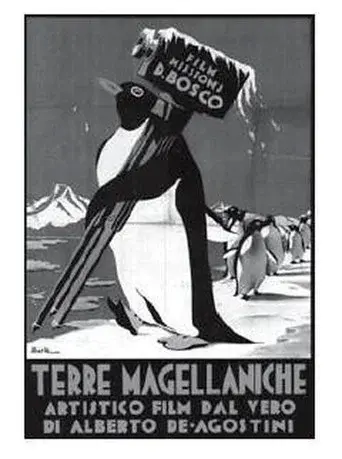
The film Terre Magellaniche represents the fruit of multiple and risky trips that the explorer Alberto M. De Agostini made in the Patagonian mountain range and in the Tierra del Fuego archipelago. Executed with rare mastery and exquisite artistic sense, the film shows the explorer in the labyrinth of Patagonian channels, penetrating the deep fjords between large masses of floating ice of curious shapes, coming from the immense glaciers that descend from the Cordillera and bathe its frontal walls on the waters of the sea. Transported to regions of extraordinary beauty, situated in front of gigantic mountains, from which majestic waterfalls rush, the viewer experiences the illusion of finding themselves in a mysterious kingdom of dream and enchantment.
Terre magellaniche

Two otter pups have been carefully watched over by their mother for a year, but her tireless work will soon come to an end. From here on the pups will have to fend for themselves, one day maybe starting an otter family of their own.
Seasons of the Otter

A photographer's simple quest to capture a bird in flight turns into an unexpected journey of discovery, as she learns to pause, observe, and connect with the life unfolding around her.
To Sit and See
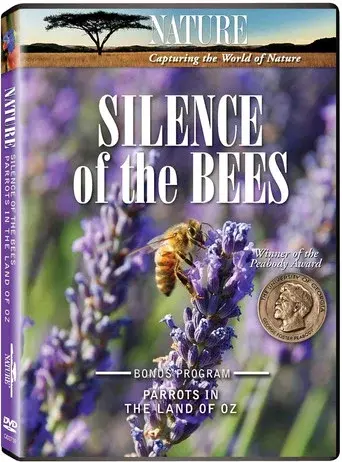
In the winter of 2006, a strange phenomenon fell upon honeybee hives across the country. Without a trace, millions of bees vanished from their hives. A precious pollinator of fruits and vegetables, the disappearing bees left billions of dollars of crops at risk and threatened our food supply. The epidemic set researchers scrambling to discover why honeybees were dying in record numbers — and to stop the epidemic in its tracks before it spread further.