
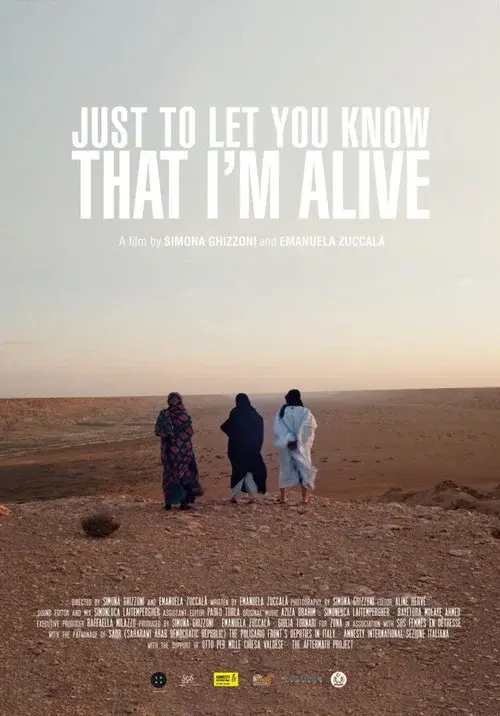
Just to let you know that I'm alive
Overview
Enforced disappearances, torture, secret prisons, mass graves, no trial and no justice. The history of Western Sahara, the area south of Morocco with an as yet undefined political status, is marked by a dark sequence of human rights violations. And it’s still forgotten. The documentary tells the story of Sahrawi people through the voices of special women who’ve been victims of violence, both in Western Sahara and in the refugee camps in Algeria. Through their testimonies, diaries and old photographs, the movie reconstructs the history of Western Sahara from a female and intimate point of view.
Key Film Crew
Production Stats
You May Also Like

The Executive Empress explores the entrepreneurial lives of several Florida women, who have turned their unique passions into successful businesses.
The Executive Empress
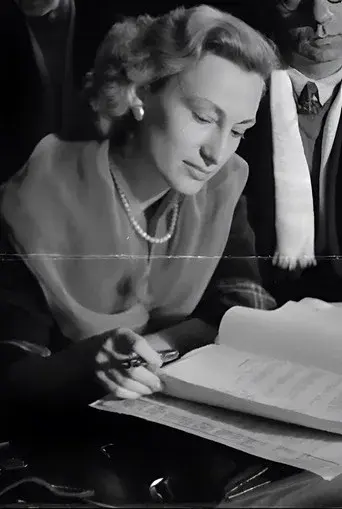
Made on the occasion of March 8, it presents a series of brief portraits of women, from various professional fields, of different ages and even of different ethnicities, pointing out the benefits that the communist organization had brought to their daily lives. A special emphasis is placed on their status as mothers and on the role of nurseries and socialist kindergartens not only in making their lives easier, but also in giving them the time they need to build a career. Another concern of the filmmaker, starting from the concrete case of one of the protagonists, is to highlight the differences between the happy present and the not-too-distant past in which someone with her social status should have dedicated herself exclusively to raising children, in hygienic and extremely difficult lives.
Women of Today
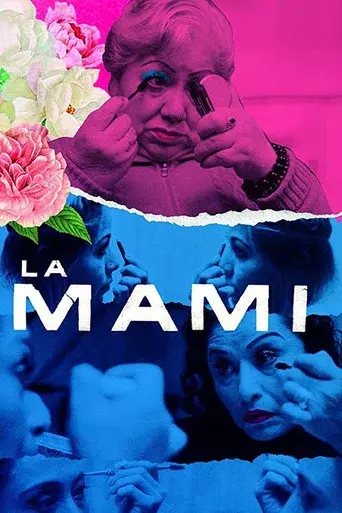
One of the rooms inside the legendary Barba Azul Cabaret has become a shelter for the girls working there: the women's bathroom. Every night La Mami, who's in charge of the bathrooms, offers them the warmth and the advice they need to take on the challenge they face in the dance hall.
La Mami
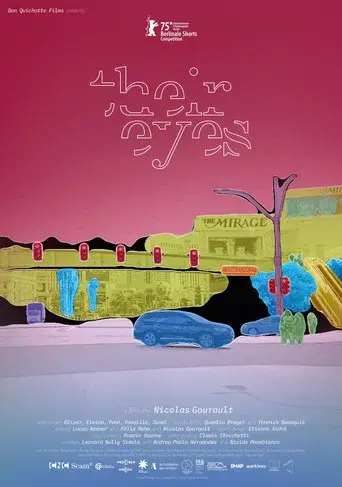
How does a machine learn to read the world? Testimonies and screen recordings introduce the experience of online micro-workers from the Global South: their job is to teach the AI of self-driving cars to navigate the streets of the Global North.
Their Eyes
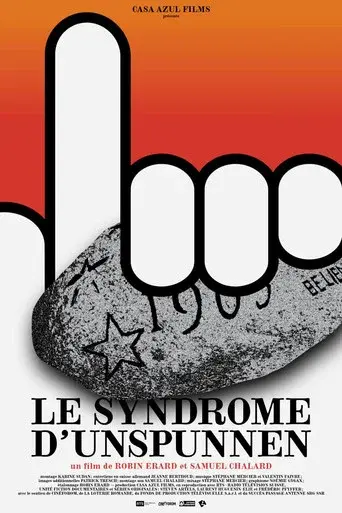
220 years after its "birth", 40 years after its theft, 22 years after its reappearance and 18 years after its second disappearance, two filmmakers follow the trail of the "unspeakable" Unspunnenstein.
Le syndrome d'Unspunnen
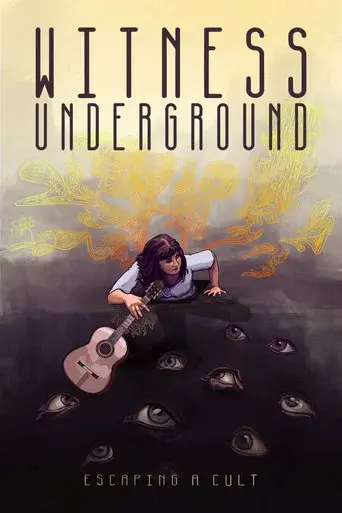
Punk rock, B-movies, and Jehovah’s Witnesses unite in this heartfelt documentary. As members of Jehovah’s Witness start to explore culture outside of their religion, they have to wrestle with the possibility of being excommunicated from friends and family. Featuring in-depth interviews and extensive home video footage, Witness Underground tells the story of punk rocker Witnesses pushing against the highly controlling Jehovah’s Witnesses religion as they build their own community through music and art. This prolific community of Witness musicians create their own record label, Nuclear Gopher, and become early adopters of promoting their music through the internet, including what may have been the first album to ever be livestreamed. This community’s history is well documented through archival footage of their home movies and self-produced music videos, all with a very charming energy.
Witness Underground

Immigrant workers build a shopping mall for the upcoming 1972 Olympic Games in Munich. In 2016, nine people with migrant backgrounds are killed in a racist attack at the same mall.
In retrospect
In May 2005, after 30 years of Moroccan occupation, Saharawi students initiated a series of peaceful demonstrations demanding their right to the United Nations-mandated referendum on Western Saharan independence. The Moroccan authorities responded with a brutal campaign of repression, detaining and torturing human rights activists as well as Saharawi students and children as young as eight years old.
Children of the clouds

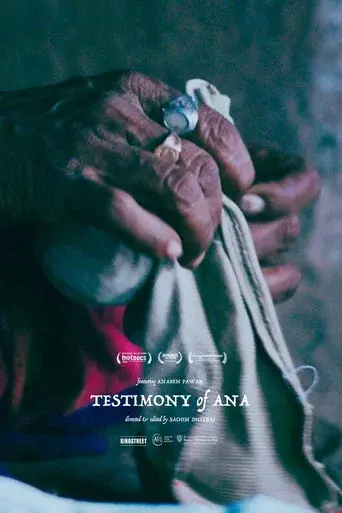
Anaben Pawar is an elderly tribal woman accused of witchcraft in rural India. Through Ana's story, we delve into a deep-rooted culture of patriarchy and examine one of the most monstrous attacks on women's bodies in modern India: the witch-hunt.
Testimony of Ana
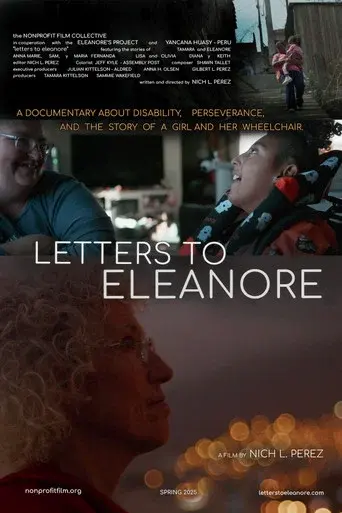
"letters to eleanore" is a poignant feature-length documentary that explores the intertwined journeys of two remarkable girls, Keith from Canto Grande in Lima, Peru, who bravely navigates life with cerebral palsy alongside her devoted mother, and Olivia from Litchfield, Minnesota, whose experiences highlight the stark contrasts in societal attitudes towards disability in their respective countries. As their narratives unfold, they are beautifully interwoven with the legacy of Eleanore and her family, whose life, untimely death, and the impact of her wheelchair ignited a powerful movement of hope for countless children and their families facing similar challenges. This film is not just a story of perseverance and love; it is a testament to the strength of community, brought to life through the collaborative efforts of volunteers, students, and communities across Peru and the United States, embodying a true grassroots style of storytelling that resonates with authenticity and compassion.
letters to eleanore

Jesus 'Chuy' Aceves and a dozen living members of his extended family suffer from the very rare condition of congenital hypertrichosis, meaning they were born with excessive hair on their faces and bodies. Due to their appearance, they suffer from discrimination in all areas of their lives: the children are made fun of at school and abandoned by their 'non-hairy' parents, and the adults cannot find work unless they choose to exhibit themselves as freaks in circuses. This moving and visually arresting documentary is a portrait of Chuy and his family members. It examines their day-to-day lives and their struggle to find love, acceptance and employment.
Chuy, The Wolf Man


A discovery of the pictorial art that Ndebele women traditionally practice in South Africa: painting the walls of their houses.
Black Pénélope
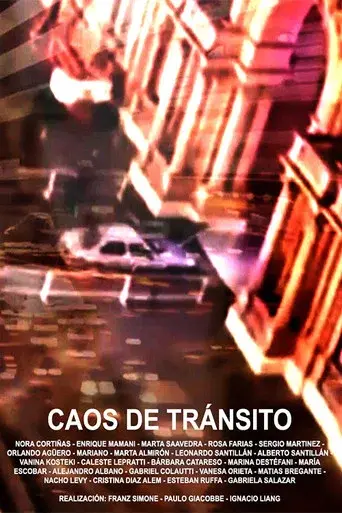
Through testimonies and images, the crude reality of human rights in Argentina in democracy is portrayed and the role of the hegemonic means of communication to make causes and protests invisible ...
Caos de tránsito
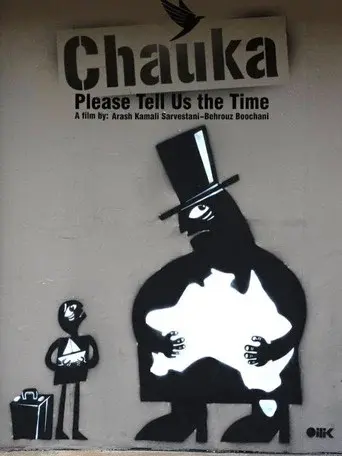
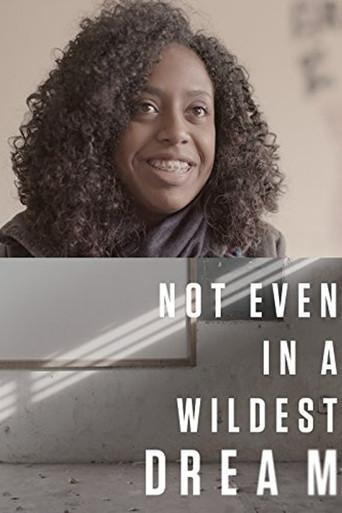
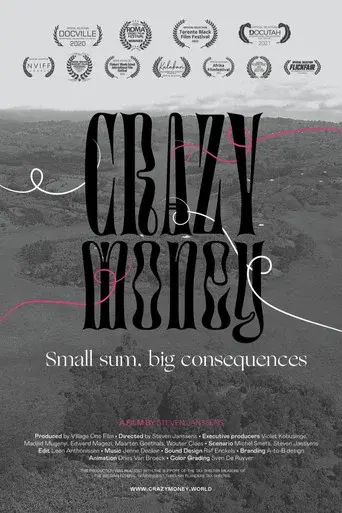
What is possible when we have guaranteed money to meet our basic needs? No requirements. No stipulations. No paybacks. We look to the village of Busibi to discover what’s possible when we give money directly to people. No strings attached. The answer lies in the residents’ personal stories. Their successes and tribulations illustrate the impact of one of the most daring projects in contemporary development cooperation. Their life stories unexpectedly prove to be all too familiar. They make us laugh. They move us. Blending in together, they create a colorful and poetic reality portrait, illustrating the big consequences of a small sum of money …