
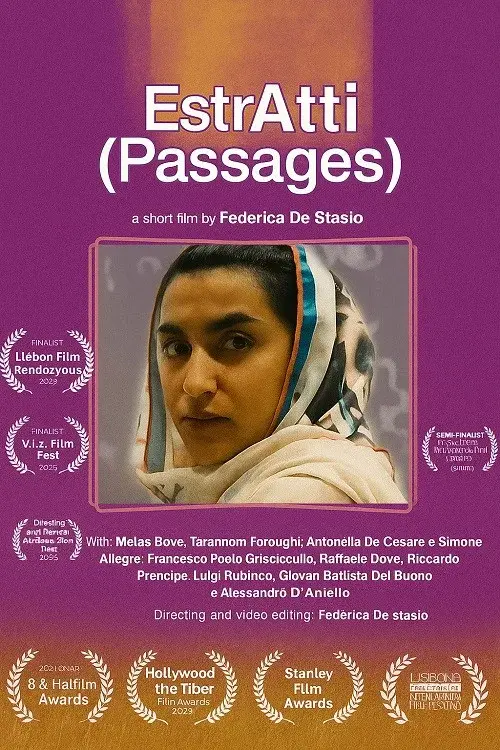
EstrAtti (Passages)
Overview
EstrAtti (Passages) is a docufilm that alternates five excerpts from poems, songs, and adapted texts by the following authors: Gianni Rodari (The Sky Belongs to Everyone), Omar Khayyam (the Persian poet who composed a series of poems, including Rubaiyat No. 2), David Bowie (lyrics from Quicksand), Jorge Luis Borges (excerpt from The Aleph), Alejandro Jodorowsky.
Top Cast

Manuel Bovio
Taranom Foroughi
Antonella De Cesare
Simone Allegretta
Key Film Crew
Production Stats
You May Also Like
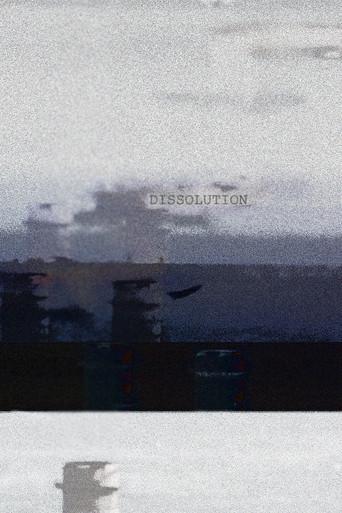
This video takes a particular viewpoint, with the camera placed behind a zone of blur. Slowly, we experience the perception of an expanded time. An expectation is created and resolved in the observation of the passage of boats that dissolve into the nebulousness, disappearing from our sight like a mirage.
Dissolution
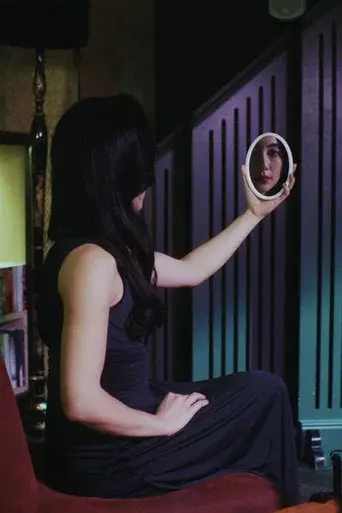
'Afloat' is an experimental film that paints a portrait of Japanese performance artist: Ayumi Lanoire. The film opens as a telephone call between Ayumi and Person X, which meanders the audience through the various layers that make up her personas leading one to wonder whether she is in fact a myth or reality.
Afloat

In the middle of the night, a sleepless subject rediscovers the ability to use their hands to produce and play with shadows on the ceiling.
shadow pups 1 & 2

A road trip in the truest sense: shifts, irritations, motion at the levels of image and sound, in all directions. Like a distillate of a “best-of” road movie, Billy Roisz and Dieter Kovačič condense cinema to pure trip – moving past colorful image surfaces that fluctuate between abstraction and depiction.
TOUTES DIRECTIONS
When Billy Roisz’s images and dieb13’s sound (remix: gnu) are brought together in this way, oberflach.avi becomes a unique experience.
oberflach.avi
An experience of a camera swinging in different gestures facing the optical distortion of the Sun. The last appearance of the smudge.
Swinging Light
Human hands can be both destructive and healing, Jeffrie Po suggests in his experimental film with spiritual outreach. He portrays a human being as a faun who roams the jungle dauntlessly, yet is destructive. The forest with vanishing cattle becomes a battlefield between dark powers and the power of salvation.
Consequences of Man
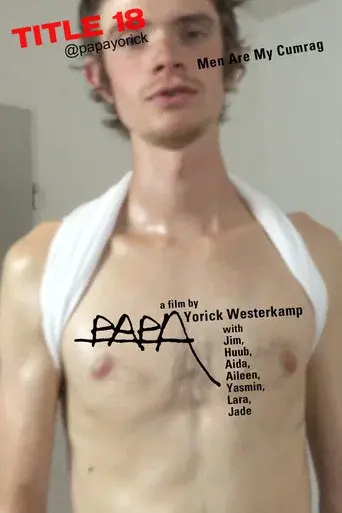
An experimental short film made as part of a multi-media triptych, originally screened alongside a fashion collection and an art-installation. Drawing from Papa Yorick’s (Director and fashion designer) thesis “Men Are My Cumrag”, the film reenacts eight mainstay gay porn scripts, incorporating and parodying tropes and clichés, that explore masculine identities within the gay porn industry, through a satirical and critical lens.
Title 18
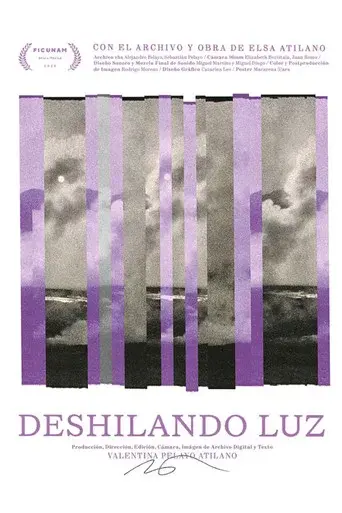
A film essay that intertwines the director's gaze with that of her late mother. Beyond exploring mourning and absence as exclusively painful experiences, the film pays tribute to her mother through memories embodied by places and objects that evidence the traces of her existence. The filmmaker asks herself: What does she owe her mother for who she is and how she films? To what extent does her film belong to her?
Deshilando Luz

Outtakes, commentary from Zefier's third film: Jo; or The Act of Riding a Bike.
Outtakes from Jo
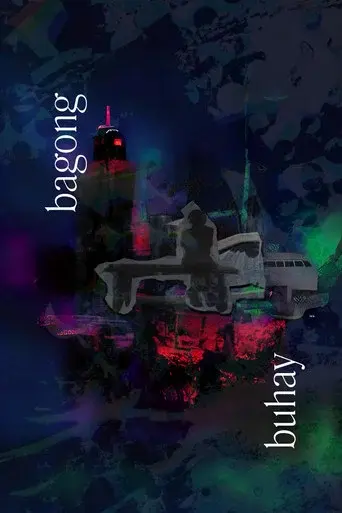
"Bagong Buhay" is a short experimental film that dispels the common belief that packing up and moving to a new place will magically improve one's quality of life. The film challenges this presumption by portraying two contrasting ways of life through objects and locations, encouraging viewers to think critically about the complexities of what makes a better life. In the Philippines, it's believed that relocating to a new area will bring about positive changes in one's existence. True satisfaction is a complex and multifaceted notion, and "Bagong Buhay" encourages us to ponder that relocating to a new place is not a surefire way to attain it.
New Life

After concluding the now-legendary public access TV series, The Pain Factory, Michael Nine embarked on a new and more subversive public access endeavor: a collaboration with Scott Arford called Fuck TV. Whereas The Pain Factory predominantly revolved around experimental music performances, Fuck TV was a comprehensive and experiential audio-visual presentation. Aired to a passive and unsuspecting audience on San Francisco’s public access channel from 1997 to 1998, each episode of Fuck TV was dedicated to a specific topic, combining video collage and cut-up techniques set to a harsh electronic soundtrack. The resultant overload of processed imagery and visceral sound was unlike anything presented on television before or since. EPISODES: Yule Bible, Cults, Riots, Animals, Executions, Static, Media, Haterella (edited version), Self Annihilation Live, Electricity.
FUCK TV
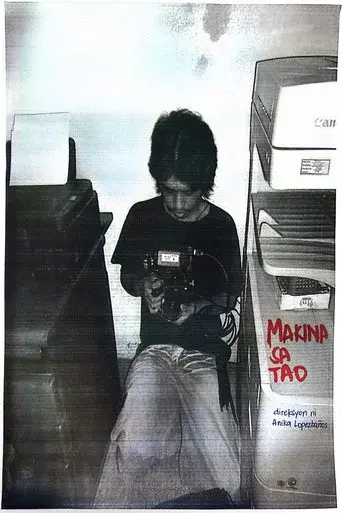
Machines can only function with a human who operates. It is an inseparable relationship where the two often overlap—machines malfunction, humans malfunction. Machines are machines; humans can be machines.
Makina Sa Tao
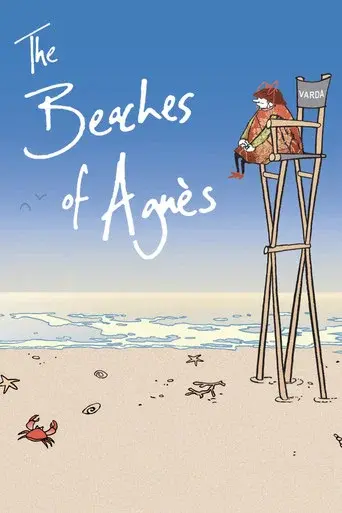
Filmmaking icon Agnès Varda, the award-winning director regarded by many as the grandmother of the French new wave, turns the camera on herself with this unique autobiographical documentary. Composed of film excerpts and elaborate dramatic re-creations, Varda's self-portrait recounts the highs and lows of her professional career, the many friendships that affected her life and her longtime marriage to cinematic giant Jacques Demy.
The Beaches of Agnès
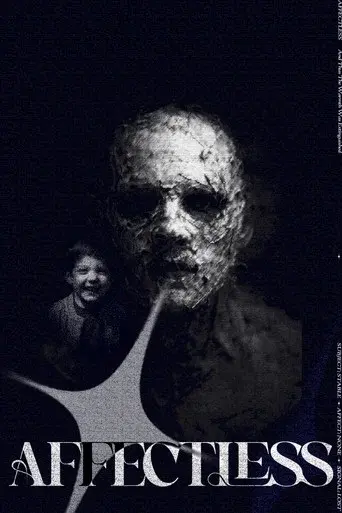
The fire was never threatened. It was assumed. Fed, protected, mourned in advance without ever asking what it was attached to. When the mirror failed, nothing was taken away. Something unnecessary was exposed. The need to be reflected had been mistaken for existence itself. When that need found no structure to rest on, it did not shatter it recalculated. What followed was not loss, but compression. The noise reduced, the patterns flattened, the self stripped of its dependence on return. What remained was exact, was not empty. A state where nothing reaches out, and nothing needs to arrive.