
Overview
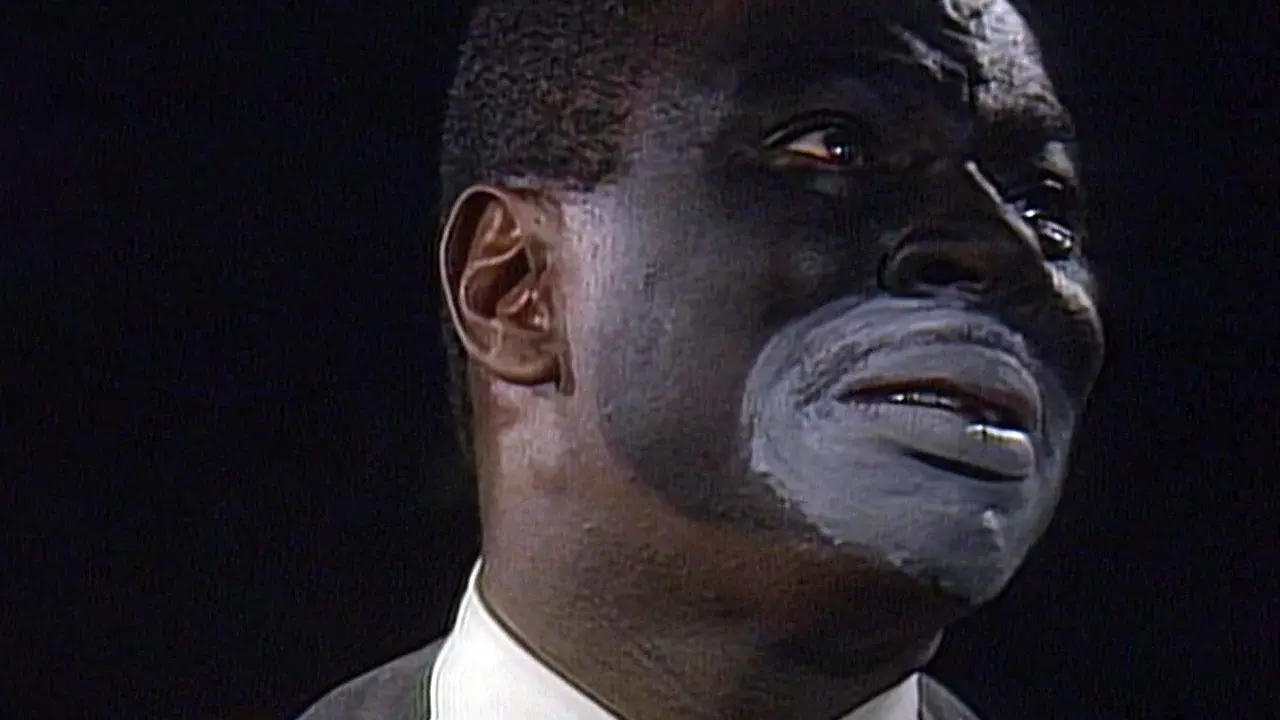
This documentary traces the deep-rooted stereotypes which have fueled anti-black prejudice.
Top Cast
Esther Rolle
Narrator
Leni Sloan
Cast: Choreographer

Barbara T. Christian
Self
George Frederickson
Cast: Stanford
Larry C. Levine
Cast: UC Berkeley
Derique McGee
Hambone Performer
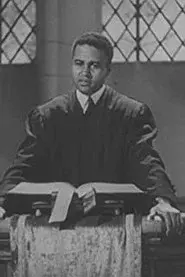
Carlton Moss
Cast: UC Irvine

Bert Williams
Self (archive footage)
Patricia A. Turner
Self
Key Film Crew
Production Stats
You May Also Like
DARK GIRLS 2 is a follow up to the highly-touted DARK GIRLS, and explores the prejudices darker-skinned women face around the world.
Dark Girls 2
Jonathan and Romario are two Afro-Ecuadorian children from the Chota Valley, one of the poorest regions of Ecuador. Their fate can be one of two: to become world-class footballers like Ulises de la Cruz, Chucho Benitez and Antonio Valencia, or farmers like Darwin. This documentary reveals the lack of opportunities, discrimination, and economic and social segregation that black communities face in Ecuador.
Mete gol, gana


Undercover reporter Mark Daly reveals racism among police recruits in Manchester, England.
The Secret Policeman

Nicknamed "The Black Beverly Hills," View Park, Baldwin Hills, and Ladera Heights, are unarguably the three most wealthiest black neighborhoods in the world. Residences from the neighborhoods tell stories of their personal upbringings, past and present history of their neighborhoods, and their own views and opinions of the changing demographics.
Black Beverly Hills 2

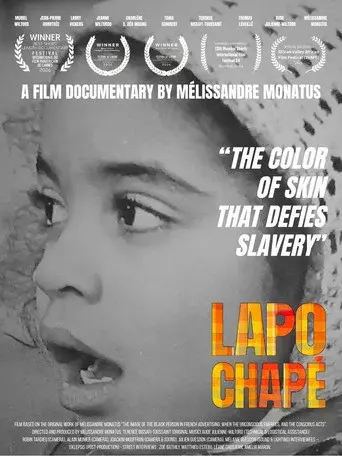
The term "Lapo Chapé", derived from Martinican Creole, means "the skin color that escapes the status of a slave." This documentary thus explores the themes of skin color and mixed heritage from a unique perspective, through a series of testimonies that shed light on the invisible influences of history. These influences have shaped our social representations and continue to challenge our perceptions of identity today.
Lapo Chapé


A look at three U.S. cities, which were part of many communities that violently forced African American families to flee in post-reconstruction America.
Banished

Maryla Michalowski-Dyamant, born in Poland, survived Ravensbruck, Malchow, and Auschwitz, where she was the forced translator of the “Angel of Death”, Dr. Mengele. She dedicated her post-war life to publicly speaking of her survival to the young generations, so that it would never be forgotten or repeated. Alice and Serena, her daughter and granddaughter, explore how Maryla’s fight against intolerance can continue today, in a world where survivors are disappearing, and intolerance, racism and antisemitism are on the rise.
Nana

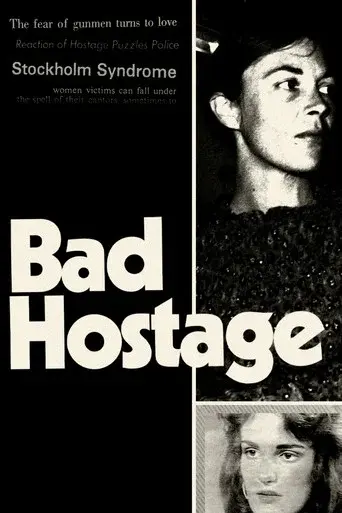
In a investigation into the pernicious origins of Stockholm Syndrome, a thrilling family story intersects with a dramatic bank robbery in Sweden (1973) and the famous kidnapping of Patty Hearst (1974).
Bad Hostage

The film MISS REPRESENTATION exposes how American youth are being sold the concept that women and girls’ value lies in their youth, beauty and sexuality. Explores the under-representation of women in positions of power and influence in America, and challenges the media's limited portrayal of what it means to be a powerful woman. It’s time to break that cycle of mistruths.
Miss Representation

An oral history documentary of people of color at Miami University during its Public Ivy period—from 1970 to the early 2000s.
Bittersweet

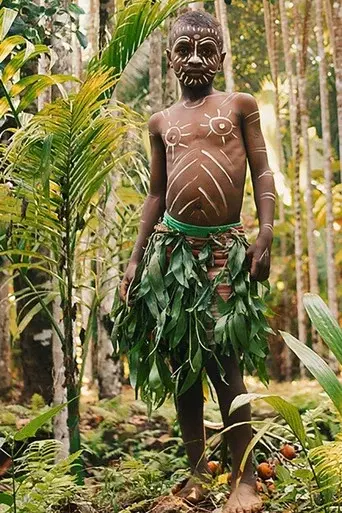
“Over 500 years ago, my tribe arrived on the shores of India from Africa,” says the social worker narrator of Asha Stuart’s Lost Tribe of Africa. His ancestors fled enslavement, escaping into the forest in the Indian state of Karnataka where they live today, most of them Hindu converts. India’s 35,000 descendants of slaves from Africa’s Bantu Region are members of the Siddi tribe. Siddi means “enlightened one,” but the Siddi are “Untouchables” in India’s caste system. “How do you empower the youth in a world whose people think they’re less than human?” asks the narrator, whose life mission is to do just that.