Anti-Blackness in Arab Media
Overview
A short documentary covering the racism towards black people in Arab societies. Covering race, blackface, colourism and censorship. Featuring Ismail Kushkush, a Sudanese-American journalist and Mariam, an Egyptian-American online blogger.
Top Cast

Ismail Kushkush
Self
Mariam
Self
Key Film Crew
Production Stats
You May Also Like


An exploration —manipulated and staged— of life in Las Hurdes, in the province of Cáceres, in Extremadura, Spain, as it was in 1932. Insalubrity, misery and lack of opportunities provoke the emigration of young people and the solitude of those who remain in the desolation of one of the poorest and least developed Spanish regions at that time.
Land Without Bread

In 1937, tens of thousands of Haitians and Dominicans of Haitian descent were exterminated by the Dominican army, on the basis of anti-black racism. Fast-forward to 2013, the Dominican Republic's Supreme Court stripped the citizenship of anyone with Haitian parents, retroactive to 1929, rendering more than 200,000 people stateless. Elena, the young protagonist of the film, and her family stand to lose their legal residency in the Dominican Republic if they don't manage to get their documents in time. Negotiating a mountain of opaque bureaucratic processes and a racist, hostile society around, Elena becomes the face of the struggle to remain in a country built on the labor of her father and forefathers.
Elena
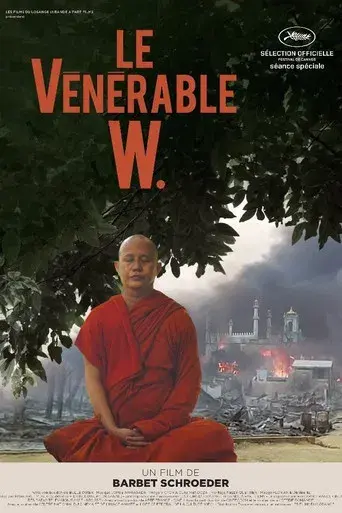
A view of the religious tensions between Muslims and Buddhist through the portrait of the Buddhist monk Ashin Wirathu, leader of anti-Muslim movement in Myanmar.
The Venerable W.
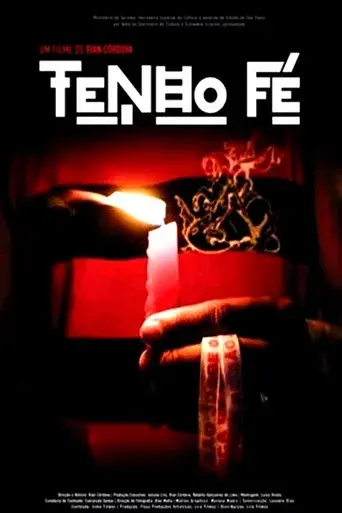
This documentary accompanies the journey of artists who exalt and celebrate ancestry and the orishas in their work. It also offers a manifesto against one of the biggest problems facing Brazil: religious racism. The feature brings together stories from music, theater, fashion, dance and the visual arts to promote reflection on the power and importance of black representation, art and diversity
Tenho Fé

February 1980, young Abdelkader Lareiche was shot in the head by a building guard in a housing estate in Vitry. In a context marked by several racist crimes and a policy of security repression, his friends are mobilizing around the “Rock Against Police” movement. Forty years after the events, Philomène sets out to meet the activists and actors of this movement. “Memory is not commemoration, it is the living part of History” confides Mounsi about the massacre of October 17, 1961. This is the heart of Nabil Djedouani’s project, to restore a moment in a living way. of the militant history of the suburbs, registered here in the Rock Against Police movement, but which cannot be restricted to it. A thread stretched from the 1980s to today, which continues to “analyze the collective and murderous unconscious of the French State” and the ways of resisting and revolting.
Rock Against Police
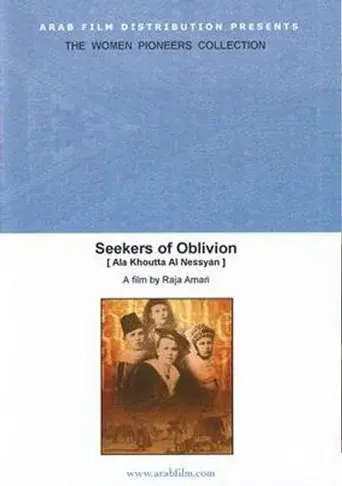
Seekers of Oblivion explores the exciting life and adventures of Isabelle Eberhardt. Born in Geneva, Switzerland in 1877, Isabelle left Europe for North Africa at a young age. While there, she consorted with tramps, prostitutes, soldiers, murderers and thieves, at times masquerading as a man in orde.
Seekers of Oblivion
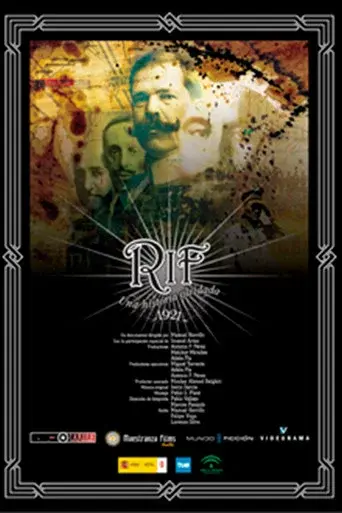

On June 14, 1977, the eve of the first democratic elections after Franco's regime, Llorenç Soler and his crew go out into the street and ask passers-by which party they are going to vote for.
¡Votad, votad, malditos!

'Do you feel cheaper?' We are filming young Lithuanian men working in Sweden. They do not want to be caught on camera, they do not want to participate in creating yet another media image of guilt and pity. They film us. We empty a bottle of moonshine, we dance on their porch. They might let us film them tomorrow. Second Class is a time document about class, respect, the value of work and human being.
Second Class
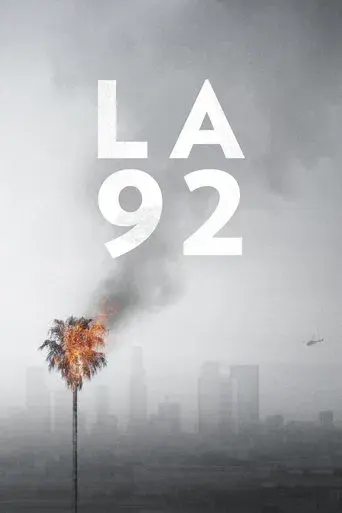
Twenty-five years after the verdict in the Rodney King trial sparked several days of protests, violence and looting in Los Angeles, LA 92 immerses viewers in that tumultuous period through stunning and rarely seen archival footage.