

Overview
They came to Donbass from different countries in search of truth. And they stayed on for the sake of those whose voices were not heard. Dialogues about war and duty, a long search for meaning amidst the ruins, working with tragic footage. This is a film about those for whom Donbass has become a refuge of truth.
Top Cast

Vittorio-Nicola Rangeloni
self
Graham Phillips
self
Christelle Néant
self
Hassan Nassr
self
Miodrag Zarkovic
self
Daniel Martindale
self
Andrea Lucidi
self
Vincenzo Lorusso
self
Key Film Crew
Production Stats
You May Also Like
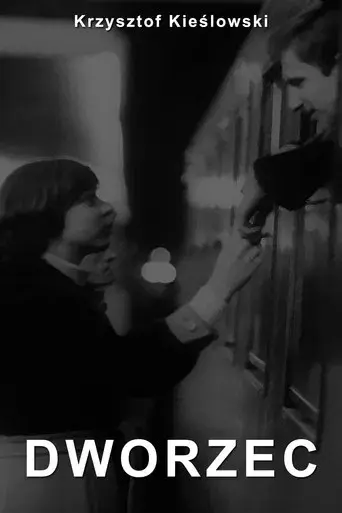
Warsaw's Central Railway Station. 'Someone has fallen asleep, someone's waiting for somebody else. Maybe they'll come, maybe they won't. The film is about people looking for something.
Railway Station
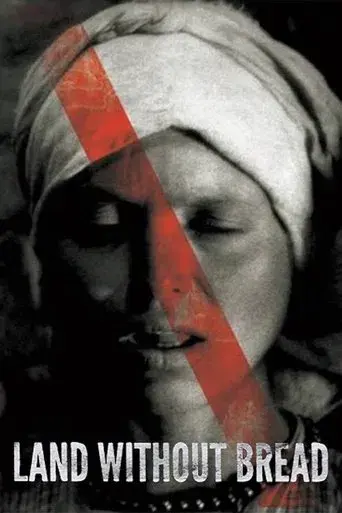
An exploration —manipulated and staged— of life in Las Hurdes, in the province of Cáceres, in Extremadura, Spain, as it was in 1932. Insalubrity, misery and lack of opportunities provoke the emigration of young people and the solitude of those who remain in the desolation of one of the poorest and least developed Spanish regions at that time.
Land Without Bread

A Nazi propaganda film about the lead up to World War II and Germany's success on the Western Front. Utilizes newsreel footage of battles and fell into disfavour with propaganda minister Goebbels because of it's lack of emphasis on Adolf Hitler.
Victory in the West

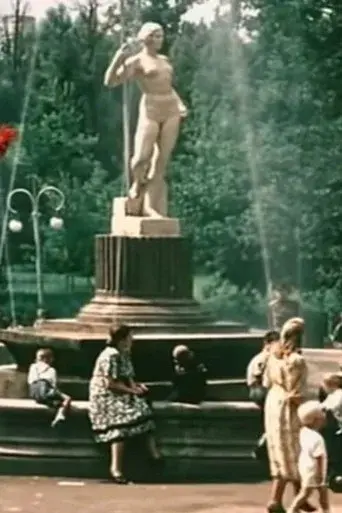
A propaganda documentary on the post war reconstruction of Miensk, capital of Belarus.
New Miensk
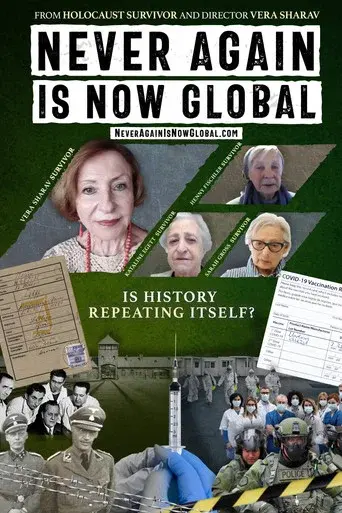
Ruslana Abrosimova, 17 years old, lives in Mariinka, Donetsk region. Now Ruslana is in an unconditional state of war and is struggling every day with her desire to go out on the street or to stay at home, safe, in her room. War in Ukraine rages for more than five years already. Still, teens never cease to think about studying, discovering new cities and their bright future. Conflict occurs at every step as soon as the children open their room doors. That`s why Ruslana decided to take her camera and start to film her reality.
The View From The Window
For four seasons, lone wolf Eddy van Wessel travels along the Ukrainian front lines. Now that the Netherlands' most awarded war photographer is in the twilight of his successful career, he wants to take the ultimate photo one more time, the image that summarizes the entire conflict and that makes all the struggles, traumas and setbacks he has endured worthwhile.
Eddy's War


Torture in Russian captivity is systematic. In a new documentary, The Kyiv Independent’s War Crimes Investigations Unit uncovers the torture of Ukrainian civilians held by Russian forces and traces the roots of these practices through Russian history. The documentary features civilians from different regions and backgrounds who were detained in occupied Ukrainian territories and in Russia itself. Despite being held at different times and in different locations, their testimonies describe strikingly similar patterns of abuse. By combining firsthand accounts with historical research, the investigation shows how torture has persisted across generations and continues to shape Russia’s war against Ukraine.
Torture Culture


A documentary about the horrific and destructive war that is currently taking place in Ukraine. The film tells the true stories of Ukrainians who have been forced to flee their homes, lose loved ones, and live in fear for their lives. It is a story about the courage, strength of will, and resilience of the Ukrainian people.
To the Zero Line
Propagandistic documentary aiming to demonstrate how vigorous and prosperous the provinces of Tacna and Arica were at that time, despite being in dispute, but under predominantly Chilean influence, investment, and administration.
Tacna y Arica
Leading biblical scholars and religious experts discuss the implications of the Rapture, when prophecies predict that Jesus Christ will return to Earth and his true believers will be transported to meet him.
Left Behind
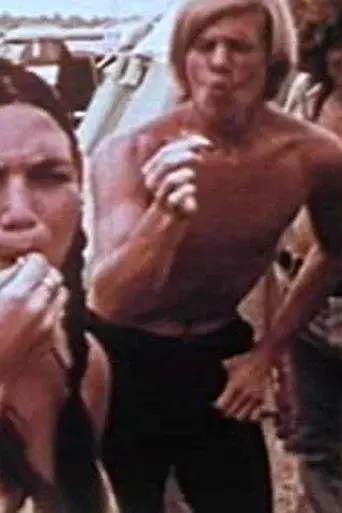
Contrasting radical mobs, anarchy, and 1960s counterculture with footage of American manufacturing and innovation, this film celebrates the concept of American exceptionalism and argues that anti-Vietnam War protesters were influenced by communism, atheism, and immorality. Set mostly in a university library, this political debate between a medical student, his 1770s ancestor, and a history professor is a sequel to the 1972 National Education Program film, Brink of Disaster! Two additional characters appear in this drama: a 19th-century steamboat captain, and the student’s grandfather - an early 20th-century automobile worker. The National Education Program at Harding College in Searcy, Arkansas created a variety of widely-distributed anti-communism films from the mid-1940s to the early 1970s.
Tragedy or Hope

A student is held up in the library while a riot rages outside. As SDS protesters head to burn the library down, he has to fend them off with his baseball bat. This film opens with actual footage of civil disturbances in the 1960s, and moves on to images of historical American figures.
Brink of Disaster!
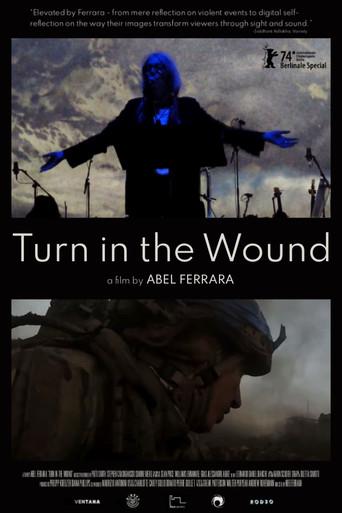
Abel Ferrara explores human conflict and the search for peace and balance through the music and words of Patti Smith and the experiences of people at war in Ukraine.
Turn in the Wound

At the beginning of the 70s, Sahia Studio produced a number of social investigations commissioned by the Central Committee of the Romanian Communist Party, intended to expose the so-called "social parasitism". The decision was taken after the theses of July 1971, which provide that "one of the main objectives of political work, especially among the youth, is the firm fight against the tendencies of parasitism, of an easy life, without work, the cultivation of responsibility and the duty to work , in the service of the country, the people, the socialist society". The most famous films, made with the competition of the Ministry of the Interior and the Ministry of Justice, are Să treacă vara and Iarna unor pierde vară
