Overview
Camille Decourtye and Blaï Mateu Trias are heads of Baro d’evel, a celebrated French performing arts company. When the Festival d’Avignon commissions a new piece from them, they feel the need to find a renewed sense to their existence as artists, partners and parents
Top Cast

Camille Decourtye
Blaï Mateu Trias
Key Film Crew
Production Stats
You May Also Like

Documentary without audio produced by deaf people. Music is depicted visually with the complete absence of musical instruments or voices. Directed by Makihara Eri and choreographer Dakei. With a diverse lineup including ordinary deaf people with zero acting experience and a choreographer who performs in Japan and abroad, this film pulls out all the tops to give visual expression to music through the physical body. An aging man uses multiple sign language poems to convey the four seasons, and a girl expresses the wind amidst the rustling trees.
Listen


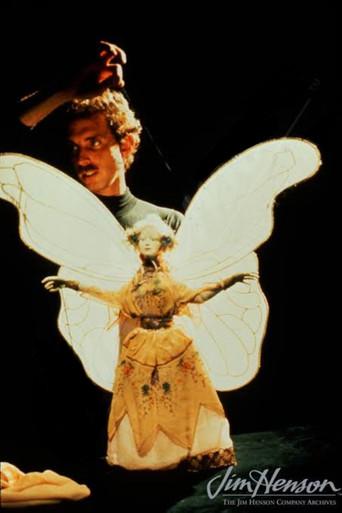
A couple of artists travels through the Mexico desert to present their puppet show.
The Desert Wagon

When facing a path with no future or precedent success, will we ever choose to stay? Cheuk Cheung’s My Way explores the Cantonese Opera tradition of male Dan performers, men who play female roles, against the backdrop of a Hong Kong society increasingly putting less value on art. Although female performers have long been part of the mainstream of Cantonese Opera, the film follows the stories of two young men who are still fascinated by the art of the male Dan, striving to find their own way to carry on the practice. A moving and searching look at the struggle for identity, My Way is a colourful, musical and moving film which offers a unique and highly personal look at perseverance in the face of a changing society.
My Way
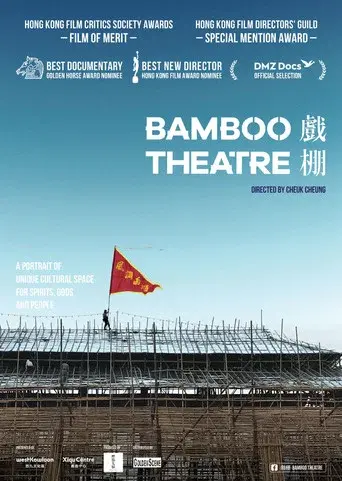
This film is a portrait of unique cultural space for Spirits, Gods and People. While permanent theatres are commonly built in most cosmopolitan modern cities, Hong Kong preserves a unique theatrical architecture, a Chinese tradition that has lasted more than a century - Bamboo Theatre.
Bamboo Theatre

Shifting his lens from Cantonese opera to Japanese Noh drama, documentary filmmaker Cheuk Cheung continues his exploration of complex gender issues ingrained in traditional theatres. For seven centuries, only the male body has been granted the privilege to inhabit this highly stylised art form that embraces spirituality in subtle movements. The film traces the journey of third-generation Noh performer Uzawa Hikaru, a young woman who makes her presence in the male-dominated space; yet behind the mask lies a daughter yearning to seek a resolution beyond her mother’s path – a quest to fuse body and soul in pursuit of the profoundly mysterious aesthetic.
The Path of Soul

In Japanese theater, women's roles are traditionally played by men. The man playing the woman's role, the Onnagata, does not imitate the woman, as in the West, but tries to capture her significance. He need not stick close to his model, but draws far more from his own identity - a shift of value takes place, which is nonetheless not a step beyond. THE WRITTEN FACE is an attempt to offer an insight into the Japanese Kabuki star Tamasaburo Bando, one of the last defenders of this ancient and disappearing performing tradition.
The Written Face

In this dance film, choreographer Krisztina de Châtel returns to Hungary, her country of birth, together with her dancers and memories. In Budapest, bridges, squares, streets, and courtyards bring the hectic energy of the city to life. The dancers resist the pace of the metropolis with powerful, physical movements. In search of peace, the group moves to the countryside, where they are confronted with another, equally compelling force: the earth itself. The journey culminates in stomping, earthy movements in which control, resistance, and endurance are central. Stalen Neuzen is the result of an intensive collaboration between choreographer Krisztina de Châtel, director Erik van Zuylen, and designer Conrad van de Ven. The film shows De Châtel's work in a distinctly cinematic context and forms a poignant portrait in which the will to control and physical discipline becomes visible and tangible.
Stalen Neuzen


Miloš Šejn: lying down, awake. And above all, creating. This documentary essay follows an artist whose work is “born of wonder” and who effortlessly navigates his longed-for path out of the city. Instead of an endless stream of sensory input, the film offers a space for concentration and mindfulness—a space that may well extend beyond the seventy minutes spent in the cinema
Because I Have To

The 100-year history of the Strand Theatre in Rockland, Maine, from its creation on the site of a devastating fire in 1920 through its evolution into the community-supported non-profit institution it is today.
Rockland's Strand


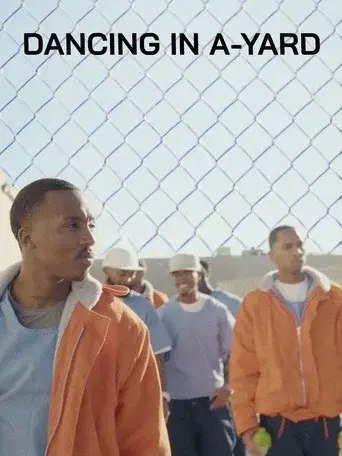
In prisons ruled by toxic masculinity, dancing is an absolute taboo. But at Lancaster’s A-Yard, near Los Angeles, a group of young men, willing to take a chance to be mocked in the yard, start a dance class led by French choreographer Dimitri Chamblas. This class quickly becomes an intoxicating escape from their grim reality so they decide to create a dance show. In this exceptional context, the inmates engage with overwhelming sincerity, evoking their childhood, ganglife, the crimes, the prison, and their desire for transformation. Beyond damaged lives and a prison system on the edge of the abyss, DANCING IN A-YARD explores redemption and the capacity of human beings to reinvent themselves, when given a chance. And more importantly, how art and introspection can help see the light.
Dancing in A-Yard

Experimental research and dissemination documentary about current contemporary art that compiles the opinions, experiences and anecdotes of artists, gallery owners, curators, museum directors and experts.
Art From Art


A documentary that journeys through the history of Trick Roping as it evolves from Mexico to the dazzling arenas of American Rodeos. This film unveils a story of resilience, entertainment, and the enduring legacy of a western art.
The Roping Fools

'On the Fringe' is a captivating documentary that takes viewers on a journey through Canada’s most vibrant and eclectic arts festival circuit. Chronicling the experiences of four groups of artists as they travel from coast to coast, the film provides a rare and compelling insight into the world of Fringe theatre, and the artists who rely on these festivals to make their dreams come true.