

Rockland's Strand
Overview
The 100-year history of the Strand Theatre in Rockland, Maine, from its creation on the site of a devastating fire in 1920 through its evolution into the community-supported non-profit institution it is today.
Key Film Crew
Production Stats
You May Also Like

Camille Decourtye and Blaï Mateu Trias are heads of Baro d’evel, a celebrated French performing arts company. When the Festival d’Avignon commissions a new piece from them, they feel the need to find a renewed sense to their existence as artists, partners and parents
Who We Are

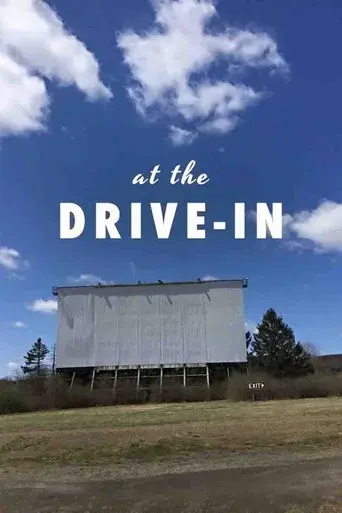
Unable to purchase a $50,000 digital projector, a group of film fanatics in rural Pennsylvania fight to keep a dying drive-in theater alive by screening only vintage 35mm film prints and working entirely for free.
At the Drive-In


Documentary without audio produced by deaf people. Music is depicted visually with the complete absence of musical instruments or voices. Directed by Makihara Eri and choreographer Dakei. With a diverse lineup including ordinary deaf people with zero acting experience and a choreographer who performs in Japan and abroad, this film pulls out all the tops to give visual expression to music through the physical body. An aging man uses multiple sign language poems to convey the four seasons, and a girl expresses the wind amidst the rustling trees.
Listen
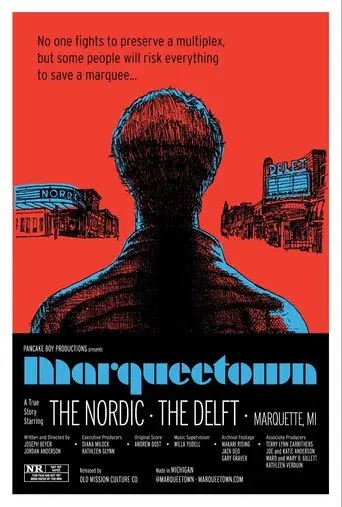
Through booms and busts, Delft Theatres and its innovative gem The Nordic endured in Marquette, Michigan for almost 100 years. Bernie Rosendahl’s crusade to restore the historic arthouse to its former glory reveals a hidden cinema empire in the Upper Peninsula.
Marqueetown

A look at why Hamlet, a play that’s over 400 years old, holds a mirror up to society today. Filmed across four days of workshops with youth theatre groups across London: The Big House, Bush Theatre Young Companies, Centre 59, and Open Door.
The Name of Action

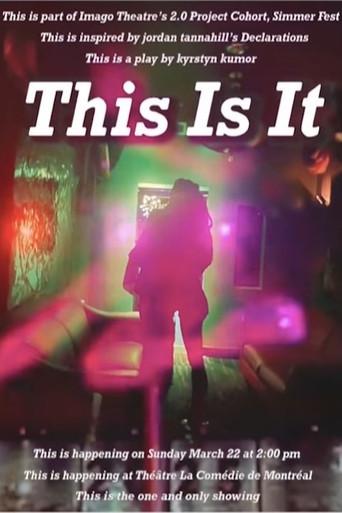
This Is It is an exploration in finding truth within labour, creativity, and mortality. Written entirely on the job, Kyrstyn Kumor thrusts herself into the endless attempt at finding the answers. This Is It is a play inspired by Jordan Tannahill’s Declarations.
This Is It

Shifting his lens from Cantonese opera to Japanese Noh drama, documentary filmmaker Cheuk Cheung continues his exploration of complex gender issues ingrained in traditional theatres. For seven centuries, only the male body has been granted the privilege to inhabit this highly stylised art form that embraces spirituality in subtle movements. The film traces the journey of third-generation Noh performer Uzawa Hikaru, a young woman who makes her presence in the male-dominated space; yet behind the mask lies a daughter yearning to seek a resolution beyond her mother’s path – a quest to fuse body and soul in pursuit of the profoundly mysterious aesthetic.
The Path of Soul
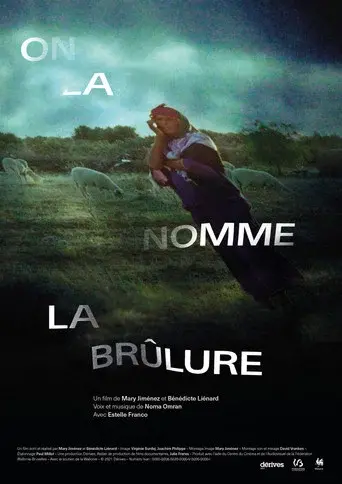
One night, nine children from the same Tunisian village attempt the deadly crossing. Like a poem or a prayer, this film welcomes the words of bereaved mothers and gives dignity to their grief.
Call it the burning

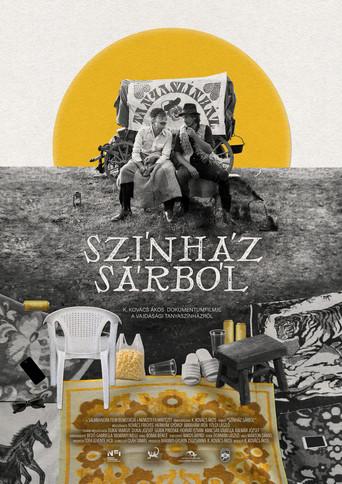
On the 45th anniversary of the Grange Theatre in Vojvodina, its two legendary founders - director György Hernyák and actor Frigyes Kovács - have reunited. It was a unique occasion seeing these two masters create art under the open sky once again. Through this rehearsal process, the documentary draws a vivid portrait of the Grange Theatre’s past and present, the community built around it, and the unique energy that binds Vojvodina Hungarian identity with the troupe’s history. The film is not merely a retrospective; it reveals how liberating and life-affirming theater-making can be, and how the joy of free creation remains indispensable today.
Theatre from Mud
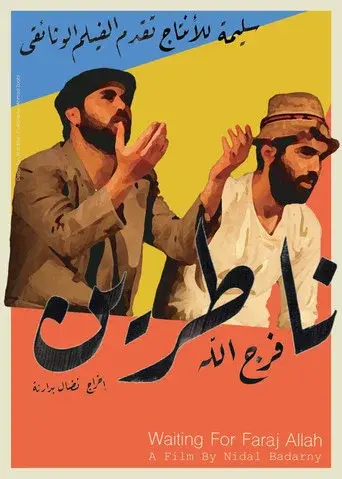
We are taken behind the scenes of a play in-the-making: The play is Samuel Beckett’s WAITING FOR GODOT—starring a group of young 48-Palestinians. One by one, we are introduced to a variety of characters: the play’s director, actors, and other ordinary people. As we delve further into each of their lives, the film reveals the startling parallels between the themes of the play and their own. Everyone is waiting for something: a permit to build a house, better work conditions, a starring role in a film. Much like Waiting for Godot, our heroes are awaiting Faraj Allah… something that may or may not come.