

MEMORY-LIKE: An Oral History of QueerFest
Original Title: “BELLEKVARİ: Kuirfest'in Sözlü Tarihi”
“Not only a film festival, but also a space for resistance”
Overview
The documentary focuses on the story of QueerFest, the first and only LGBTI+ film festival in Turkey, which has been organized in Ankara since 2011. Through interviews with the founders of QueerFest, volunteers and staff who have contributed to the festival, the 14-year journey of the festival and the culture and arts landscape shaped by Turkey's political climate are told. QueerFest's self-organizational connection with the Pink Life Association, its connection with the “lubunya” (queer community) of Ankara and the cultural capital it inherited from there, is transformed into a powerful political voice by developing the practice of mobilizing through art. Since 2017, the festival has continued its resistance against the bans and heavy censorship obstacles every year and opens a space for many queer people living in Turkey who are interested in the field of culture and art and want to produce in this sphere.
Top Cast

Bilge Taş
Müge Atala
Koray Özbal
Key Film Crew
Production Stats
You May Also Like

A documentary that chronicles the twenty years of Pride parading in Iceland. Filmmaker Hrafnhildur Gunnarsdóttir has shot the parade from the beginning, with all its pride and power, beauty and sometimes ugliness. She mixes old material and new interviews with activists who reminisce about their participation in the parade, it’s impact on society in general, and what Pride means for the LGBTQ+ community.
The Glitterstorm
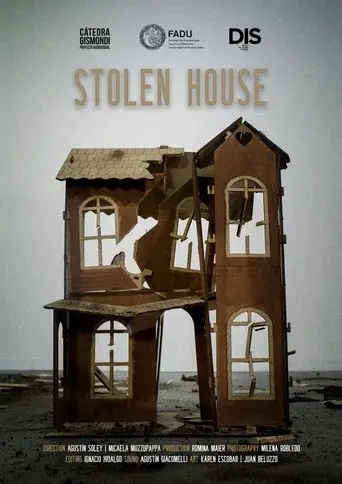
"Stolen House" is a documentary short film that follows the migration story of Mark, a Russian photographer, and Katya, a Ukrainian artist, to Argentina. Through narrations, staged scenes, and archival material, fragments of their lives, feelings, and motivations are explored.
Stolen House
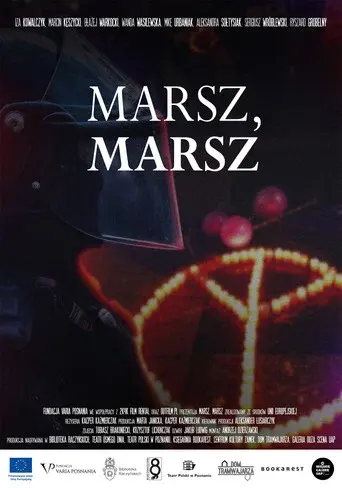
A Polish documentary that explores the early history of Pride marches in Poznań and the struggle for LGBTQ+ equality in Poland. It focuses on the contrast between the city’s 2020s identity as a so-called “Rainbow Capital of Poland” and its much harsher past when marches were rare and fraught with conflict. The film reflects on a first Pride march marked by a small group of around 200 people attempting to advance under heavy police presence, unable to walk more than 100 meters and facing aggressive suppression.
Marsz, marsz
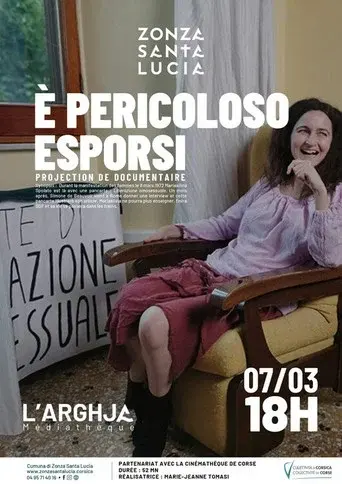
During the women's demonstration on March 8, 1972, Mariasilvia SPOLATO was there with a placard: Liberazione omosessuale. A month later, Simone de Beauvoir came to Rome to give an interview, and this placard illustrated her article. Mariasilvia could no longer teach, ended up homeless and spent her life on the trains.
È pericoloso esporsi

At a time when the far right is ascending to power around the world, the 2020 Brazilian municipal elections saw a surprising and unprecedented record of LGBT candidates. This film follows four young queer politicians during their electoral campaigns and reveals their struggle to affirm their rights to exist and be heard.
Political Bodies

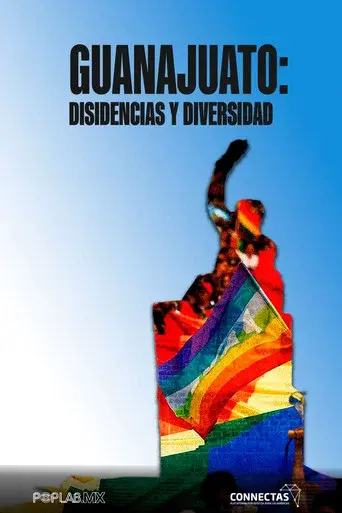

Letter Beyond the Walls reconstructs the trajectory of HIV and AIDS with a focus on Brazil, through interviews with doctors, activists, patients and other actors, in addition to extensive archival material. From the initial panic to awareness campaigns, passing through the stigma imposed on people living with HIV, the documentary shows how society faced this epidemic in its deadliest phase over more than two decades. With this historical approach as its base, the film looks at the way HIV is viewed in today's society, revealing a picture of persistent misinformation and prejudice, which especially affects Brazil’s most historically vulnerable populations.
Letter Beyond the Walls

Adrianna, a young DJ artist and activist in the queer community, has learned to evolve in a world that is sometimes too stifling for her. By creating her own family and learning trades in which she can use all her creativity, Adrianna is spreading her wings.
MUTANT DOLL

In 1970, during the annual Dutch national commemoration of those fallen in World War II, two men try to make a statement against gay discrimination. In the moments before and after the incident, their doubt, fear and firm belief becomes clear.
AYOR
Throughout the 1960's, gay bars served as havens for a marginalized queer community across the country. Frequent police raids and laws dictating women to wear three pieces of 'gender appropriate clothing' resulted in countless cases of police harassment, assault, and brutality. Sanctuary follows Meg and Abigail as they navigate their interaction and coping process after one such raid.
Sanctuary

Packed with drama, high emotions and cliff-hanger moments, Australia Says Yes is the intimate and personal history of struggle and perseverance that propelled Australia to say Yes to marriage equality. The film shows how a group of determined individuals fought tirelessly against unjust laws that treated LGBTIQ people as second-class citizens, creating a movement that saw them go from criminals to legally equal over the course of five decades.
Australia Says Yes


In 2008 French filmmaker Julie Gali traveled to the US to film the election of Barack Obama. In spite of this victory for civil rights, it soon became apparent that the rights of another minority were under threat. In California the passing of Proposition 8 marked the only time in U.S. history that a civil right was actually taken away after it had been granted. Upon seeing this, Ms. Gali decided to immerse herself in the growing grassroots struggle of the gay community, which culminated in the October 11, 2009 March for Equality in Washington DC.
Illegal Love
A parallel story of two generations of gay activism, 'Belonging' explores the impact and legacy of LGBTQI+ campaigner Rodney Croome through the lens of a road trip across the state by young Tasmanian Sam Watson. With archival footage and interviews with Sam and Rodney's families and friends, 'Belonging' examines Tasmania's journey from a place of exclusion to inclusion, from prejudice to acceptance, from hatred to embrace.